Sale
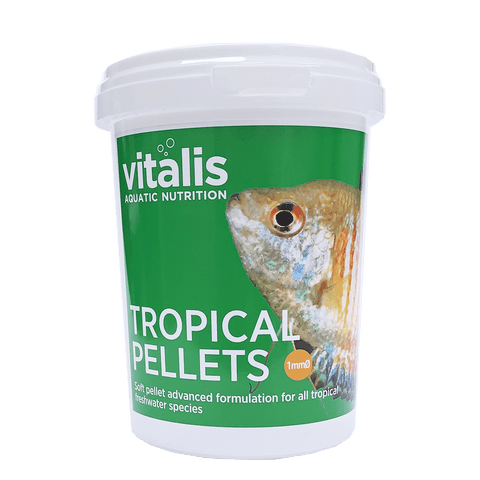
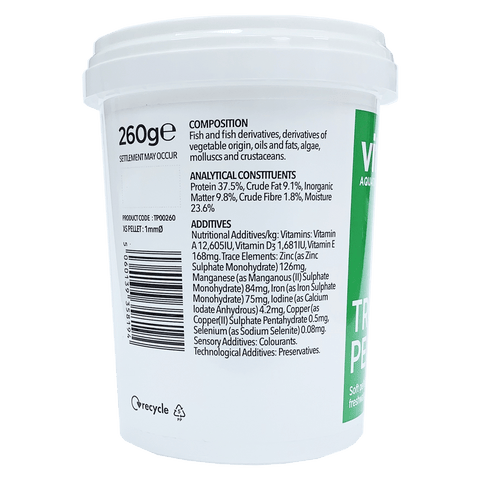
Vitalis Tropical Pellets
From $9.95
$13.95
Choose size

The aquarium almond leaf, also known as “Indian almond leaf” or “catappa leaf,” is a natural botanical used predominantly in freshwater tanks to replicate blackwater or soft‐acidic habitats. When submerged, it slowly releases tannins, humic acids, and flavonoids that mildly lower pH and soften water, creating conditions favourable for species like bettas, shrimp, tetras, dwarf cichlids, and discus. The leaf also offers natural antifungal and antibacterial properties, can help reduce stress, support healing of minor skin and fin damage, and provides hiding spots and a substrate for biofilm growth which is eaten by fry and microfauna. Over time the leaf decomposes: it colors the water a tea-shade, eventually breaks down, and should be replaced (often after 2-4 weeks depending on tank conditions).
Dispatched from our Melbourne facility, usually within 1-2 business days. Delivery time and cost are calculated at checkout based on your address.
We stand behind everything we sell. If something is not right, get in touch and we will make it right. See our returns policy for the details.
Choose size
Choose size
Choose size

Choose size