WYSIWYG
Marine
Gigantea Anemone (Skunk Clown Pair)
$600.00
Available - the exact piece pictured
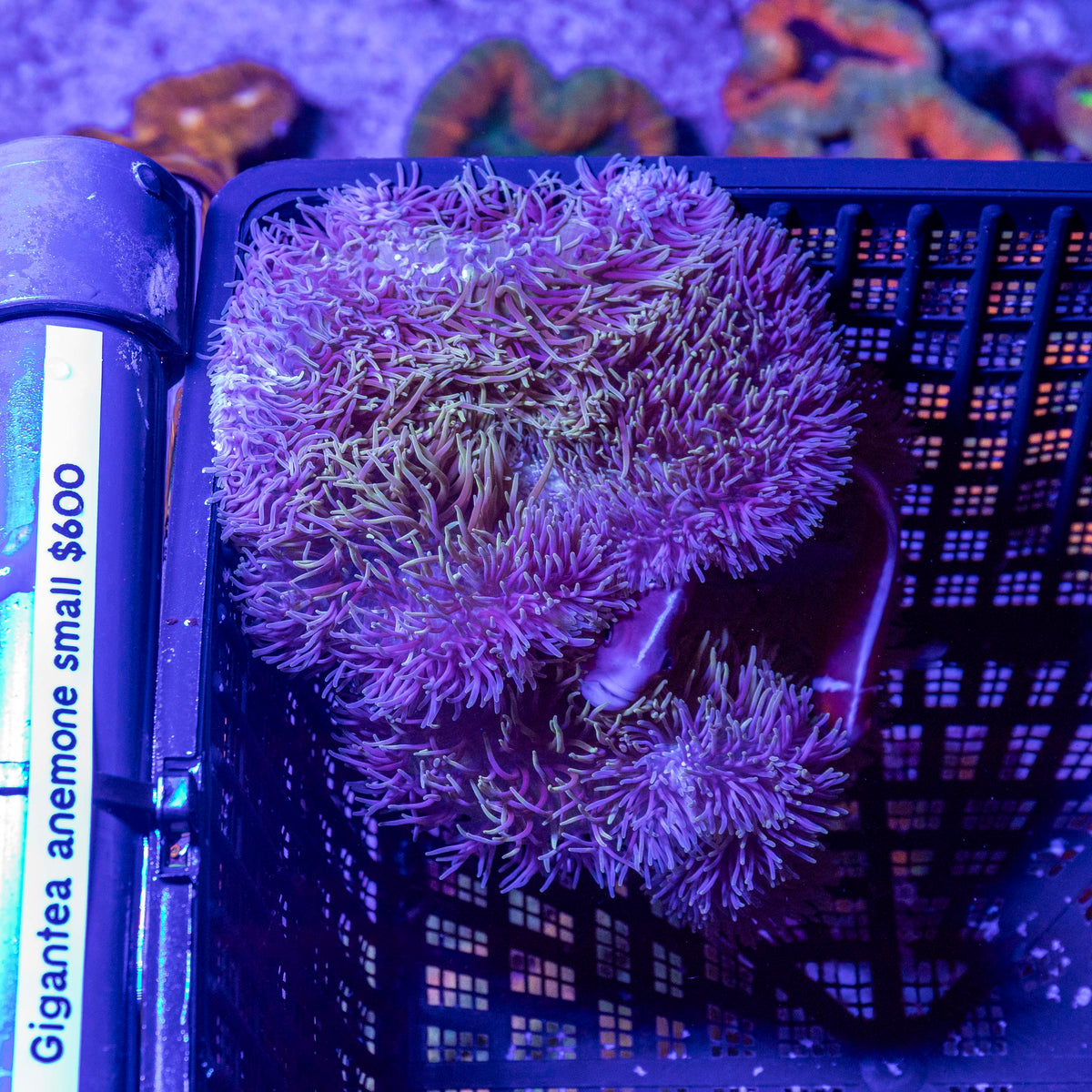
WYSIWYG - what you see is what you get. This is the exact individual colony you'll receive, photographed under our display lighting.
Free in-store pickup
Ready to collect at our Melbourne store
Dipped & pest-checked
Every coral is dipped and inspected pest-free before sale under our strict biosecurity monitoring - so it arrives healthy and ready to thrive. Our biosecurity →
- Arrive Alive guarantee
- Hand-selected in Melbourne
- Secure checkout
- Expert local advice
Description
Biosecurity Shipping Limitations apply
Shipping Allowed?
| Tasmania | YES |
| Western Australia | YES |
| Northern Territory | NO |
| All Other States | YES |
The Gigantea Anemone is one of the most spectacular host anemones available to reef keepers, prized for its flowing tentacles and ability to form a natural relationship with clownfish. This specimen is offered with a Skunk Clown Pair, making it an excellent choice for a mature reef aquarium.
When settled, Stichodactyla gigantea can develop an impressive oral disc and provide a stunning centrepiece while the clownfish pair actively hosts within it. Gigantea Anemones require strong lighting, excellent water quality and substantial, varied flow to thrive.
Because they can move around the aquarium while settling, provide plenty of open rockwork and keep pumps and overflows protected.
Quick Care Guide
- Scientific Name: Stichodactyla gigantea
- Difficulty: Advanced
- Lighting: High
- Flow: Strong, varied flow
- Placement: Rock or sandy-rock interface
- Temperature: 24–27°C
- Salinity: 1.024–1.026 SG
- Diet: Marine-based meaty foods, supplemented with quality nutrition
- Tank Maturity: Mature, stable reef aquarium
- Minimum Aquarium: 250L+ recommended
- Compatibility: Reef compatible, but may sting neighbouring corals
FAQ
Will the Skunk Clownfish host in the Gigantea Anemone?
Yes. Skunk Clownfish are natural anemone-associated clownfish and may readily establish a hosting relationship with Stichodactyla gigantea.
Is this an anemone for beginners?
No. Gigantea Anemones are best suited to experienced reef keepers because they require stable conditions, strong lighting and excellent water quality.
Can it move around my aquarium?
Yes. Anemones may relocate until they find a position with suitable light, flow and security.
Will it sting corals?
Yes. Like other host anemones, S. gigantea possesses powerful stinging cells and should be given adequate space from corals.
Common Mistakes
Introducing it to a new aquarium
Gigantea Anemones perform best in mature, biologically stable systems.
Insufficient lighting
Strong, appropriate reef lighting is essential for maintaining their health and coloration.
Unprotected pumps
A wandering anemone can be seriously injured by powerheads or overflow equipment. Always use suitable guards.
Moving the anemone manually
Avoid repeatedly repositioning it. Allow it to find its preferred location naturally.
Poor water quality
Large swings in salinity, temperature or other key parameters can quickly stress anemones.
Shipping & delivery
Livestock is dispatched with heat/cool packs and oxygen from our Melbourne facility, timed for the safest transit. Live arrivals may be scheduled for the best shipping window. A live arrival guarantee applies - contact us within the required window if anything is not right.
Returns
We stand behind everything we sell. If something is not right, get in touch and we will make it right. See our returns policy for the details.
Care & biosecurity
This coral has been dipped and inspected pest-free before sale. We still recommend dipping and inspecting new corals at home before they enter your display. Our team is happy to talk you through the right routine - just ask.
More from Anemones
View all →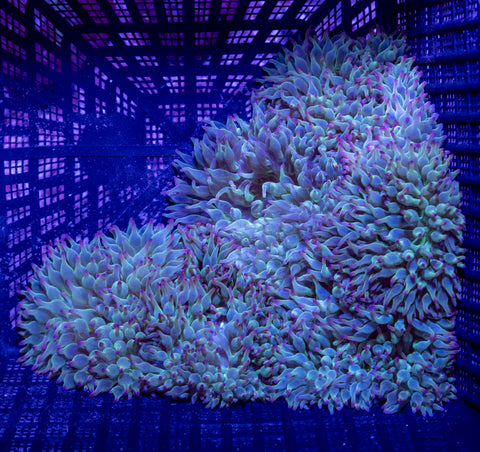
Green Bubble Tip Anemone
$50.00