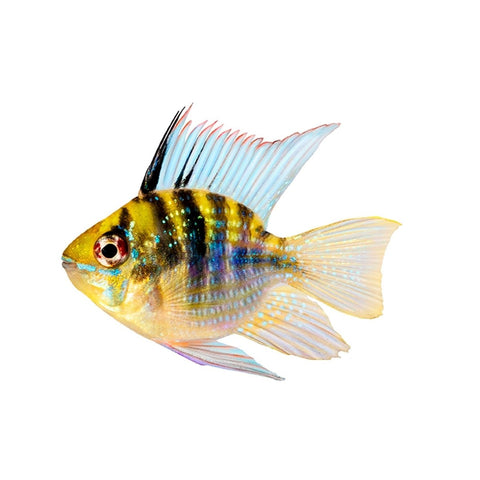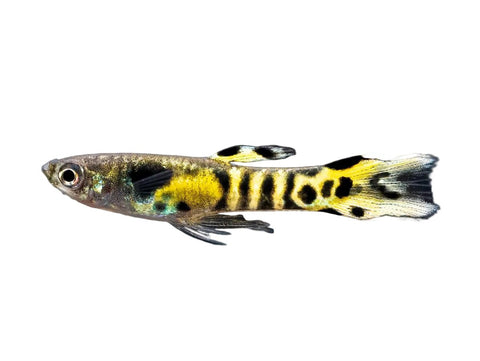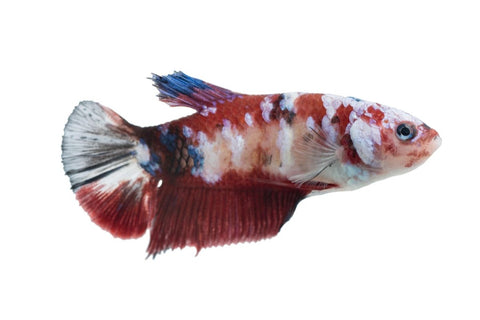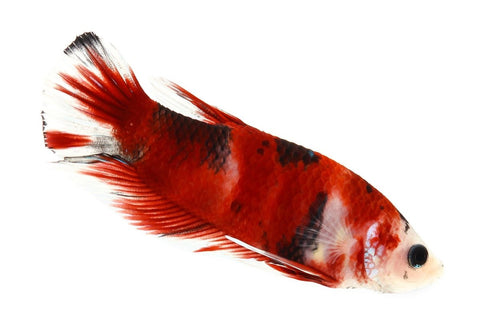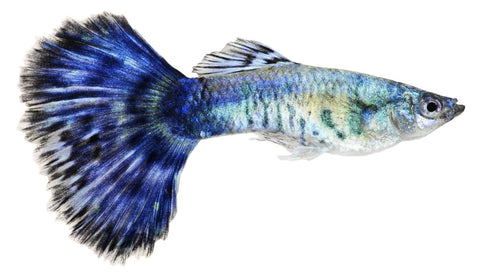
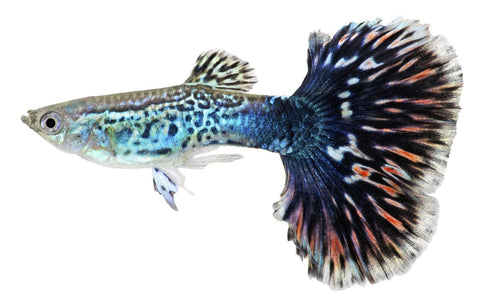
Assorted Guppy
From $7.00
Choose gender

Every fish passes through our dedicated quarantine system and strict biosecurity monitoring before sale - so it arrives healthy, settled and ready to thrive. How we quarantine →
| Tasmania | NO |
| Western Australia | NO |
| Northern Territory | NO |
| All Other States | YES |
The Clown Loach is one of the most popular freshwater loaches, recognised for its bright orange body, three bold black bands and distinctive red-orange fins. Its striking colouration and playful personality make it a favourite for larger community aquariums.
Clown Loaches are highly social schooling fish and should ideally be kept in groups. They are active, curious and often display entertaining behaviour as they explore the aquarium and interact with one another.
Although commonly sold as small juveniles, Clown Loaches can grow very large, so a spacious aquarium is essential for long-term care. They appreciate plenty of caves, driftwood, plants and other structures where they can shelter and explore.
They are omnivores and readily accept sinking pellets, wafers, frozen foods, bloodworms, brine shrimp and other meaty foods. They also enjoy vegetable-based foods.
Scientific Name: Chromobotia macracanthus
Common Name: Clown Loach / Clown Loach Fish
Family: Botiidae
Type: Freshwater Fish / Loach
Adult Size: Up to approximately 30 cm+
Temperament: Peaceful / Social
Care Level: Intermediate
Minimum Aquarium: 400 L+
Temperature: 25–30°C
pH: 6.0–7.5
Water Hardness: Soft to Moderately Hard
Diet: Omnivore
Tank Level: Bottom
Suitable For: Large community aquariums and planted freshwater systems
Yes. They are generally peaceful and make excellent community fish when kept with compatible tank mates.
Absolutely. They are highly social fish and should ideally be kept in a group of at least 5–6, with larger groups often displaying more natural behaviour.
Clown Loaches can eventually reach 30 cm or more, although growth is relatively slow. Their potential adult size should always be considered before purchasing juveniles.
They are omnivores and enjoy sinking pellets, algae wafers, bloodworms, brine shrimp, mysis shrimp and other frozen foods. They can also be offered suitable vegetables.
Yes. Caves, driftwood, rockwork and dense planting provide important shelter and allow them to display natural behaviour.
No. While juveniles are often sold at very small sizes, they eventually become large schooling fish and require a substantial aquarium.
Buying a juvenile without planning for its adult size
Clown Loaches can eventually exceed 30 cm.
Keeping only one or two fish
They are highly social and should be kept in a proper group.
Keeping them in a small aquarium
Their adult size and active nature require significant space.
Not providing hiding places
They naturally seek shelter in caves, wood and dense vegetation.
Using sharp substrate
A smooth, fine substrate is preferable for bottom-dwelling loaches.
Keeping them with aggressive fish
Their peaceful nature makes them vulnerable to bullying.
Livestock is dispatched with heat/cool packs and oxygen from our Melbourne facility, timed for the safest transit. Live arrivals may be scheduled for the best shipping window. A live arrival guarantee applies - contact us within the required window if anything is not right.
We stand behind everything we sell. If something is not right, get in touch and we will make it right. See our returns policy for the details.
This fish has been through our dedicated quarantine system and is feeding, settled and health-checked before sale. We still recommend acclimating slowly and quarantining new additions at home. Our team is happy to talk you through the right setup - just ask.
Choose gender