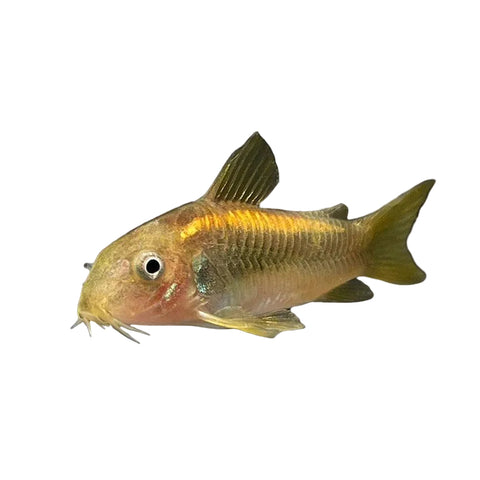
Sold out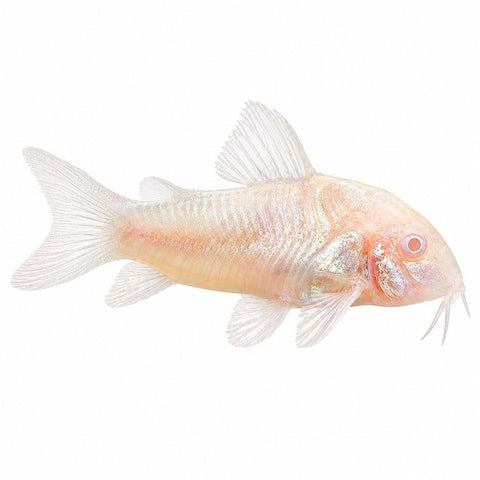
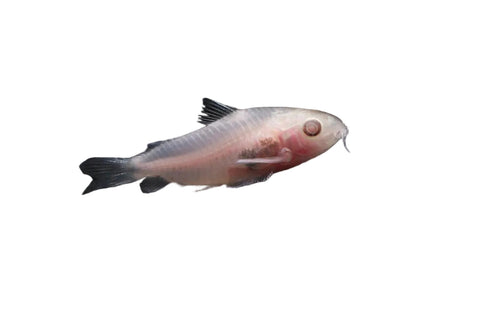
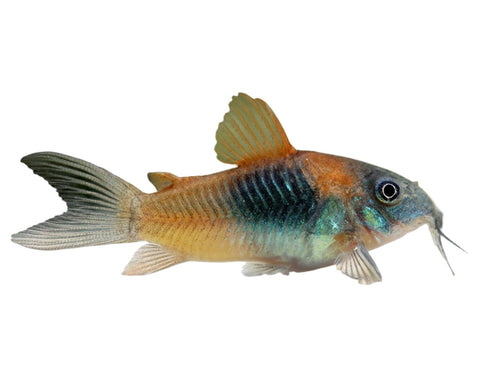
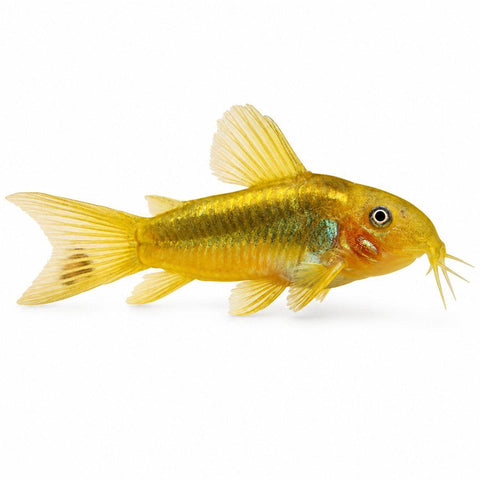
Albino Corydoras
$10.00

Every fish passes through our dedicated quarantine system and strict biosecurity monitoring before sale - so it arrives healthy, settled and ready to thrive. How we quarantine →
| Tasmania | NO |
| Western Australia | NO |
| Northern Territory | NO |
| All Other States | YES |
The Panda Corydoras is one of the most recognisable and popular Corydoras species in the aquarium hobby. Named after its distinctive black eye patches and black markings on the dorsal fin and tail, this charming South American catfish is a favourite for planted and community aquariums.
Native to the cool, fast-flowing tributaries of Peru, Panda Corydoras are peaceful, active fish that spend their day searching the substrate for small insects, worms, and leftover food. Their playful schooling behaviour and gentle temperament make them ideal companions for tetras, rasboras, gouramis, dwarf cichlids, rainbowfish, and peaceful shrimp.
Like all Corydoras, Panda Corys thrive when kept in groups of at least six individuals. They are most comfortable in aquariums with a soft sand substrate, driftwood, rocks, and dense plant cover that allows them to forage naturally without damaging their delicate barbels.
Easy to care for and full of personality, the Panda Corydoras is an excellent choice for both beginner and experienced aquarists looking to add an active and peaceful bottom-dwelling fish to their freshwater aquarium.
Corydoras panda
Panda Corydoras
Peru (Upper Amazon Basin)
5–5.5 cm
Peaceful
Omnivore
60 Litres
20–26°C
6.0–7.5
2–12 dGH
Beginner
5–10 Years
Community aquariums, planted tanks, and shrimp aquariums
Panda Corydoras are schooling fish and should always be kept in groups of at least six. Larger groups encourage natural behaviour and make the fish more confident.
They enjoy quality sinking pellets, Corydoras wafers, frozen bloodworms, blackworms, brine shrimp, and other sinking foods. They should be fed directly rather than relying on leftovers.
Yes. Panda Corydoras are completely peaceful and make excellent tank mates for Cherry Shrimp, Amano Shrimp, and other dwarf shrimp.
This is normal behaviour. Corydoras occasionally gulp atmospheric air as part of their natural respiration.
Yes. Fine sand is the ideal substrate, allowing them to sift naturally while protecting their sensitive barbels.
Panda Corydoras are highly social and should never be kept individually.
Coarse gravel can damage their barbels and reduce their ability to forage naturally.
They require dedicated sinking foods to maintain good health.
Panda Corydoras prefer slightly cooler water than many tropical fish and should not be kept at excessively high temperatures for extended periods.
Regular water changes, good filtration, and stable water parameters are essential for healthy, active Panda Corydoras.
Livestock is dispatched with heat/cool packs and oxygen from our Melbourne facility, timed for the safest transit. Live arrivals may be scheduled for the best shipping window. A live arrival guarantee applies - contact us within the required window if anything is not right.
We stand behind everything we sell. If something is not right, get in touch and we will make it right. See our returns policy for the details.
This fish has been through our dedicated quarantine system and is feeding, settled and health-checked before sale. We still recommend acclimating slowly and quarantining new additions at home. Our team is happy to talk you through the right setup - just ask.