Save 25%
Apistogramma Panduro (Pairs)
$90.00
$120.00
Save $30.00 (25%)In stock, ready to ship
Free in-store pickup
Ready to collect at our Melbourne store
Quarantined & health-checked
Every fish passes through our dedicated quarantine system and strict biosecurity monitoring before sale - so it arrives healthy, settled and ready to thrive. How we quarantine →
- Arrive Alive guarantee
- Hand-selected in Melbourne
- Secure checkout
- Expert local advice
Description
Biosecurity Shipping Limitations apply
Shipping Allowed?
| Tasmania | NO |
| Western Australia | NO |
| Northern Territory | NO |
| All Other States | YES |
About Apistogramma Panduro
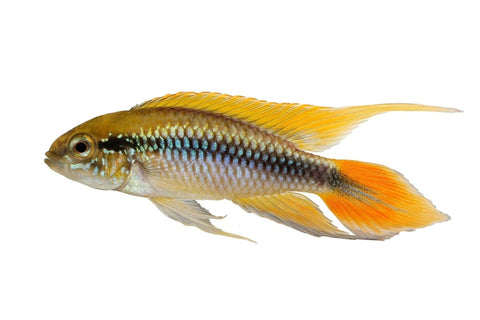
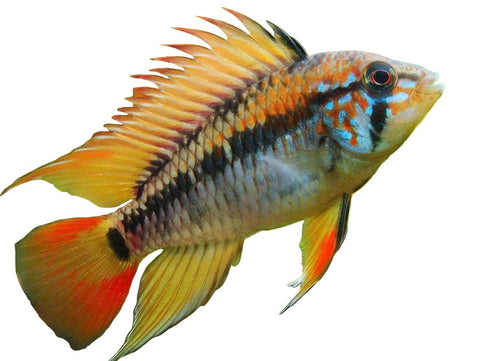
Apistogramma Panduro is a stunning South American dwarf cichlid prized for its intense blue facial markings, yellow body, dark lateral markings, and distinctive red-orange highlights on the fins. Males develop particularly impressive colouration and finnage as they mature, while females become intensely yellow when breeding.
Native to the upper Amazon region of Peru, Apistogramma Panduro naturally inhabits slow-moving forest streams and blackwater environments filled with leaf litter, submerged roots, branches, and dense vegetation. Recreating these conditions in the aquarium allows them to display their best colours and natural behaviour.
Generally peaceful outside of breeding, Apistogramma Panduro become territorial when spawning. Providing multiple caves, driftwood, plants, and visual barriers gives females secure areas to establish territories and raise fry.
They make excellent companions for peaceful Amazonian species such as Cardinal Tetras, Rummy Nose Tetras, Pencilfish, Corydoras, Otocinclus, and other small community fish.
A varied diet of quality micro pellets supplemented with frozen and live foods such as bloodworms, daphnia, blackworms, and baby brine shrimp will help maintain excellent colouration, growth, and breeding condition.
With its spectacular blue facial markings and vibrant yellow colouration, Apistogramma Panduro is an exceptional choice for planted aquariums and dedicated dwarf cichlid setups.
Quick Care Guide
Scientific Name: Apistogramma panduro
Common Name: Apistogramma Panduro
Origin: Peru, Upper Amazon Basin
Adult Size: Male 7–8 cm | Female 4–5 cm
Temperament: Peaceful, territorial when breeding
Diet: Carnivore / Omnivore
Minimum Tank Size: 60 Litres
Temperature: 24–28°C
pH: 5.0–7.0
Water Hardness: 1–8 dGH
Difficulty: Intermediate
Lifespan: 4–6 Years
Suitable For: Planted aquariums, blackwater aquariums, Amazon biotopes, and peaceful community tanks
Frequently Asked Questions
Are Apistogramma Panduro aggressive?
They are generally peaceful but become territorial when breeding. Providing several caves and visual barriers helps minimise aggression.
Can Apistogramma Panduro live in a community aquarium?
Yes. They work particularly well with peaceful Amazonian fish such as Cardinal Tetras, Rummy Nose Tetras, Corydoras, Pencilfish, and Otocinclus.
What do Apistogramma Panduro eat?
They enjoy quality micro pellets as well as frozen and live foods including bloodworms, daphnia, blackworms, and baby brine shrimp.
How can I tell males and females apart?
Males are larger and generally develop stronger blue facial markings, longer fins, and more pronounced body markings. Females are smaller and develop an intense yellow colour when breeding.
Are Apistogramma Panduro easy to breed?
Yes. With soft, slightly acidic water and suitable caves, they can breed readily. Females guard the eggs and fry while the male typically defends the surrounding territory.
Common Mistakes
Not providing enough caves
Provide multiple small caves so females can establish secure spawning territories.
Keeping them with aggressive tank mates
Large or aggressive fish can stress Apistogramma and prevent natural behaviour.
Using a bare aquarium
Driftwood, leaf litter, plants, and shaded areas help recreate their natural environment.
Poor water quality
Maintain clean, stable water and perform regular water changes.
Feeding only dry foods
A varied diet including frozen and live foods helps maximise colouration, condition, and breeding success.
Shipping & delivery
Livestock is dispatched with heat/cool packs and oxygen from our Melbourne facility, timed for the safest transit. Live arrivals may be scheduled for the best shipping window. A live arrival guarantee applies - contact us within the required window if anything is not right.
Returns
We stand behind everything we sell. If something is not right, get in touch and we will make it right. See our returns policy for the details.
Care & quarantine
This fish has been through our dedicated quarantine system and is feeding, settled and health-checked before sale. We still recommend acclimating slowly and quarantining new additions at home. Our team is happy to talk you through the right setup - just ask.
More from Apistogramma
View all →
Apistogramma Fire Gold (Pair)
From $60.00
Choose single or pair
Apistogramma Macmasteri (Pairs)
$110.00
Sale
Apistogramma Tefe Pearl (Pairs)
$99.00
$140.00
Sold out