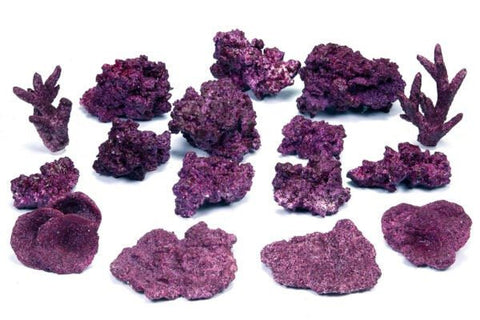
Real Reef Rocks
From $2.80
Choose type

Hand-selected, acclimated and inspected by our team under strict biosecurity monitoring - so it arrives healthy, settled and ready to thrive. Our biosecurity →
| Tasmania | NO |
| Western Australia | NO |
| Northern Territory | NO |
| All Other States | YES |
The Black Rose Shrimp is one of the most elegant and sought-after Neocaridina shrimp varieties, admired for its deep velvet-black colouration and glossy appearance. High-grade specimens display a rich, opaque black body from head to tail, creating a dramatic contrast against vibrant green plants and light-coloured aquascaping materials.
A selectively bred variety of Neocaridina davidi, the Black Rose Shrimp is both hardy and easy to care for, making it an excellent choice for beginners and experienced shrimp keepers alike. These active freshwater shrimp spend their day grazing on algae, biofilm, and organic matter found on plants, driftwood, rocks, and substrate, helping to maintain a healthy aquarium ecosystem.
Black Rose Shrimp thrive in mature planted aquariums with mosses, driftwood, botanicals, and plenty of hiding places. Stable water conditions and a well-established aquarium rich in natural biofilm are essential for successful moulting and breeding. Their peaceful temperament makes them ideal for shrimp-only aquariums or community tanks with Ember Tetras, Chili Rasboras, Celestial Pearl Danios, Pygmy Corydoras, Otocinclus, and Blue-eye Rainbowfish.
A varied diet of premium shrimp pellets, algae wafers, spirulina, blanched spinach, zucchini, Indian Almond Leaves, and occasional protein-rich foods such as baby brine shrimp will promote healthy moulting, vibrant colouration, and successful breeding.
Striking, peaceful, and incredibly hardy, the Black Rose Shrimp is a stunning addition to any planted aquarium or dedicated shrimp colony.
Yes. Black Rose Shrimp are one of the easiest freshwater shrimp to keep and are ideal for both beginner and experienced aquarists.
They feed on biofilm, algae, premium shrimp pellets, algae wafers, spirulina, blanched vegetables, Indian Almond Leaves, and occasional protein-rich foods.
Yes. They do well with peaceful nano fish such as Ember Tetras, Rasboras, Pygmy Corydoras, Otocinclus, and Blue-eyes. Avoid larger or predatory fish that may prey on shrimp.
Yes. They breed readily in freshwater aquariums with stable water conditions. Females carry eggs beneath their abdomen until fully developed juvenile shrimp hatch.
They can, but different Neocaridina colour varieties will interbreed. Over time, this often results in wild-type brown offspring. To preserve the rich black colouration, keep Black Rose Shrimp in their own colony.
Black Rose Shrimp will interbreed with other Neocaridina davidi colour morphs, reducing colour quality over future generations.
Always introduce shrimp to a mature, fully cycled aquarium with established biofilm.
Rapid fluctuations in temperature, pH, or hardness can lead to stress and moulting issues. Slow acclimation is essential.
Mosses, shrimp caves, driftwood, and dense planting provide essential shelter during moulting and improve juvenile survival.
Feed small amounts and allow shrimp to graze naturally between feedings. Excess food quickly reduces water quality.
Livestock is dispatched with heat/cool packs and oxygen from our Melbourne facility, timed for the safest transit. Live arrivals may be scheduled for the best shipping window. A live arrival guarantee applies - contact us within the required window if anything is not right.
We stand behind everything we sell. If something is not right, get in touch and we will make it right. See our returns policy for the details.
This animal has been hand-selected, acclimated and inspected before sale. We still recommend acclimating slowly at home - inverts are sensitive to sudden parameter swings. Our team is happy to talk you through the right setup - just ask.
Choose type
Choose amount
Choose type
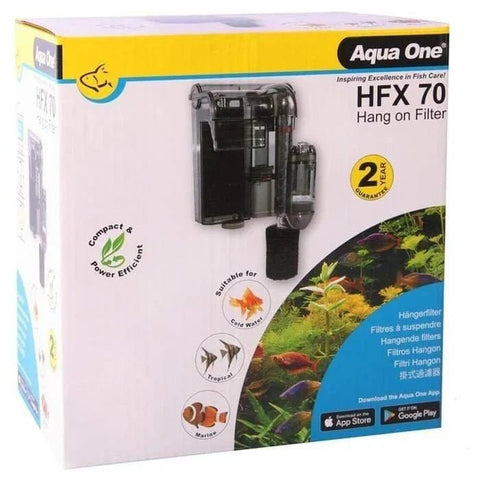
Choose size
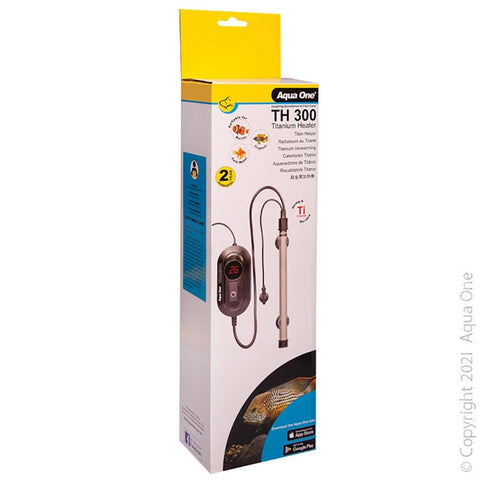
Choose wattage
Husbandry // Freshwater · Invertebrate
Care Difficulty
BeginnerFeeding
Omnivore
Temperament
Peaceful
Minimum Tank Size
20 Litres
Lifespan
1.5-2 Years
Overnight priority · biosecurity rules apply