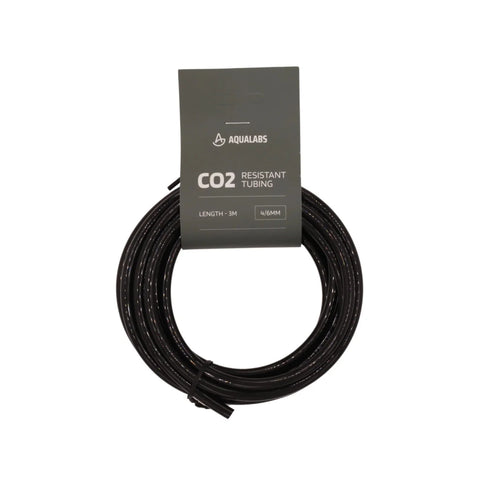
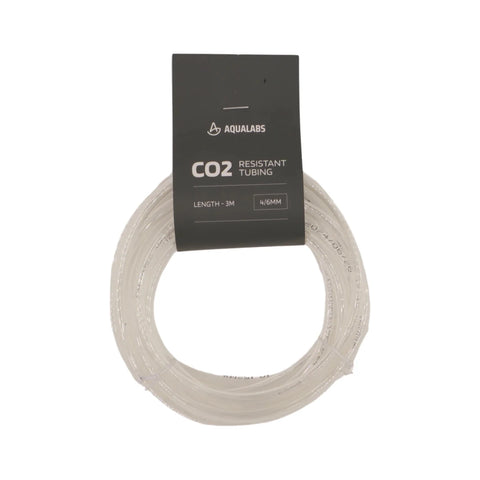
AquaLabs CO2 Resistant Tubing
$20.00
Choose colour
Every fish passes through our dedicated quarantine system and strict biosecurity monitoring before sale - so it arrives healthy, settled and ready to thrive. How we quarantine →
| Tasmania | NO |
| Western Australia | NO |
| Northern Territory | NO |
| All Other States | YES |
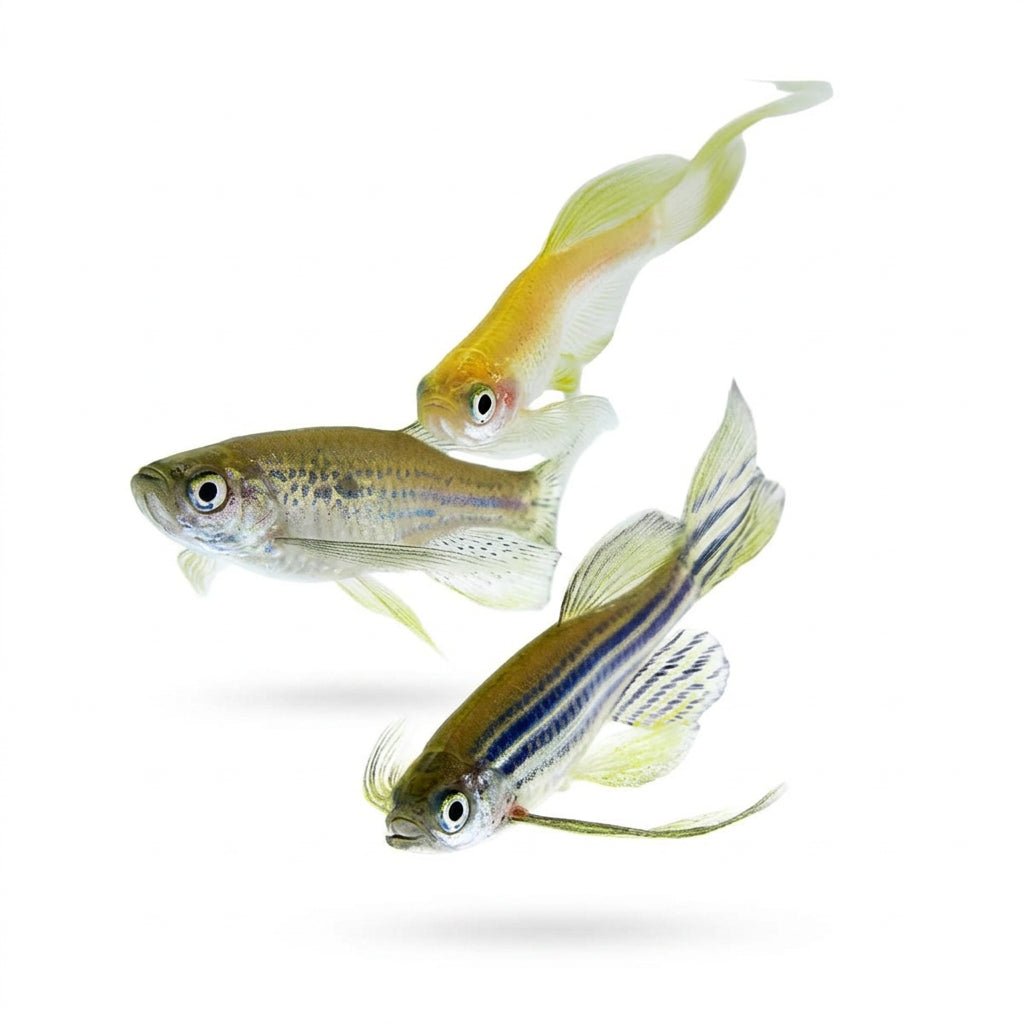
The Longfin Assorted Danio is a lively and attractive freshwater aquarium fish known for its elongated, flowing fins, streamlined body and active swimming behaviour. Sold in assorted colour forms, these fish may display blue and silver stripes, golden tones or leopard-like spots, depending on the variety supplied.
The exact scientific name depends on the assortment stocked. Longfin Zebra Danios are commonly Danio rerio, while other long-finned varieties may belong to different danio species. The long-fin trait has been developed through selective breeding, creating an elegant appearance while retaining much of the hardiness and energy associated with danios.
Longfin Danios are active, social schooling fish that spend much of their time swimming through the middle and upper levels of the aquarium. They are generally peaceful and make excellent additions to freshwater community aquariums when kept with compatible tankmates.
Keep a group of at least six, with larger groups providing more natural social behaviour. A tank of around 55 litres or larger is a sensible starting point for a small school, with a longer aquarium preferred because these energetic fish appreciate open swimming space.
A setup with live plants around the edges, open swimming areas and gentle water movement suits them well. Their flowing fins can be vulnerable to fin-nipping tankmates, so avoid keeping them with species known for persistent fin biting.
Longfin Assorted Danios are omnivores and readily accept a variety of aquarium foods. Feed quality tropical flakes or small micro-pellets as their staple diet, supplemented with frozen or live foods such as daphnia, brine shrimp and bloodworms.
Their active nature makes small, regular meals a good choice. Offer only what they can consume within a few minutes, and remove excess food to help maintain water quality. A varied diet supports healthy growth, good body condition and vibrant colouration.
These danios are suitable for many peaceful community aquariums. Good potential tankmates include similarly sized rasboras, small to medium tetras, corydoras catfish and other peaceful danios. Avoid aggressive fish, slow feeders that struggle to compete and fin-nipping species such as tiger barbs.
Longfin Danios are generally hardy and adaptable, making them a good option for beginner aquarists. Maintain a fully cycled aquarium, provide good oxygenation and keep water parameters stable. A secure lid is recommended because danios can jump when startled.
With their flowing fins, assorted colours and energetic schooling behaviour, Longfin Assorted Danios are an excellent choice for aquarists wanting an attractive, easy-care freshwater community fish.
|
Care requirement |
Details |
|---|---|
|
Scientific name |
Danio spp.; commonly Danio rerio for Longfin Zebra Danios |
|
Common name |
Longfin Assorted Danio |
|
Family |
Danionidae |
|
Origin |
Depends on species; Zebra Danio ancestors originate from South Asia |
|
Care level |
Easy |
|
Adult size |
Approximately 5–6 cm for Longfin Zebra Danios |
|
Minimum aquarium size |
Around 55 litres for a small school |
|
Temperature |
18–25°C for Longfin Zebra Danios |
|
pH |
Approximately 6.0–8.0 |
|
General hardness (GH) |
Approximately 5–19 dGH |
|
Diet |
Omnivore |
|
Temperament |
Peaceful, active and social |
|
Swimming level |
Middle to upper levels |
|
Social requirements |
Groups of at least 6 |
|
Compatibility |
Peaceful community fish; avoid fin-nippers |
|
Aquarium type |
Freshwater community or planted aquarium |
|
Lifespan |
Approximately 3–5 years |
|
Special requirements |
Open swimming space, secure lid and compatible tankmates |
These guidelines are based primarily on Longfin Zebra Danio care. Exact adult size and water requirements may differ if the assortment contains other Danio species.
Longfin Zebra Danios generally reach around 5–6 cm. Other species sold in assorted danio collections may have different adult sizes.
Keep at least six together. They are social, active fish that generally behave more naturally in a group.
Yes. Longfin Zebra Danios are hardy, adaptable fish that suit beginners with a properly cycled aquarium and consistent maintenance.
They eat quality tropical flakes, micro-pellets, frozen foods and small live foods. A varied omnivorous diet helps maintain their health and colour.
Yes. They generally coexist well with peaceful fish of a similar size. Avoid aggressive tankmates and species that may nip their flowing fins.
Yes. They work well in planted aquariums with open swimming areas. Plants provide shelter and create an attractive backdrop for their flowing fins.
1. Keeping too few fish: Small groups may become stressed or display excessive chasing. Maintain a suitable school of six or more.
2. Choosing an aquarium that is too small: These fish are energetic swimmers. Provide enough horizontal swimming space for the entire group.
3. Keeping them with fin-nippers: Their elongated fins can be damaged by aggressive or persistent fin-nipping tankmates. Choose compatible community species.
4. Overfeeding: Excess food can pollute the aquarium and compromise water quality. Feed small portions and remove uneaten food.
5. Ignoring water quality: Ammonia and nitrite must remain at zero in an established aquarium. Maintain filtration and perform regular water changes.
6. Leaving the aquarium uncovered: Danios may jump when startled. Fit a secure lid to help prevent accidental escapes.
Livestock is dispatched with heat/cool packs and oxygen from our Melbourne facility, timed for the safest transit. Live arrivals may be scheduled for the best shipping window. A live arrival guarantee applies - contact us within the required window if anything is not right.
We stand behind everything we sell. If something is not right, get in touch and we will make it right. See our returns policy for the details.
This fish has been through our dedicated quarantine system and is feeding, settled and health-checked before sale. We still recommend acclimating slowly and quarantining new additions at home. Our team is happy to talk you through the right setup - just ask.
Choose colour

Choose type
Choose size

Choose type

Choose size