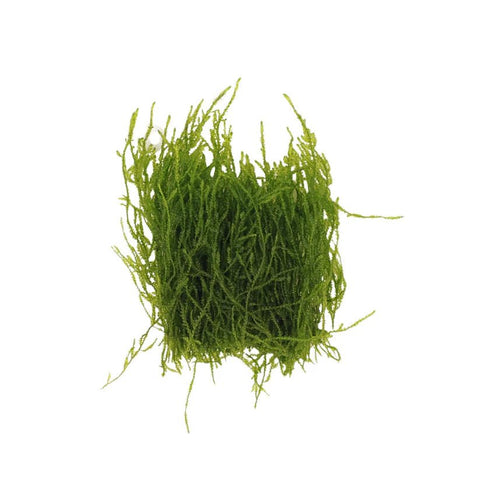

Moss
From $15.00
Choose type

| Tasmania | NO |
| Western Australia | NO |
| Northern Territory | NO |
| All Other States | YES |
Dwarf Water Lettuce is a beautiful floating aquarium plant prized for its soft velvety leaves, compact rosette shape, and long, delicate root system that trails gracefully beneath the water's surface. Unlike the larger standard Water Lettuce, the dwarf form remains much smaller, making it ideal for nano aquariums, planted tanks, shrimp aquariums, and aquascapes.
This fast-growing floating plant provides excellent natural cover for fish and shrimp while reducing light intensity, helping shy species feel secure and encouraging natural behaviour. The extensive root system also offers shelter for shrimp, fry, and microfauna, while absorbing excess nutrients to help improve water quality and reduce algae growth.
Dwarf Water Lettuce thrives under moderate to high lighting with gentle surface movement. It prefers calm water, as excessive splashing can keep the leaves wet and lead to deterioration. Under ideal conditions it reproduces rapidly by sending out runners, forming attractive floating colonies across the aquarium surface.
It pairs perfectly with Bettas, Gouramis, Blue-eye Rainbowfish, Rasboras, Tetras, Corydoras, shrimp, and many other peaceful freshwater species.
Easy to grow, highly beneficial, and visually striking, Dwarf Water Lettuce is one of the best floating plants for creating a natural freshwater aquarium.
Pistia stratiotes
Dwarf Water Lettuce
Tropical and subtropical regions worldwide
Floating plant
Fast
Beginner
Moderate to High
No
20–30°C
6.0–7.8
2–15 dGH
Floating on the water surface
Planted aquariums, shrimp tanks, nano aquariums, Betta aquariums, breeding tanks, and aquascapes
No. Dwarf Water Lettuce is a floating plant and should remain on the water surface. Its roots hang freely beneath the plant.
Yes. It absorbs excess nutrients from the water while shading the aquarium, helping to reduce algae growth when maintained correctly.
Absolutely. Its long roots provide excellent shelter and grazing surfaces for shrimp, shrimplets, and fish fry.
This is often caused by excessive surface agitation, water splashing onto the leaves, nutrient deficiencies, or insufficient lighting. Keeping the leaves dry and providing stable conditions will help maintain healthy growth.
Yes. Under good lighting and nutrient-rich conditions, it spreads rapidly by producing daughter plants connected by runners.
Strong currents or splashing can keep the leaves wet, causing them to rot or melt. Calm surface water is ideal.
Thin the plants regularly to maintain gas exchange and allow enough light to reach submerged plants.
Low light slows growth and may result in smaller or unhealthy plants.
Floating plants obtain nutrients directly from the water column. Regular fertilisation may be beneficial in heavily planted or low-stock aquariums.
In tightly covered aquariums, excessive humidity and condensation can damage floating plants. Good ventilation promotes healthier growth.
Dispatched from our Melbourne facility, usually within 1-2 business days. Delivery time and cost are calculated at checkout based on your address.
We stand behind everything we sell. If something is not right, get in touch and we will make it right. See our returns policy for the details.
Choose type


