
Extreme Blue Bolt Shrimp
$18.00
In stock, ready to ship
Free in-store pickup
Ready to collect at our Melbourne store
Health-checked before sale
Hand-selected, acclimated and inspected by our team under strict biosecurity monitoring - so it arrives healthy, settled and ready to thrive. Our biosecurity →
- Arrive Alive guarantee
- Hand-selected in Melbourne
- Secure checkout
- Expert local advice
Description
Biosecurity Shipping Limitations apply
Shipping Allowed?
| Tasmania | NO |
| Western Australia | NO |
| Northern Territory | NO |
| All Other States | YES |
About Extreme Blue Bolt Shrimp
Extreme Blue Bolt Shrimp are a premium selectively bred Caridina shrimp prized for their exceptionally intense deep blue to navy-blue colouration, often combined with contrasting white or pale-blue markings.
They are a stunning addition to dedicated shrimp aquariums, where their intense colour stands out against dark substrate, moss and green aquatic plants. Individual specimens can vary in pattern and colour coverage, with higher-grade shrimp typically displaying stronger, more opaque colouration.
Like other Blue Bolt-type Caridina, Extreme Blue Bolts require stable, soft and slightly acidic water. They are considerably less forgiving than Neocaridina varieties, making a mature, established aquarium particularly important.
A well-established planted shrimp tank containing moss, driftwood, rocks and plenty of natural biofilm provides an ideal environment. They spend much of their time grazing surfaces throughout the aquarium.
With suitable conditions, they can breed readily. Females carry their eggs beneath the abdomen until the shrimplets are fully developed and released.
Quick Care Guide
Scientific Name: Caridina sp.
Common Name: Extreme Blue Bolt Shrimp
Type: Freshwater Dwarf Shrimp
Adult Size: Approximately 2–3 cm
Temperament: Peaceful
Care Level: Intermediate to Advanced
Minimum Group: 6+
Temperature: 20–24°C
pH: 5.8–6.8
Water Hardness: Soft
Diet: Omnivore / Biofilm Grazer
Tank Level: All Levels
Suitable For: Dedicated shrimp tanks, planted aquariums, aquascapes and peaceful nano setups
Frequently Asked Questions
Are Extreme Blue Bolt Shrimp suitable for beginners?
They are better suited to aquarists who already have experience with Caridina shrimp. Stable water parameters are much more important than simply providing clean water.
What water do Extreme Blue Bolt Shrimp need?
They generally prefer soft, slightly acidic water with low KH and stable GH. RO water remineralised with a suitable Caridina shrimp mineral is commonly used.
Can Extreme Blue Bolt Shrimp live with fish?
They can be kept with very peaceful nano fish, but fish may eat shrimplets. A dedicated shrimp aquarium provides the best environment for breeding and colony growth.
What do Extreme Blue Bolt Shrimp eat?
They naturally graze on biofilm and microorganisms. Supplement this with quality shrimp food, algae-based foods and occasional vegetables.
Can they breed in an aquarium?
Yes. Once established in suitable conditions, females can carry eggs and produce fully formed shrimplets.
Common Mistakes
Using hard or alkaline water
Blue Bolt Caridina generally require much softer water than Neocaridina shrimp.
Large water-parameter changes
Sudden changes in pH, temperature or mineral content can seriously stress Caridina.
Adding them to a new aquarium
A mature aquarium with established biofilm is strongly recommended.
Overfeeding
Excess food can rapidly degrade water quality. Feed small portions and remove leftovers.
Using copper-based medications
Copper is highly toxic to freshwater shrimp. Always check medication ingredients before dosing a shrimp aquarium.
Shipping & delivery
Livestock is dispatched with heat/cool packs and oxygen from our Melbourne facility, timed for the safest transit. Live arrivals may be scheduled for the best shipping window. A live arrival guarantee applies - contact us within the required window if anything is not right.
Returns
We stand behind everything we sell. If something is not right, get in touch and we will make it right. See our returns policy for the details.
Care & biosecurity
This animal has been hand-selected, acclimated and inspected before sale. We still recommend acclimating slowly at home - inverts are sensitive to sudden parameter swings. Our team is happy to talk you through the right setup - just ask.
More from Back In Stock
View all →
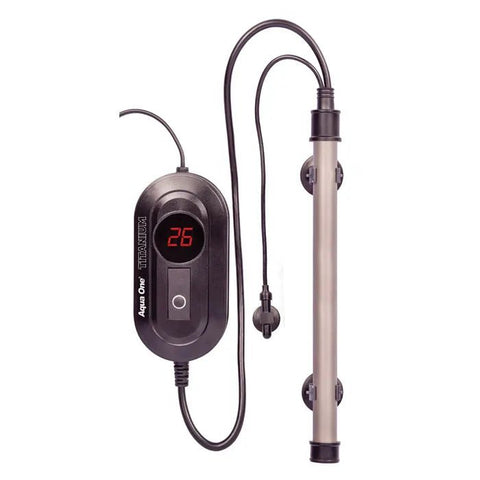
Aqua One Titanium Heater
From $99.00
Choose wattage
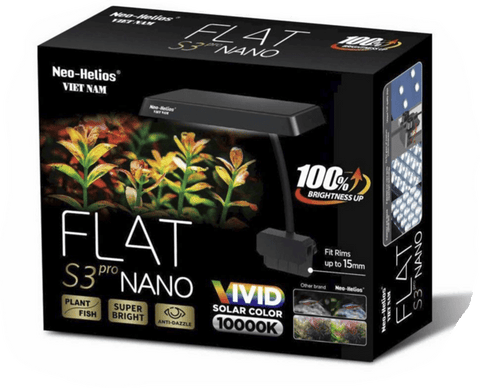
Neo Helios Flat Nano
From $39.95
Choose model
EHEIM Thermocontrol Heater
From $64.95
Choose wattage
Assorted Mystery Snail
$10.00
Choose size