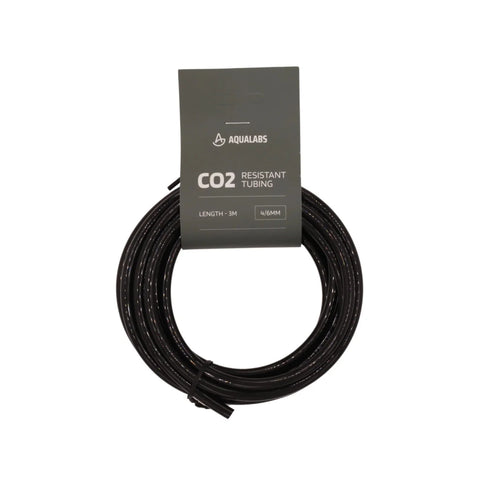
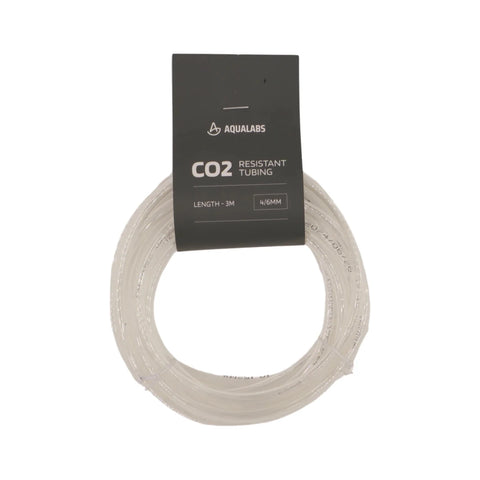
AquaLabs CO2 Resistant Tubing
$20.00
Choose colour
Every fish passes through our dedicated quarantine system and strict biosecurity monitoring before sale - so it arrives healthy, settled and ready to thrive. How we quarantine →
| Tasmania | YES |
| Western Australia | YES |
| Northern Territory | NO |
| All Other States | YES |
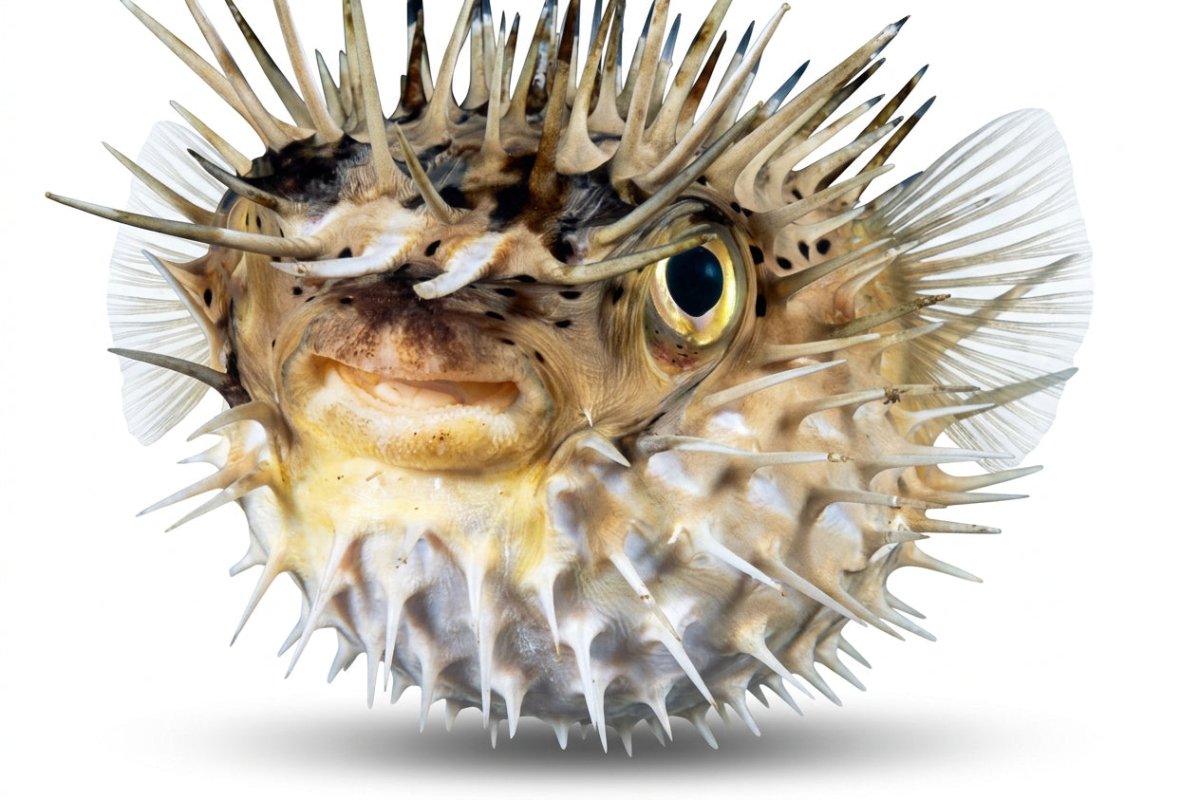
The Longspine Porcupine Pufferfish (Diodon holocanthus), also known as the Long-spined Porcupinefish, Freckled Porcupinefish or Balloonfish, is a fascinating marine species recognised for its distinctive long spines, expressive eyes and remarkable ability to inflate its body when threatened.
Belonging to the family Diodontidae, this impressive fish is a popular choice for experienced marine aquarists looking for an unusual species with plenty of personality.
Its body is generally pale grey, cream or brown, covered with small dark spots and several larger brown markings across the upper body. Its most recognisable feature is the collection of long, erectile spines covering its head and body. When relaxed, these spines lie relatively flat against the body, but when the fish inflates, they extend outwards to create an impressive defensive display.
The Longspine Porcupine Pufferfish has a powerful beak-like mouth formed from fused teeth, specifically adapted for crushing hard-shelled prey such as crabs, molluscs and sea urchins.
Natural Habitat and Behaviour
The Longspine Porcupine Pufferfish has a circumtropical distribution, occurring throughout tropical and subtropical marine waters, including the Indo-Pacific, Indian Ocean and Atlantic Ocean. In Australia, it is found across tropical northern waters and along parts of the eastern and western coastlines.
It inhabits coral reefs, rocky reef environments, seagrass areas and sandy or muddy seabeds. Juvenile specimens are often associated with floating seaweed, while larger fish become more closely associated with reef and benthic habitats.
This species is generally solitary and can be relatively slow-moving during the day, becoming more active when searching for food. It has particularly strong nocturnal feeding instincts, using its excellent sense of smell to locate crustaceans and other invertebrates.
One of its most fascinating characteristics is its ability to inflate its body by taking in water when threatened. This defensive response makes the fish considerably larger and causes its spines to become erect, discouraging potential predators.
Aquarium Suitability and Compatibility
The Longspine Porcupine Pufferfish is best suited to a large, dedicated marine fish-only aquarium. Although it may appear relatively small when purchased as a juvenile, it can eventually reach approximately 35–50 cm, making adult aquarium requirements an important consideration.
It is not considered reef safe. Its natural feeding behaviour involves consuming crustaceans, molluscs, sea urchins and other invertebrates, meaning ornamental shrimp, crabs, snails and other reef inhabitants are at risk.
Suitable tank mates may include carefully selected larger marine fish such as:
Larger tangs.
Robust angelfish.
Selected groupers.
Larger wrasses.
Other appropriately sized marine fish.
Avoid keeping them with very small fish, aggressive fin-nippers or fish that may harass their delicate fins.
They are generally best maintained individually, as territorial behaviour and competition for food can become problematic when keeping multiple large porcupinefish together.
Feeding and Nutrition
Longspine Porcupine Pufferfish are carnivorous predators with powerful beak-like teeth designed to crush hard-shelled prey.
In their natural environment, they feed primarily on hard-shelled invertebrates, including crabs, molluscs and sea urchins.
In captivity, provide a varied diet consisting of:
Whole mussels in their shells.
Clams and cockles.
Crab meat and appropriately sized crab pieces.
Prawns with shells.
Squid and octopus.
Other suitable marine crustaceans.
Quality marine carnivore preparations.
Hard-shelled foods are particularly important because they encourage natural chewing and help maintain the fish's continuously growing teeth. A diet consisting exclusively of soft seafood can contribute to excessive beak growth.
Feed appropriately sized portions and monitor the fish's body condition. Younger specimens generally benefit from more frequent smaller meals.
Aquarium Requirements
A very large, mature marine aquarium with excellent filtration is essential for this species. Its substantial adult size and carnivorous feeding habits create a significant biological load.
Provide plenty of open swimming space alongside sturdy rockwork and sheltered areas. Avoid sharp decorations or exposed equipment that could injure the fish.
Maintain stable marine water parameters, strong biological filtration and efficient protein skimming. Regular water changes are important for maintaining excellent water quality.
Never deliberately frighten or force a Porcupine Pufferfish to inflate. Inflation is a defensive stress response and should not be encouraged for entertainment or photography.
When handling or transferring this species, use a suitable submerged container rather than lifting it into the air.
With appropriate space, specialised feeding and stable water conditions, the Longspine Porcupine Pufferfish can become a fascinating long-term addition to a dedicated marine aquarium.
Species Information
|
Care Requirement |
Details |
|---|---|
|
Common Name |
Longspine Porcupine Pufferfish |
|
Alternative Names |
Freckled Porcupinefish / Balloonfish |
|
Scientific Name |
Diodon holocanthus |
|
Family |
Diodontidae |
|
Origin |
Circumtropical |
|
Australian Distribution |
Tropical northern Australia and eastern coastline |
|
Care Level |
Moderate to Advanced |
|
Adult Size |
Approximately 35–50 cm |
|
Minimum Aquarium |
1,000 litres recommended for adult care |
|
Temperature |
24–27°C |
|
pH |
8.1–8.4 |
|
Specific Gravity |
1.023–1.026 |
|
Diet |
Carnivore |
|
Temperament |
Semi-aggressive |
|
Swimming Level |
All levels |
|
Reef Compatibility |
Not reef safe |
|
Aquarium Type |
Marine Fish Only |
|
Social Behaviour |
Best kept individually |
|
Activity |
More active when feeding, particularly at night |
Recommended Aquarium Setup
Very large marine aquarium with open swimming space.
Mature biological filtration.
Powerful protein skimming.
Sturdy rockwork and sheltered areas.
Stable salinity and excellent water quality.
Varied diet containing hard-shelled seafood.
Avoid aggressive or fin-nipping tank mates.
Adult size varies between references, with Australian sources reporting approximately 35 cm and other international references reporting up to 50 cm. The aquarium recommendation is intended for long-term adult accommodation.
1. How big does a Longspine Porcupine Pufferfish grow?
The Longspine Porcupine Pufferfish can reach approximately 35–50 cm in length. Although juveniles are relatively small, they eventually become substantial marine fish requiring a very large aquarium.
2. Is the Longspine Porcupine Pufferfish reef safe?
No. It naturally feeds on crustaceans, molluscs and other invertebrates. Ornamental shrimp, crabs, snails, clams and other reef inhabitants are at risk of being eaten.
3. Why does my Porcupine Pufferfish inflate itself?
Inflation is a natural defensive response. The fish takes in water, expanding its body and causing its spines to become erect. This makes it more difficult for predators to swallow. It should never be deliberately encouraged.
4. What should I feed a Longspine Porcupine Pufferfish?
Offer a varied diet containing mussels, clams, cockles, prawns, crab, squid and other marine seafood. Include appropriately hard-shelled foods to encourage natural tooth wear and help prevent excessive beak growth.
5. Can Longspine Porcupine Pufferfish live with other marine fish?
Yes, carefully selected larger marine fish can make suitable companions. Avoid small fish, aggressive fin-nippers and species that may compete aggressively for food.
6. Why are hard-shelled foods important for Porcupine Pufferfish?
Porcupine Pufferfish have continuously growing beak-like teeth. Feeding appropriately hard-shelled foods encourages natural wear and helps prevent excessive tooth growth, which can eventually interfere with feeding.
1. Keeping them in aquariums that are too small: Juveniles can be misleading in size. Always plan for their potential adult length of up to 50 cm.
2. Feeding exclusively soft foods: A diet consisting only of squid, fish fillets or soft seafood does not provide sufficient natural tooth wear. Include suitable hard-shelled foods.
3. Keeping them in reef aquariums: Their natural diet includes crustaceans and molluscs, making them unsuitable for most reef setups.
4. Deliberately making them inflate: Inflation is a defensive response that can cause significant stress. Never provoke this behaviour.
5. Choosing unsuitable tank mates: Small fish and delicate invertebrates may become prey, while aggressive fish can damage their fins and cause stress.
6. Neglecting water quality: Their large adult size and substantial feeding requirements create considerable waste. Strong filtration, protein skimming and regular water changes are essential.
Livestock is dispatched with heat/cool packs and oxygen from our Melbourne facility, timed for the safest transit. Live arrivals may be scheduled for the best shipping window. A live arrival guarantee applies - contact us within the required window if anything is not right.
We stand behind everything we sell. If something is not right, get in touch and we will make it right. See our returns policy for the details.
This fish has been through our dedicated quarantine system and is feeding, settled and health-checked before sale. We still recommend acclimating slowly and quarantining new additions at home. Our team is happy to talk you through the right setup - just ask.
Choose colour

Choose type

Choose size

Choose type

Choose size