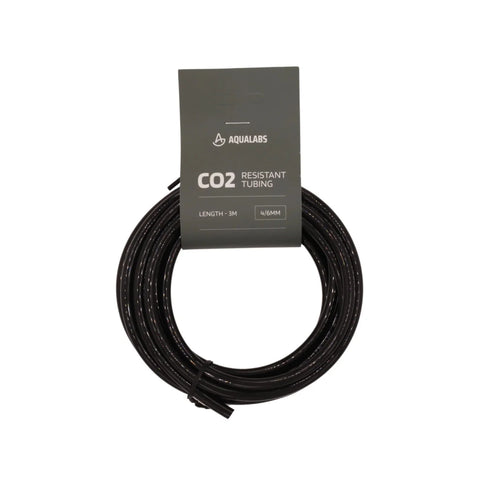

AquaLabs CO2 Resistant Tubing
$20.00
Choose colour
Every fish passes through our dedicated quarantine system and strict biosecurity monitoring before sale - so it arrives healthy, settled and ready to thrive. How we quarantine →
| Tasmania | NO |
| Western Australia | NO |
| Northern Territory | NO |
| All Other States | YES |
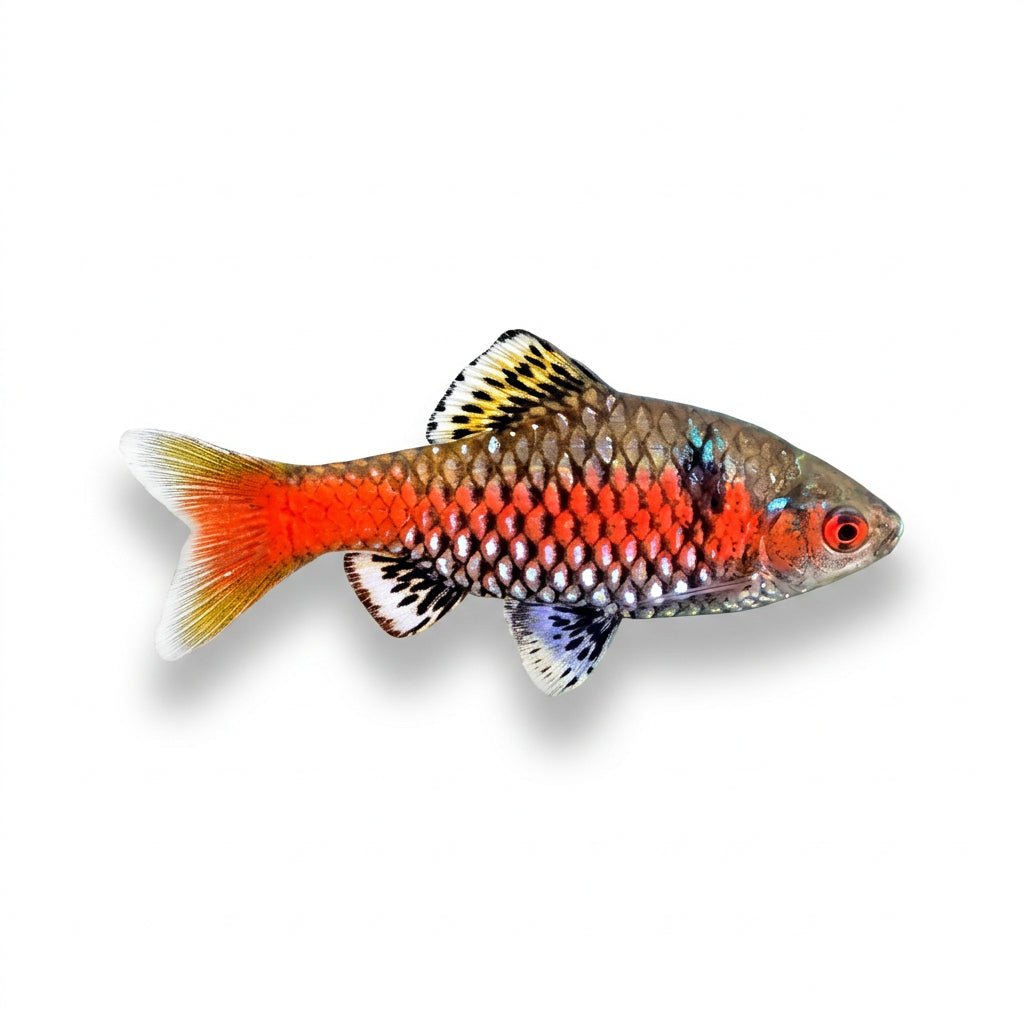
The Odessa Barb (Pethia padamya), also known as the Scarlet Barb or Ruby Barb, is a striking freshwater schooling fish renowned for the brilliant red stripe displayed by mature males. Its combination of metallic silver scales, dark markings and vibrant red colouration makes it a popular choice for planted community aquariums.
Native to central Myanmar, Odessa Barbs inhabit freshwater environments within the Chindwin and Ayeyarwady river systems. They are active swimmers that naturally form groups, spending much of their time exploring open water and searching for small food organisms.
One of the most attractive features of this species is the difference between males and females. Mature males develop an intense ruby-red horizontal stripe running along their flanks, contrasting beautifully against their silver body. Females are generally fuller-bodied, with more subdued golden-silver colouration and less prominent red markings.
The scientific name Pethia padamya was formally established in 2008, with the species name derived from a Burmese word meaning ruby.
Behaviour and Temperament
Odessa Barbs are active, peaceful schooling fish that are well suited to community aquariums. They are constantly on the move and display particularly interesting behaviour when maintained in appropriately sized groups.
Males frequently display their colours to one another, especially when competing for the attention of females. These interactions are generally harmless and contribute to their appeal.
Keeping at least six individuals is recommended, although groups of eight to twelve or more are preferable where aquarium space allows. A good balance of males and females can also encourage natural behaviour and help distribute attention between individuals.
Aquarium Suitability and Compatibility
Odessa Barbs are an excellent choice for planted freshwater community aquariums. They appreciate open swimming areas combined with aquatic plants, driftwood and natural hiding spaces.
They generally coexist well with other peaceful, similarly sized freshwater fish, including:
Zebra Danios.
Harlequin Rasboras.
Cherry Barbs.
Corydoras Catfish.
Bristlenose Catfish.
Other peaceful community barbs.
Avoid keeping them with slow-moving, long-finned fish such as Bettas and fancy Guppies, as occasional fin-nipping may occur, particularly when Odessa Barbs are kept in groups that are too small.
Feeding and Nutrition
Odessa Barbs are omnivores and readily accept a wide variety of aquarium foods. In their natural environment, they feed on small invertebrates, insects, worms, plant material and organic matter.
For optimal health and colouration, provide a varied diet consisting of:
High-quality tropical flakes.
Small tropical micro pellets.
Frozen bloodworms.
Frozen brine shrimp.
Mysis shrimp.
Daphnia.
Spirulina-based foods.
Occasional vegetable-based foods.
Regularly offering frozen and live foods can help encourage natural feeding behaviour and enhance the red colouration of mature males.
Feed once or twice daily in small portions that can be consumed within a few minutes.
Aquarium Requirements
Odessa Barbs are relatively hardy and adaptable, making them suitable for both beginner and experienced freshwater aquarists.
A planted aquarium with open swimming space is ideal. Darker substrates and areas of floating vegetation can help create a natural-looking environment while providing contrast that enhances their colours.
They appreciate clean, well-oxygenated water with moderate circulation. Although they tolerate a reasonably broad temperature range, stable conditions and regular water changes are important for long-term health.
When maintained in a suitable group with a varied diet, Odessa Barbs make a colourful and energetic addition to community aquariums.
Species Information
|
Care Requirement |
Details |
|---|---|
|
Common Name |
Odessa Barb |
|
Scientific Name |
Pethia padamya |
|
Family |
Cyprinidae |
|
Origin |
Central Myanmar |
|
Care Level |
Easy |
|
Adult Size |
5–6 cm |
|
Minimum Aquarium |
80 litres |
|
Temperature |
20–25°C |
|
pH |
6.5–8.0 |
|
Water Hardness |
5–20 dGH |
|
Diet |
Omnivore |
|
Temperament |
Peaceful / Occasionally nippy |
|
Swimming Level |
Middle |
|
Reef Compatibility |
Freshwater species |
|
Aquarium Type |
Tropical Freshwater |
|
Social Behaviour |
Schooling – 6+ recommended |
|
Lifespan |
Approximately 3–5 years |
Recommended Aquarium Setup
Keep in groups of at least six, preferably eight or more.
Planted aquarium with open swimming areas.
Dark substrate to enhance colouration.
Moderate water movement and good oxygenation.
Driftwood and natural hiding places.
Peaceful community tank mates of similar size.
1. How big do Odessa Barbs grow?
Odessa Barbs generally reach approximately 5–6 cm in adult size. They remain relatively compact but are very active swimmers and require adequate swimming space.
2. How many Odessa Barbs should I keep together?
A minimum group of six is recommended. Groups of eight to twelve or more are preferable, allowing the fish to display more natural schooling and social behaviour.
3. How can you tell the difference between male and female Odessa Barbs?
Males develop a distinctive bright ruby-red stripe along their bodies, particularly when displaying. Females are generally fuller-bodied and have more subdued silver or golden colouration.
4. Are Odessa Barbs aggressive?
They are generally peaceful community fish. However, they can occasionally nip the fins of slower-moving fish, particularly when kept in groups that are too small.
5. What do Odessa Barbs eat?
They accept tropical flakes, micro pellets, frozen bloodworms, brine shrimp, mysis shrimp and daphnia. A varied diet helps maintain their health and vibrant colouration.
6. Can Odessa Barbs live with other tropical fish?
Yes. They are suitable for community aquariums with peaceful, similarly sized fish such as rasboras, danios, Corydoras and other compatible barbs. Avoid slow-moving, long-finned species.
1. Keeping too few individuals: Odessa Barbs are schooling fish. Keeping fewer than six can contribute to stress and increased fin-nipping behaviour.
2. Choosing unsuitable tank mates: Avoid slow-moving fish with long flowing fins, as they may become targets for occasional fin-nipping.
3. Providing insufficient swimming space: These are active fish that need open areas to swim and interact naturally.
4. Feeding only one type of food: A varied diet containing quality prepared foods and frozen or live foods helps maintain their health and colour.
5. Keeping water conditions unstable: Although adaptable, sudden temperature and water chemistry changes can cause unnecessary stress.
6. Overlooking male and female differences: Males and females have noticeably different colouration. Maintaining a suitable mixed group allows you to appreciate their natural display behaviour.
Livestock is dispatched with heat/cool packs and oxygen from our Melbourne facility, timed for the safest transit. Live arrivals may be scheduled for the best shipping window. A live arrival guarantee applies - contact us within the required window if anything is not right.
We stand behind everything we sell. If something is not right, get in touch and we will make it right. See our returns policy for the details.
This fish has been through our dedicated quarantine system and is feeding, settled and health-checked before sale. We still recommend acclimating slowly and quarantining new additions at home. Our team is happy to talk you through the right setup - just ask.
Choose colour

Choose type

Choose size

Choose type

Choose size