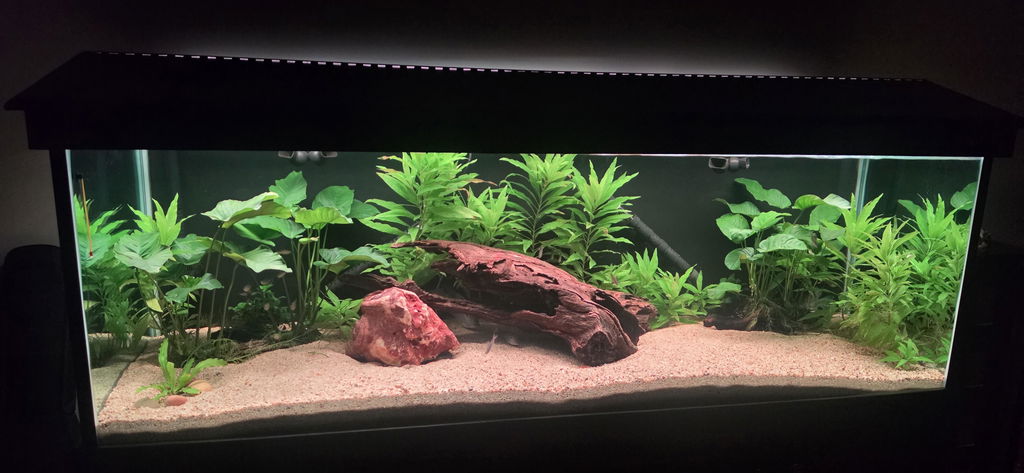
Ambulia
$15.00

Hand-selected, acclimated and inspected by our team under strict biosecurity monitoring - so it arrives healthy, settled and ready to thrive. Our biosecurity →
| Tasmania | NO |
| Western Australia | NO |
| Northern Territory | NO |
| All Other States | YES |
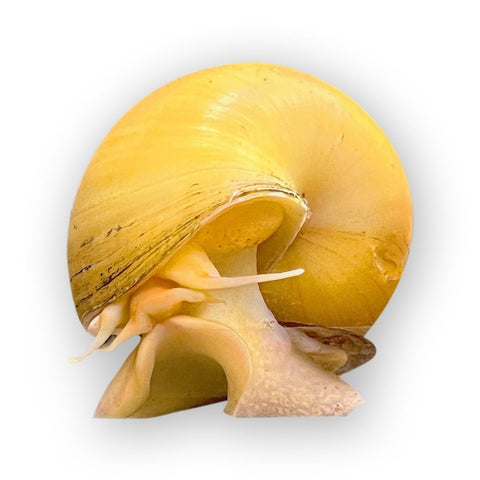
The Ramshorn Snail is one of the most popular and beneficial freshwater aquarium snails, recognised by its distinctive flat, spiral-shaped shell that resembles the horns of a ram. Available in a wide range of colours including red, blue, pink, brown, leopard, and gold, Ramshorn Snails are excellent algae grazers and scavengers, making them a valuable addition to planted aquariums, shrimp tanks, and community aquariums.
These peaceful snails spend their day cleaning aquarium glass, plants, driftwood, rocks, and decorations by feeding on soft algae, biofilm, decaying plant material, and leftover fish food. While they help keep aquariums clean, they generally do not damage healthy aquatic plants, making them ideal for aquascapes.
Ramshorn Snails thrive in mature aquariums with stable water parameters and plenty of natural biofilm. Their hardy nature makes them suitable for beginners, while their attractive shell colours make them equally appealing to experienced aquarists. They coexist peacefully with shrimp and most community fish, although they should not be housed with snail-eating species such as Puffers, many Loaches, or Assassin Snails.
A varied diet of natural algae, biofilm, algae wafers, blanched vegetables, spirulina foods, and occasional calcium-rich supplements will promote healthy shell growth and vibrant colouration.
Hardy, colourful, and highly beneficial, the Ramshorn Snail is an excellent clean-up crew member for almost any freshwater aquarium.
Planorbidae spp.
Ramshorn Snail
Worldwide
1–2.5 cm
Peaceful
Herbivore / Omnivore
10 Litres
20–28°C
7.0–8.2
6–20 dGH
Beginner
1–2 Years
Planted aquariums, shrimp tanks, nano aquariums, and freshwater community aquariums
Yes. Ramshorn Snails are excellent members of a clean-up crew, helping to consume algae, biofilm, leftover food, and decaying plant matter while leaving healthy plants largely untouched.
Yes. Given abundant food and favourable conditions, they can reproduce rapidly. Controlling feeding and maintaining good aquarium hygiene will naturally limit population growth.
They feed on algae, biofilm, leftover fish food, decaying plant material, algae wafers, spirulina foods, and blanched vegetables such as zucchini and spinach.
Absolutely. Ramshorn Snails are completely peaceful and make excellent companions for Cherry Shrimp, Caridina shrimp, Amano Shrimp, and other freshwater shrimp species.
A pale or eroding shell is usually caused by low calcium levels or soft, acidic water. Providing calcium-rich foods or mineral supplements and maintaining appropriate water hardness will encourage healthy shell growth.
Excess food can lead to a rapid increase in the Ramshorn Snail population. Feed only what your fish and shrimp can consume.
Puffers, many Loaches, some Cichlids, and Assassin Snails will prey on Ramshorn Snails.
Calcium is essential for healthy shell development. Crushed coral, cuttlebone, or specialised mineral supplements can help maintain strong shells.
While excellent grazers, Ramshorn Snails won't eliminate every type of algae and should be viewed as part of an overall aquarium maintenance routine.
Although hardy, they benefit from stable water parameters and regular maintenance for long-term health.
Livestock is dispatched with heat/cool packs and oxygen from our Melbourne facility, timed for the safest transit. Live arrivals may be scheduled for the best shipping window. A live arrival guarantee applies - contact us within the required window if anything is not right.
We stand behind everything we sell. If something is not right, get in touch and we will make it right. See our returns policy for the details.
This animal has been hand-selected, acclimated and inspected before sale. We still recommend acclimating slowly at home - inverts are sensitive to sudden parameter swings. Our team is happy to talk you through the right setup - just ask.
Choose size

Choose size

Choose size
Husbandry // Freshwater · Invertebrate
Overnight priority · biosecurity rules apply