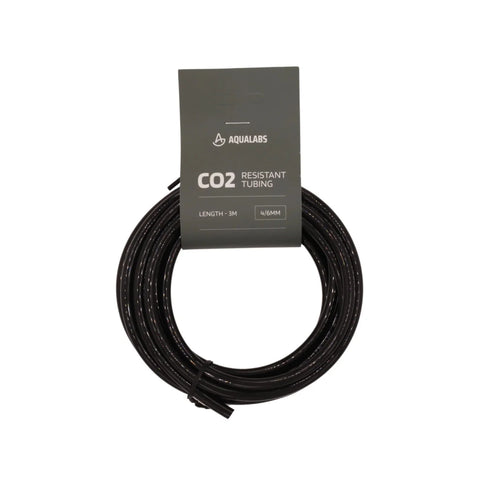
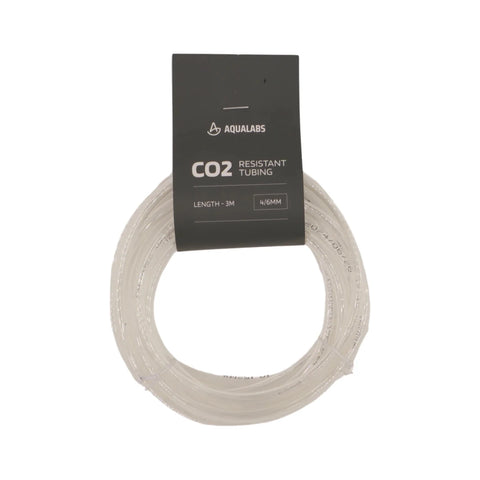
AquaLabs CO2 Resistant Tubing
$20.00
Choose colour
Every fish passes through our dedicated quarantine system and strict biosecurity monitoring before sale - so it arrives healthy, settled and ready to thrive. How we quarantine →
| Tasmania | YES |
| Western Australia | YES |
| Northern Territory | NO |
| All Other States | YES |
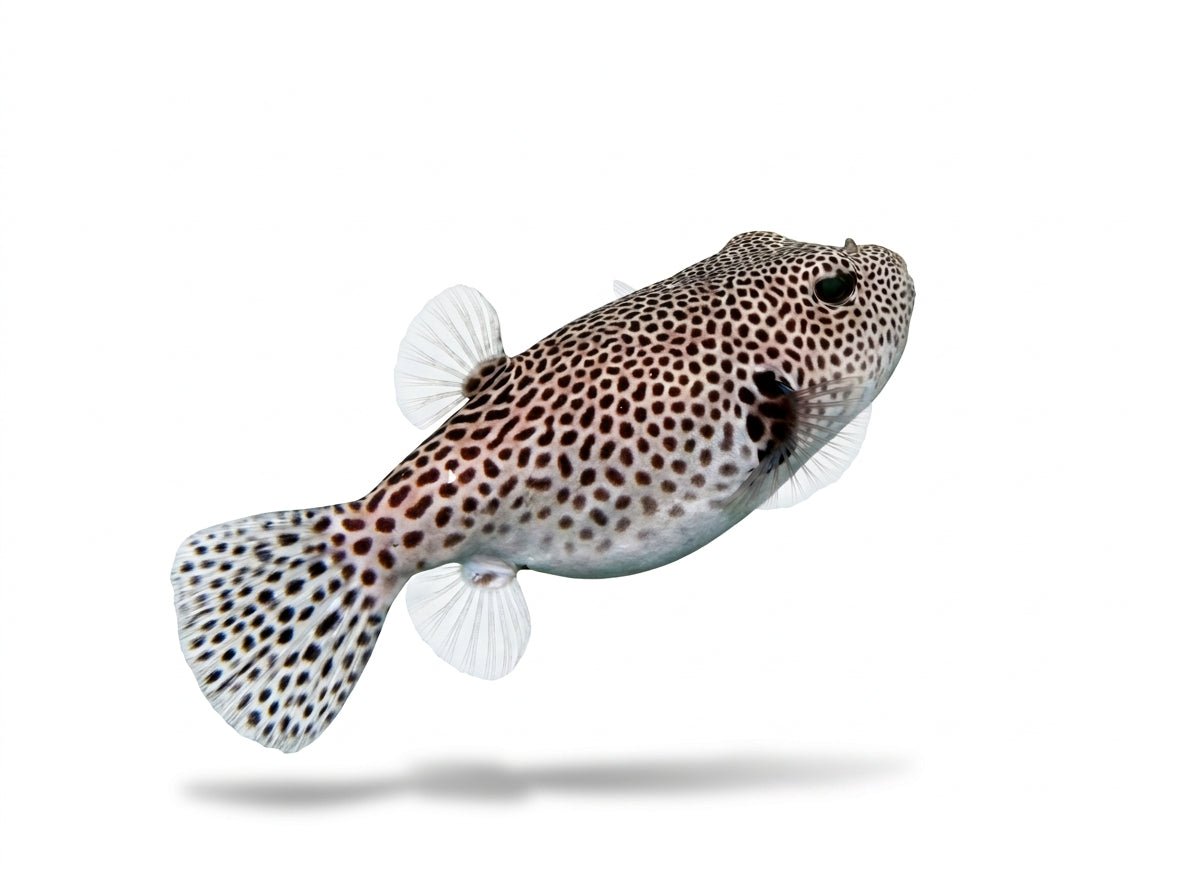
The Starry Pufferfish (Arothron stellatus), also known as the Stellate Puffer or Starry Blowfish, is a spectacular large marine pufferfish recognised for its distinctive spotted appearance, rounded body shape and impressive adult size.
Belonging to the family Tetraodontidae, this species is one of the largest members of the pufferfish family. Its unusual appearance and inquisitive behaviour make it a fascinating species for experienced marine aquarists and public aquarium displays.
Adult Starry Pufferfish typically display a pale grey, cream or whitish body covered in numerous small black spots. Larger dark markings are often visible around the pectoral fins and other areas of the body, creating the distinctive starry pattern from which the species gets its name.
Juveniles look considerably different from adults. Younger specimens commonly display orange or brown colouration with dark spots and distinctive dark stripes across the underside. These markings gradually change as the fish matures, eventually developing into the characteristic spotted adult appearance.
Natural Habitat and Behaviour
The Starry Pufferfish is widely distributed throughout tropical and subtropical regions of the Indo-Pacific, including the Red Sea, East Africa, Indonesia, northern Australia and the wider Pacific.
In Australia, it occurs along tropical northern coastlines and extends south along parts of the eastern and western coastline.
Juveniles are commonly found in shallow coastal environments, seagrass areas, sandy habitats and estuaries. Adults generally inhabit clear lagoons, coral reef slopes and deeper offshore reef environments.
Starry Puffers are generally solitary fish that spend much of their time exploring the reef and searching for food. They are relatively slow swimmers but are capable of moving quickly when feeding or disturbed.
Like other puffers, they possess the ability to inflate their bodies by taking in water when threatened. Their bodies are also covered in small defensive prickles, which become more noticeable when the fish inflates.
Aquarium Suitability and Compatibility
The Starry Pufferfish is a highly specialised marine species that requires exceptionally large accommodation. It is important to understand its potential adult size before purchasing a juvenile specimen.
This species can reach approximately 120 cm in length, making it unsuitable for ordinary domestic marine aquariums. Long-term accommodation requires facilities on a public-aquarium scale.
It is not considered reef safe. Its natural diet includes crustaceans, sea urchins, sponges, molluscs, coral and algae, meaning ornamental invertebrates and corals are at risk.
Potential tank mates would need to be carefully selected for compatible size, temperament and feeding requirements. Small fish and ornamental invertebrates may become prey.
Feeding and Nutrition
Starry Pufferfish are carnivorous omnivores with a varied natural diet consisting of marine invertebrates and other reef-associated food sources.
In their natural environment, they consume:
Sea urchins.
Crabs and other crustaceans.
Molluscs and shellfish.
Marine sponges.
Coral material.
Marine algae.
In captivity, a varied diet of suitable marine seafood and hard-shelled invertebrates is important. Appropriate foods may include mussels, clams, prawns, crab and squid.
Hard-shelled foods are particularly useful for encouraging natural feeding behaviour and helping maintain their continuously growing beak-like teeth.
Avoid feeding exclusively soft seafood, as inadequate natural tooth wear can contribute to excessive beak growth.
Aquarium Requirements
Due to their enormous potential adult size, Starry Pufferfish require exceptionally large marine systems with extensive swimming space, powerful filtration and excellent water quality.
A naturalistic environment with sturdy rockwork, open swimming areas and suitable feeding opportunities is recommended.
Their substantial adult size and carnivorous feeding habits create a significant biological load, making strong mechanical and biological filtration essential.
They should only be considered by facilities capable of accommodating their full adult requirements.
Never deliberately provoke a Starry Pufferfish into inflating. Inflation is a defensive response and should not be encouraged.
Important: Pufferfish Toxicity
Starry Pufferfish are reported to be extremely poisonous. Tetrodotoxin may occur in various body tissues, with toxicity varying according to location and season. They must never be consumed or treated as food fish.
Species Information
|
Care Requirement |
Details |
|---|---|
|
Common Name |
Starry Pufferfish |
|
Alternative Names |
Stellate Puffer / Starry Blowfish |
|
Scientific Name |
Arothron stellatus |
|
Family |
Tetraodontidae |
|
Origin |
Indo-Pacific |
|
Australian Distribution |
Tropical northern Australia |
|
Care Level |
Advanced / Specialist |
|
Adult Size |
Up to 120 cm |
|
Minimum Aquarium |
No suitable domestic minimum established |
|
Temperature |
24–27°C |
|
pH |
8.1–8.4 |
|
Specific Gravity |
1.023–1.026 |
|
Diet |
Carnivore / Omnivore |
|
Temperament |
Semi-aggressive |
|
Swimming Level |
All levels |
|
Reef Compatibility |
Not reef safe |
|
Aquarium Type |
Marine Fish Only |
|
Social Behaviour |
Generally solitary |
|
Toxicity |
Potentially highly toxic |
Recommended Aquarium Setup
Public-aquarium-scale accommodation.
Extensive open swimming space.
Powerful biological and mechanical filtration.
Efficient protein skimming.
Stable tropical marine water conditions.
Suitable hard-shelled marine foods.
Carefully selected large tank mates.
Adult size is supported by Australian Museum and FishBase records. The temperature and water chemistry figures are general tropical marine husbandry targets, not a verified species-specific captive-care standard.
1. How big does a Starry Pufferfish grow?
The Starry Pufferfish can reach approximately 120 cm in length, making it one of the largest pufferfish species. Its potential adult size is a major consideration when planning long-term accommodation.
2. Why does a juvenile Starry Pufferfish look different from an adult?
Juveniles typically display orange or brown colouration with dark spots and stripes across their underside. As they mature, these markings change into the pale body and dense black spotting characteristic of adults.
3. Is the Starry Pufferfish reef safe?
No. Its natural diet includes crustaceans, molluscs, sea urchins, sponges and coral material. It is unsuitable for conventional reef aquariums.
4. What does a Starry Pufferfish eat?
They consume a variety of marine invertebrates, including crabs, molluscs and sea urchins, alongside sponges, coral material and algae. Captive diets should include appropriately sized marine seafood and hard-shelled foods.
5. Can Starry Pufferfish live with other marine fish?
Potentially, but tank mates must be carefully selected based on adult size and compatibility. Smaller fish and ornamental invertebrates may be eaten.
6. Are Starry Pufferfish poisonous?
Yes. This species can contain tetrodotoxin, a potent neurotoxin. Toxicity varies between individuals and geographical locations. They should never be consumed or handled unnecessarily.
1. Underestimating their adult size: Juveniles can be deceptively small, but adults can reach 120 cm. Their eventual size must be considered before acquisition.
2. Keeping them in ordinary home aquariums: Their enormous adult size makes standard domestic aquarium accommodation unsuitable.
3. Assuming they are reef safe: Their natural feeding behaviour puts corals, shrimp, crabs, snails and other invertebrates at risk.
4. Feeding exclusively soft foods: A diet lacking suitable hard-shelled foods can contribute to excessive beak growth.
5. Deliberately encouraging inflation: This is a defensive stress response and should never be triggered for entertainment.
6. Ignoring their toxicity: Starry Pufferfish can contain dangerous tetrodotoxin. Never consume them or handle them unnecessarily.
Livestock is dispatched with heat/cool packs and oxygen from our Melbourne facility, timed for the safest transit. Live arrivals may be scheduled for the best shipping window. A live arrival guarantee applies - contact us within the required window if anything is not right.
We stand behind everything we sell. If something is not right, get in touch and we will make it right. See our returns policy for the details.
This fish has been through our dedicated quarantine system and is feeding, settled and health-checked before sale. We still recommend acclimating slowly and quarantining new additions at home. Our team is happy to talk you through the right setup - just ask.
Choose colour
Choose type
Choose size

Choose type

Choose size