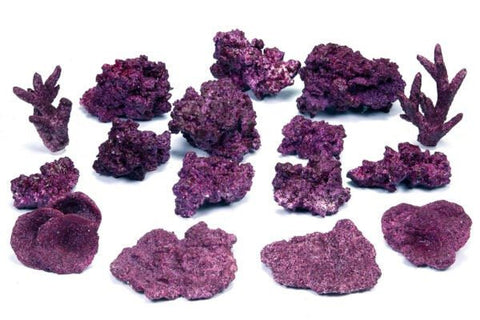
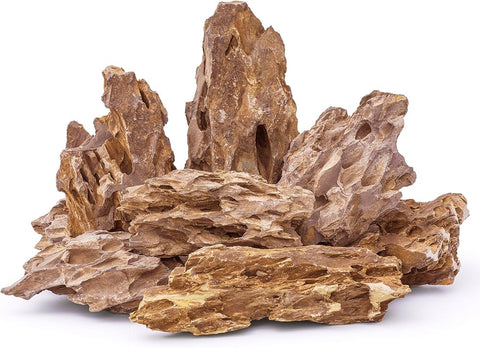
Real Reef Rocks
From $2.80
Choose type

Every fish passes through our dedicated quarantine system and strict biosecurity monitoring before sale - so it arrives healthy, settled and ready to thrive. How we quarantine →
| Tasmania | NO |
| Western Australia | NO |
| Northern Territory | NO |
| All Other States | YES |
The Wild Loxozonus Corydoras is a beautiful and uncommon South American catfish, instantly recognised by its broad black band that runs diagonally beneath the dorsal fin, contrasting beautifully against its cream to golden body. Often referred to as the "Flag Cory", this elegant species is highly sought after by Corydoras collectors and aquascaping enthusiasts for its unique markings, peaceful temperament, and fascinating social behaviour.
Native to the upper Amazon River Basin throughout Colombia and neighbouring regions, Wild Loxozonus Corydoras inhabit slow-moving streams, flooded forests, and tributaries with soft sandy substrates, leaf litter, and submerged driftwood. Wild-caught specimens display richer colouration and sharper patterning than captive-bred fish, making them especially desirable.
Like all Corydoras, Wild Loxozonus are highly social and should be kept in groups. They spend their day actively foraging through the substrate using their sensitive barbels in search of small invertebrates and leftover food. A mature aquarium with fine sand, driftwood, plants, and excellent water quality will allow them to thrive.
A varied diet of quality sinking pellets, Corydoras wafers, frozen bloodworms, blackworms, baby brine shrimp, daphnia, and other live or frozen foods will maintain excellent health and vibrant natural colouration.
Peaceful, active, and full of character, the Wild Loxozonus Corydoras is a fantastic addition to planted aquariums and South American biotope displays.
Corydoras loxozonus
Wild Loxozonus Corydoras
Upper Amazon Basin (Colombia)
5–6 cm
Peaceful
Omnivore
75 Litres
22–27°C
6.0–7.5
2–12 dGH
Beginner to Intermediate
8–10 Years
Planted aquariums, Amazon biotopes, and peaceful community tanks
Wild Loxozonus Corydoras are schooling fish and should always be kept in groups of at least 6, although groups of 8–10 provide the best natural behaviour and confidence.
Yes. They are extremely peaceful and make ideal companions for tetras, rasboras, dwarf cichlids, pencilfish, hatchetfish, and other South American community species.
They thrive on quality sinking pellets, Corydoras wafers, frozen bloodworms, blackworms, baby brine shrimp, daphnia, and other live or frozen foods.
Yes. Fine sand is highly recommended as it allows them to forage naturally without damaging their delicate barbels.
Yes. They are peaceful and generally safe with Cherry Shrimp, Amano Shrimp, and other dwarf shrimp. Very small shrimplets may occasionally be eaten but are usually ignored.
Wild Loxozonus Corydoras are social fish and become shy or stressed when kept in groups smaller than six.
Sharp gravel can damage their sensitive barbels. Fine sand is the ideal substrate.
They require regular feeding with quality sinking foods and should not rely solely on uneaten food from other fish.
Wild specimens are particularly sensitive to deteriorating water quality. Regular maintenance and stable conditions are essential.
Choose peaceful community species that won't harass or outcompete these gentle bottom dwellers.
Livestock is dispatched with heat/cool packs and oxygen from our Melbourne facility, timed for the safest transit. Live arrivals may be scheduled for the best shipping window. A live arrival guarantee applies - contact us within the required window if anything is not right.
We stand behind everything we sell. If something is not right, get in touch and we will make it right. See our returns policy for the details.
This fish has been through our dedicated quarantine system and is feeding, settled and health-checked before sale. We still recommend acclimating slowly and quarantining new additions at home. Our team is happy to talk you through the right setup - just ask.
Choose type
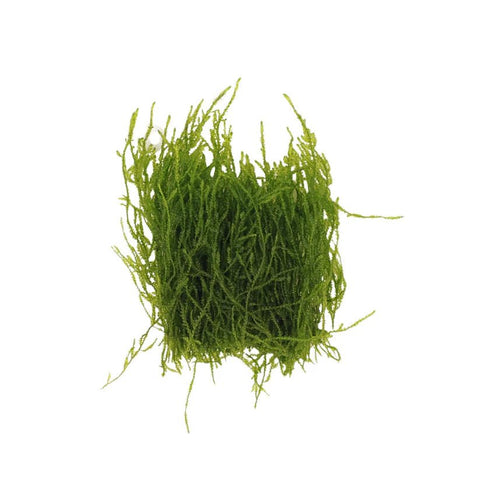
Choose type
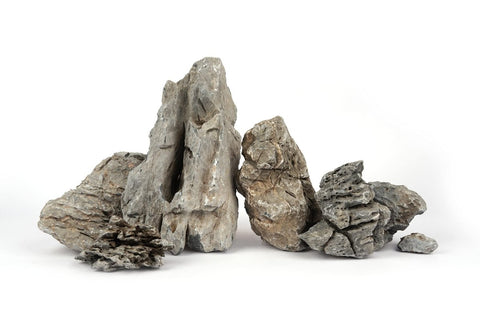
Choose amount
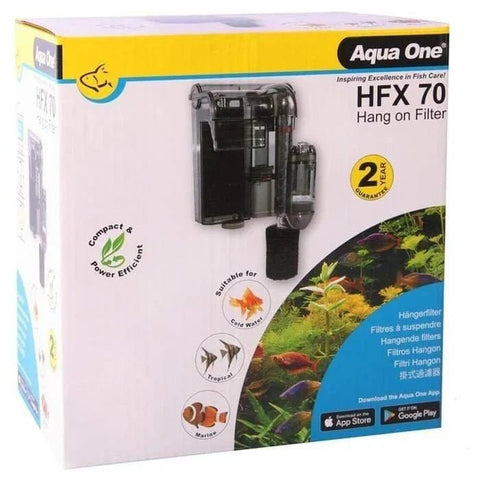
Choose size
Choose size
