Sold out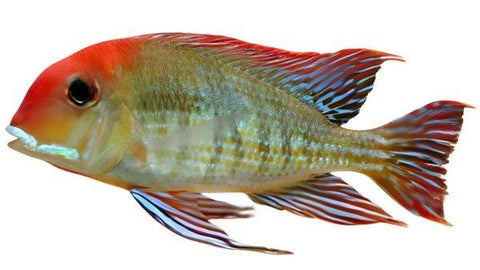
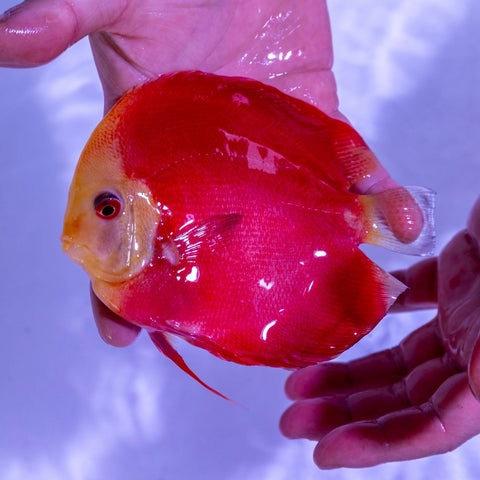
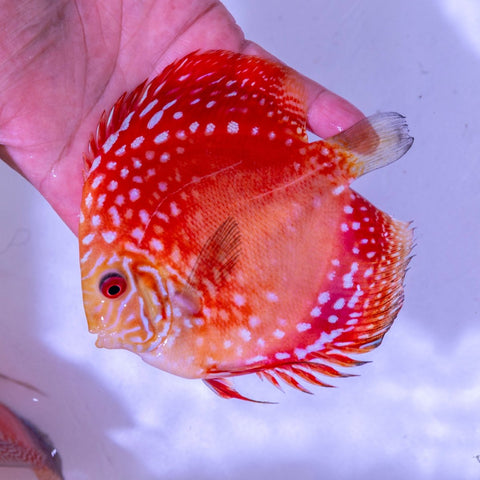
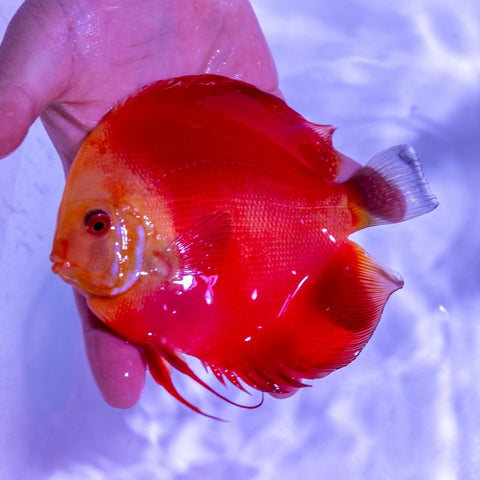
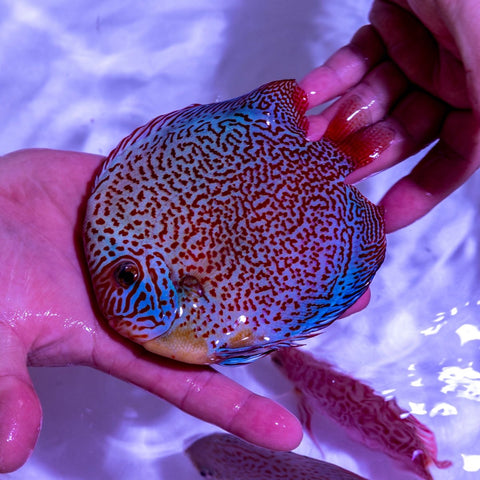
Red Head Tapajo Cichlid
$20.00

Every fish passes through our dedicated quarantine system and strict biosecurity monitoring before sale - so it arrives healthy, settled and ready to thrive. How we quarantine →
| Tasmania | NO |
| Western Australia | NO |
| Northern Territory | NO |
| All Other States | YES |
Assorted Angelfish (Pterophyllum scalare) are among the most recognisable freshwater aquarium fish, admired for their tall, elegant bodies, flowing fins and impressive range of colours and patterns. This assortment may include gold, silver, black, marble, koi and other selectively bred varieties, with each fish offering its own distinctive appearance.
Native to tropical South America, including the Amazon River basin, freshwater angelfish naturally inhabit slow-moving waters with submerged roots, aquatic vegetation and sheltered areas. Selective breeding has produced a wide range of ornamental colour forms, making assorted angelfish a popular centrepiece for larger freshwater aquariums.
Angelfish have a distinctive, laterally compressed body with long dorsal and anal fins that create their characteristic triangular silhouette. Depending on the variety, their markings may include vertical black stripes, metallic silver scales, golden tones, mottled marble patterns or contrasting patches of orange, white and black.
Assorted Angelfish are graceful swimmers that spend most of their time in the middle levels of the aquarium. They are generally manageable in a community tank when young, but as they mature they can become territorial, particularly when forming pairs or protecting eggs.
A tall aquarium of around 200 litres or larger is recommended for a group of growing or adult angelfish, with additional space needed depending on stocking and compatibility. Aim for an aquarium approximately 45–50 cm tall or more to accommodate their long fins and adult body shape.
Create a natural environment with tall aquatic plants, driftwood, broad leaves and open swimming areas. Gentle to moderate water flow is preferable, and reliable filtration is important to maintain good water quality.
Angelfish are omnivores that readily accept a varied diet. Offer quality tropical flakes, floating or sinking cichlid pellets, and frozen or live foods such as brine shrimp, daphnia and bloodworms.
Feed once or twice daily in portions that can be consumed within a few minutes. Young fish may benefit from smaller, more frequent meals to support healthy growth. A varied diet helps maintain body condition, colouration and fin development.
Assorted Angelfish can suit larger community aquariums with appropriately sized, peaceful fish. Potential companions include larger tetras, peaceful gouramis, corydoras catfish and bristlenose catfish, provided their water requirements are compatible.
Avoid very small fish that may be eaten as the angelfish mature, particularly tiny schooling fish and newly hatched fry. Fin-nipping species and aggressive tankmates can also cause problems. If keeping several angelfish together, monitor their behaviour as they mature, since established pairs may defend a territory aggressively.
Maintain stable, warm freshwater conditions and perform regular partial water changes. With suitable space, compatible tankmates and a nutritious diet, assorted angelfish make an impressive centrepiece for a planted freshwater aquarium.
|
Care requirement |
Details |
|---|---|
|
Scientific name |
Pterophyllum scalare |
|
Common name |
Assorted Angelfish, Freshwater Angelfish |
|
Family |
Cichlidae |
|
Origin |
Tropical South America, including the Amazon basin |
|
Care level |
Moderate |
|
Adult size |
Up to approximately 15 cm body length; 20–25 cm tall including fins |
|
Minimum aquarium size |
Around 200 litres recommended for a group |
|
Temperature |
24–29°C |
|
pH |
6.0–7.5 |
|
Water hardness |
Soft to moderately hard |
|
Diet |
Omnivore |
|
Temperament |
Generally peaceful when young; territorial as adults |
|
Swimming level |
Mid-water |
|
Social requirements |
Can be kept in groups with sufficient space; monitor pairing behaviour |
|
Compatibility |
Medium-sized peaceful community fish |
|
Aquarium type |
Freshwater tropical, planted or community aquarium |
|
Lifespan |
Approximately 8–10 years with good care |
|
Special requirements |
Tall aquarium, stable warm water and compatible tankmates |
Care guidelines are based on the common freshwater angelfish, Pterophyllum scalare. Assorted colour varieties share the same basic care requirements.
They can reach approximately 15 cm in body length and 20–25 cm in total height, including their extended fins. Allow enough vertical swimming space for their adult size.
They can be suitable for aquarists with some experience or beginners prepared to provide a sufficiently large, warm and well-maintained aquarium. Their adult size and territorial behaviour need to be considered before purchase.
They accept tropical flakes, cichlid pellets, frozen foods and suitable live foods. Providing a varied diet supports healthy growth and vibrant colouration.
Small fish may be eaten as angelfish mature, particularly species small enough to fit into their mouths. Choose tankmates carefully and avoid assuming that peaceful behaviour towards larger fish means all small fish are safe.
Yes, provided the aquarium is sufficiently large. However, angelfish may form pairs and become territorial as they mature, so monitor chasing and aggression and be prepared to separate incompatible fish.
Yes. They look particularly impressive among tall plants and driftwood. Provide open swimming areas and avoid overcrowding the aquarium with decorations.
1. Choosing a tank that is too short: Angelfish grow tall and need sufficient vertical swimming space. Choose a suitably tall aquarium rather than judging capacity by litres alone.
2. Keeping them with tiny fish: Small schooling fish and fry may become prey as angelfish mature. Select tankmates based on adult size.
3. Ignoring territorial behaviour: Adults can become aggressive when pairing or breeding. Monitor interactions and provide enough space to establish separate territories.
4. Feeding an unvaried diet: Relying exclusively on one food type may limit dietary variety. Combine quality prepared foods with suitable frozen or live foods.
5. Allowing water quality to deteriorate: Angelfish need clean, stable water. Maintain filtration, test water parameters and perform regular partial water changes.
6. Mixing them with fin-nipping fish: Their long fins can be damaged by persistent fin-nippers. Choose peaceful companions and monitor fin condition.
Livestock is dispatched with heat/cool packs and oxygen from our Melbourne facility, timed for the safest transit. Live arrivals may be scheduled for the best shipping window. A live arrival guarantee applies - contact us within the required window if anything is not right.
We stand behind everything we sell. If something is not right, get in touch and we will make it right. See our returns policy for the details.
This fish has been through our dedicated quarantine system and is feeding, settled and health-checked before sale. We still recommend acclimating slowly and quarantining new additions at home. Our team is happy to talk you through the right setup - just ask.