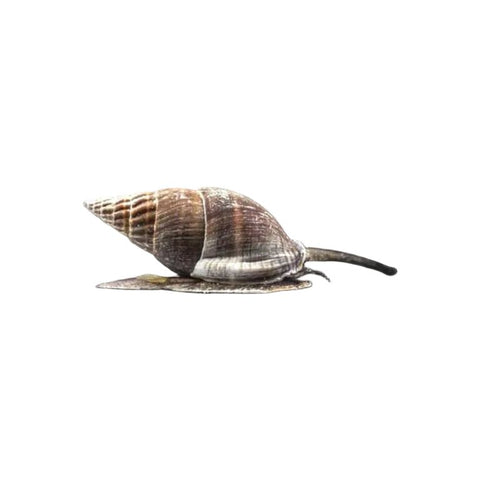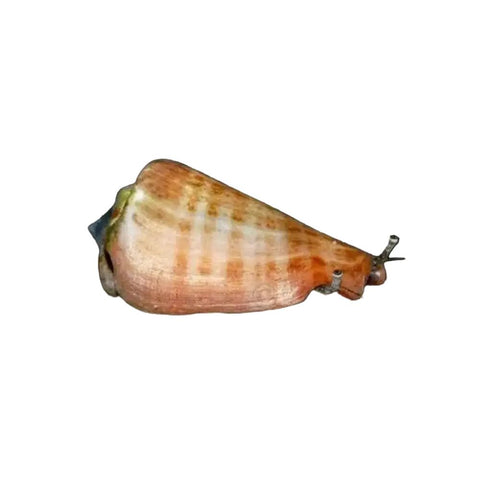
Strombus
$20.00

| Tasmania | NO |
| Western Australia | NO |
| Northern Territory | NO |
| All Other States | YES |
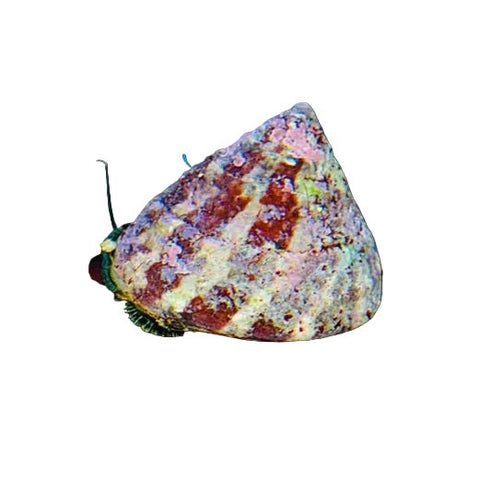
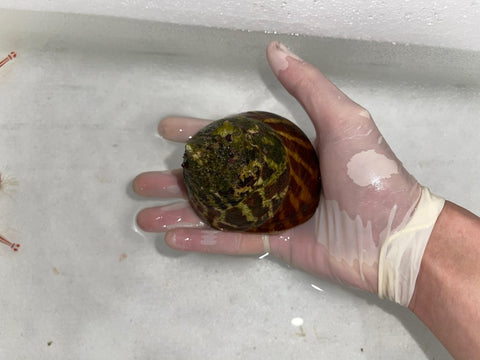
The Astrea Snail is a popular marine clean-up crew member and an excellent algae grazer for established reef aquariums. With its distinctive conical shell and strong grazing behaviour, it spends its time moving across aquarium glass, rockwork and other hard surfaces searching for algae and biofilm.
Astrea Snails are particularly useful for controlling film algae, diatoms and softer green algae. They are peaceful, reef safe and require little care once established.
Unlike some other snails, Astrea Snails can struggle to right themselves if they fall onto their backs. Regularly checking the aquarium and turning them over when necessary can help prevent them from becoming stressed or dying.
They primarily graze on algae, diatoms and biofilm found on aquarium glass, rocks and other hard surfaces.
Yes. They are considered reef safe and are commonly used in marine clean-up crews.
Yes. Their grazing behaviour makes them useful for controlling algae and film on aquarium glass.
Astrea Snails can have difficulty righting themselves. If you find one upside down, carefully turn it back onto its foot.
Astrea Snails need an established source of algae and should be stocked according to the aquarium's available food.
Check regularly and right overturned snails where necessary.
They are effective grazers, but established hair algae may require additional control methods.
Excessive feeding can reduce the natural algae available to the clean-up crew and contribute to nutrient problems.
Large wrasses, crabs and other predatory livestock may prey on Astrea Snails.
Dispatched from our Melbourne facility, usually within 1-2 business days. Delivery time and cost are calculated at checkout based on your address.
We stand behind everything we sell. If something is not right, get in touch and we will make it right. See our returns policy for the details.