Sold out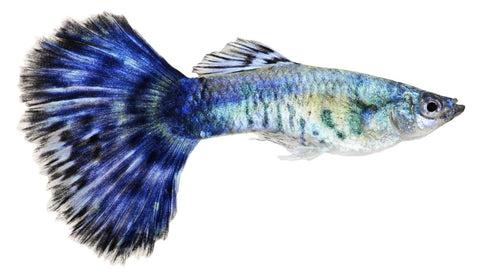
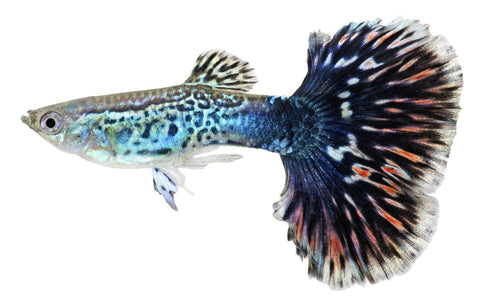
Assorted Guppy
From $7.00

Every fish passes through our dedicated quarantine system and strict biosecurity monitoring before sale - so it arrives healthy, settled and ready to thrive. How we quarantine →
| Tasmania | NO |
| Western Australia | NO |
| Northern Territory | NO |
| All Other States | YES |
The Costae Tetra (Moenkhausia costae) is a peaceful and active South American schooling fish from Brazil. It has a sleek silver to golden body with subtle iridescence and a distinctive dark marking running along the rear of the body and into the tail.
A relatively underrated tetra, the Costae is an excellent choice for community aquariums where its constant movement and schooling behaviour can really shine. It is hardy and adaptable once established, making it suitable for both newer and experienced aquarists.
Keep them in a group of at least 6–8, with larger schools producing more natural behaviour and a more impressive display. They look particularly good against planted backgrounds with open swimming space.
They are omnivorous and readily accept quality flakes, micro pellets and appropriately sized frozen foods.
They can reach approximately 5–7 cm as adults.
Keep them in a group of at least 6, although 8–12 or more is preferable for stronger schooling behaviour.
Yes. They are generally peaceful community fish, although their active nature means they are best kept with other similarly sized and active species.
They accept quality flakes, micro pellets and granules, with frozen or live foods such as brine shrimp and bloodworms providing useful variety.
Yes. Their metallic body colouration contrasts beautifully against green plants, while dense vegetation provides security around the edges of the aquarium.
Absolutely. They make excellent companions for other peaceful South American tetras and similarly sized community fish.
Livestock is dispatched with heat/cool packs and oxygen from our Melbourne facility, timed for the safest transit. Live arrivals may be scheduled for the best shipping window. A live arrival guarantee applies - contact us within the required window if anything is not right.
We stand behind everything we sell. If something is not right, get in touch and we will make it right. See our returns policy for the details.
This fish has been through our dedicated quarantine system and is feeding, settled and health-checked before sale. We still recommend acclimating slowly and quarantining new additions at home. Our team is happy to talk you through the right setup - just ask.
Choose size