Sold out
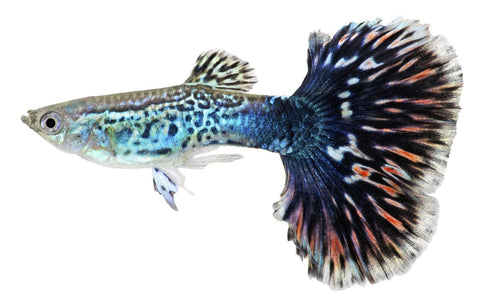
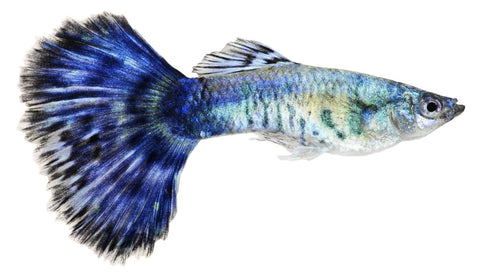
Blue Snakeskin Guppy (Pair)
$20.00

Every fish passes through our dedicated quarantine system and strict biosecurity monitoring before sale - so it arrives healthy, settled and ready to thrive. How we quarantine →
| Tasmania | NO |
| Western Australia | NO |
| Northern Territory | NO |
| All Other States | YES |
The Glass Bloodfin Tetra is a striking South American schooling fish, admired for its almost transparent silver body and vivid blood-red fins. Native to the Amazon and Orinoco River basins, this active tetra brings constant movement and flashes of colour to planted aquariums and peaceful community tanks.
Unlike many other tetras, the Glass Bloodfin has a slender, translucent body that appears almost glass-like under aquarium lighting, allowing its bright red fins and metallic blue-green sheen to stand out beautifully. Their energetic schooling behaviour makes them a fantastic display fish, particularly when kept in larger groups.
Glass Bloodfin Tetras thrive in well-planted aquariums with driftwood, open swimming space, and gentle water flow. They are peaceful and mix well with other tetras, rasboras, Corydoras, rainbowfish, dwarf cichlids, gouramis, and other community fish. A varied diet of premium flakes, micro pellets, frozen bloodworms, brine shrimp, daphnia, and live foods will maximise their colour and overall health.
Hardy, active, and easy to care for, the Glass Bloodfin Tetra is an excellent choice for beginners and experienced aquarists alike.
Prionobrama filigera
Glass Bloodfin Tetra
Amazon and Orinoco River Basins, South America
5–6 cm
Peaceful
Omnivore
75 Litres
23–28°C
6.0–7.5
2–15 dGH
Beginner
4–6 Years
Community aquariums and planted tanks
Glass Bloodfin Tetras are schooling fish and should always be kept in groups of at least six, although groups of ten or more display the best schooling behaviour.
No. They are peaceful community fish that coexist well with other small tropical species.
They readily accept quality flakes, micro pellets, frozen bloodworms, brine shrimp, daphnia, and other small live or frozen foods.
Yes. Adult shrimp are generally safe, although very small shrimplets may occasionally be eaten.
Poor water quality, stress, inadequate nutrition, or keeping too few fish can reduce their colour intensity. Stable water conditions and a varied diet will help maintain their vibrant appearance.
Glass Bloodfin Tetras are schooling fish and become stressed when kept in groups smaller than six.
Provide plenty of open swimming space so the school can move naturally.
Regular water changes and efficient filtration are essential for maintaining healthy, colourful fish.
A varied diet improves colouration, immune health, and breeding condition.
Choose peaceful tank mates that won't intimidate or outcompete these active schooling fish.
Livestock is dispatched with heat/cool packs and oxygen from our Melbourne facility, timed for the safest transit. Live arrivals may be scheduled for the best shipping window. A live arrival guarantee applies - contact us within the required window if anything is not right.
We stand behind everything we sell. If something is not right, get in touch and we will make it right. See our returns policy for the details.
This fish has been through our dedicated quarantine system and is feeding, settled and health-checked before sale. We still recommend acclimating slowly and quarantining new additions at home. Our team is happy to talk you through the right setup - just ask.
Choose gender