Sold out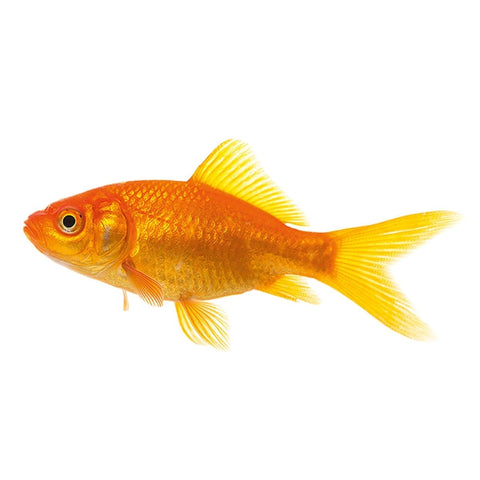
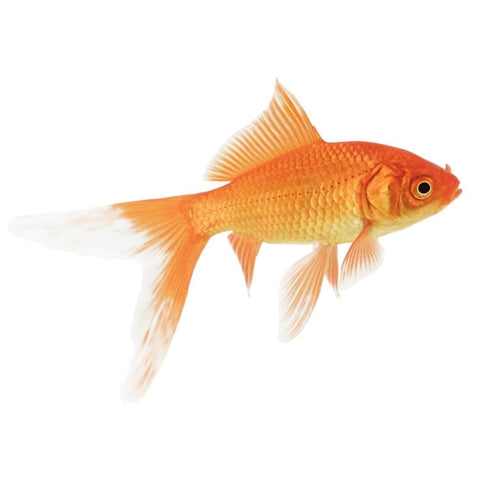
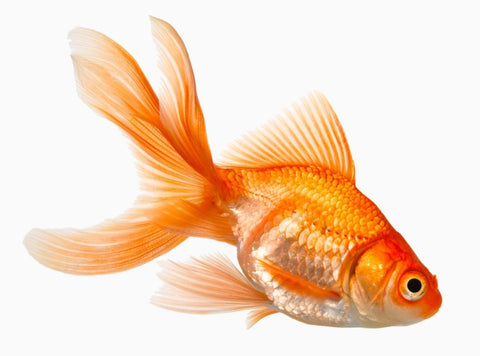
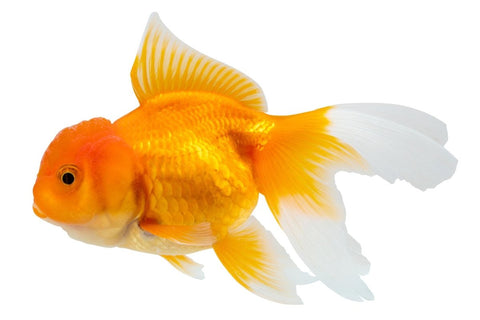
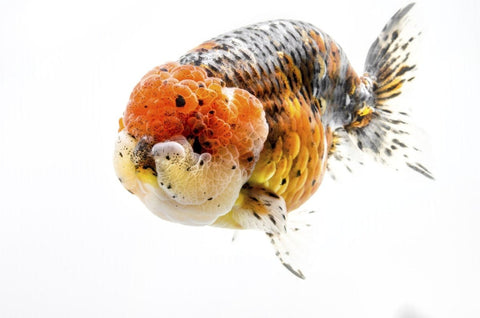
Comet Goldfish
$20.00

Every fish passes through our dedicated quarantine system and strict biosecurity monitoring before sale - so it arrives healthy, settled and ready to thrive. How we quarantine →
| Tasmania | NO |
| Western Australia | NO |
| Northern Territory | NO |
| All Other States | YES |
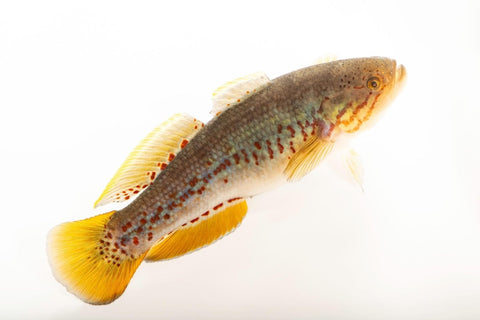
The Golden Perch, also known as the Yellowbelly, is one of Australia's most iconic native freshwater fish. Renowned for its striking golden-bronze colouration, powerful build, and inquisitive nature, this species is a favourite among native fish enthusiasts, pond keepers, and recreational anglers alike.
Native to the Murray-Darling River Basin and several inland river systems, Golden Perch are highly adaptable and thrive in large freshwater aquariums, ponds, and aquaculture systems with excellent filtration and plenty of swimming space. Juveniles display beautiful yellow and olive tones that intensify as they mature, while adults develop the characteristic deep golden body that gives the species its common name.
Golden Perch are opportunistic carnivores, feeding on insects, crustaceans, yabbies, worms, and smaller fish in the wild. In captivity, they readily accept quality native fish pellets alongside frozen and live foods. Due to their eventual size and predatory nature, they are best housed with similarly sized Australian native fish and should not be kept with small community species.
With proper care, the Golden Perch is a hardy, intelligent, and long-lived species that makes a spectacular centrepiece in large native aquariums or outdoor ponds.
Macquaria ambigua
Golden Perch (Yellowbelly)
Murray-Darling River Basin, Australia
40–60 cm (can exceed 70 cm)
Semi-peaceful
Carnivore
750 Litres (ponds recommended for adults)
18–28°C
6.5–8.0
5–20 dGH
Intermediate
15–20 Years
Large native aquariums, ponds, and aquaculture systems
They are hardy and relatively easy to care for but require very large aquariums or ponds as they mature, making them better suited to aquarists prepared for their long-term needs.
Most adults reach 40–60 cm, although some individuals can exceed 70 cm under ideal conditions.
They are carnivorous and enjoy quality native fish pellets, insects, worms, yabbies, shrimp, frozen foods, and small fish where appropriate.
Yes. They can be kept with other similarly sized Australian native species but should not be housed with fish small enough to fit in their mouth.
Absolutely. Outdoor ponds provide the ideal environment for adult Golden Perch, offering ample space and stable water conditions.
Golden Perch grow rapidly and require substantial swimming space throughout their lives.
As natural predators, they may consume smaller tank mates.
Their size and appetite produce significant waste, making powerful biological filtration essential.
A varied, protein-rich diet supports healthy growth and long-term wellbeing.
Golden Perch can live for many years, so they require a long-term commitment and appropriate housing.
Livestock is dispatched with heat/cool packs and oxygen from our Melbourne facility, timed for the safest transit. Live arrivals may be scheduled for the best shipping window. A live arrival guarantee applies - contact us within the required window if anything is not right.
We stand behind everything we sell. If something is not right, get in touch and we will make it right. See our returns policy for the details.
This fish has been through our dedicated quarantine system and is feeding, settled and health-checked before sale. We still recommend acclimating slowly and quarantining new additions at home. Our team is happy to talk you through the right setup - just ask.