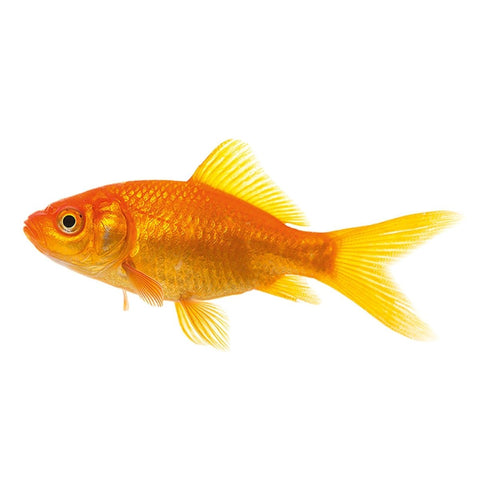
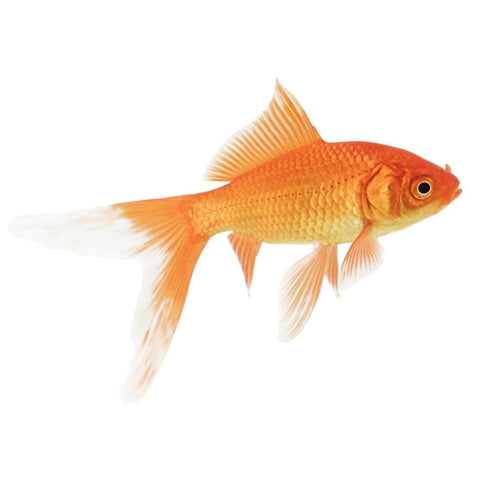
Comet Goldfish
$20.00

Every fish passes through our dedicated quarantine system and strict biosecurity monitoring before sale - so it arrives healthy, settled and ready to thrive. How we quarantine →
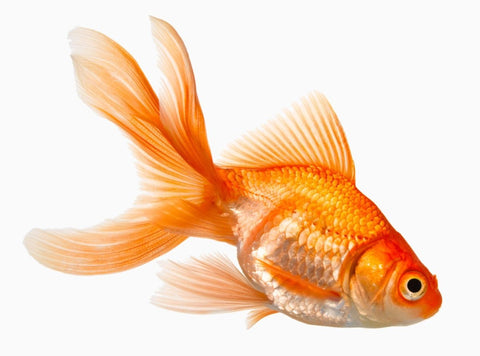
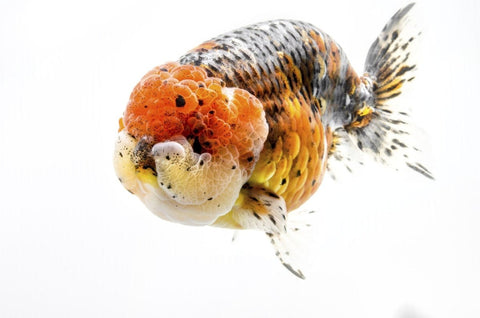
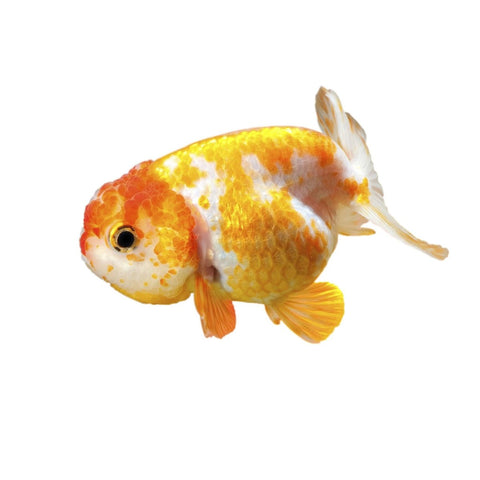
The Oranda Goldfish is one of the most iconic and elegant fancy goldfish varieties, loved for its graceful flowing fins and distinctive fleshy head growth known as a wen. Originating from selective breeding in Asia, Orandas are available in a wide range of colours including red, orange, white, black, calico, chocolate, blue, and the highly sought-after Red Cap variety.
Despite their luxurious appearance, Oranda Goldfish are hardy, friendly, and highly interactive. They quickly learn to recognise their owners and often swim to the front of the aquarium at feeding time. Their calm temperament makes them ideal companions for other fancy goldfish such as Ranchus, Lionheads, Ryukins, and Fantails.
Orandas require spacious aquariums with excellent filtration due to the amount of waste goldfish produce. Their large flowing fins and prominent wen make them slower swimmers, so they should be housed with other fancy goldfish rather than fast-swimming varieties. A varied diet of premium sinking goldfish pellets, gel foods, fresh vegetables, and frozen foods will promote healthy growth, vibrant colouration, and proper wen development.
Beautiful, intelligent, and full of personality, the Oranda Goldfish is one of the most rewarding fancy goldfish to keep.
Carassius auratus
Oranda Goldfish
Captive-bred ornamental variety originating from China and Japan
20–25 cm
Peaceful
Omnivore
150 Litres (for a pair)
18–24°C
6.8–7.8
5–18 dGH
Beginner
10–20 Years
Fancy goldfish aquariums and indoor ponds
The fleshy growth is called a wen. It is a natural feature of the breed and continues to develop as the fish matures.
No. Orandas prefer cooler water temperatures and should be kept with other fancy goldfish rather than tropical fish.
They thrive on premium sinking goldfish pellets, gel foods, blanched vegetables such as peas and spinach, frozen bloodworms, brine shrimp, and daphnia.
Most Orandas reach between 20 and 25 cm, with exceptional specimens growing even larger under ideal conditions.
Yes. Regular observation is important as the wen can occasionally become damaged or infected. Maintaining excellent water quality greatly reduces the risk of health issues.
Floating foods can increase the risk of buoyancy problems. High-quality sinking foods are recommended.
Common, Comet, and Shubunkin Goldfish often outcompete Orandas for food.
Goldfish produce significant waste and require powerful filtration and regular water changes.
Excess food can lead to obesity, digestive issues, and swim bladder disorders.
Oranda Goldfish require spacious, filtered aquariums and should never be kept in unfiltered bowls.
This product is for in-store purchase only. Available for in-store pickup.
We stand behind everything we sell. If something is not right, get in touch and we will make it right. See our returns policy for the details.
This fish has been through our dedicated quarantine system and is feeding, settled and health-checked before sale. We still recommend acclimating slowly and quarantining new additions at home. Our team is happy to talk you through the right setup - just ask.