Sold out
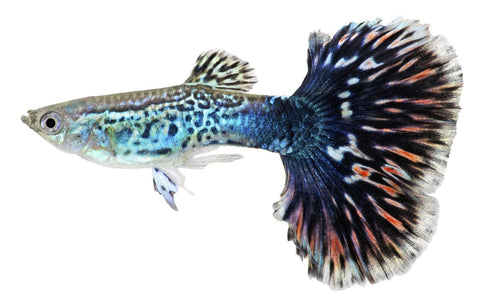
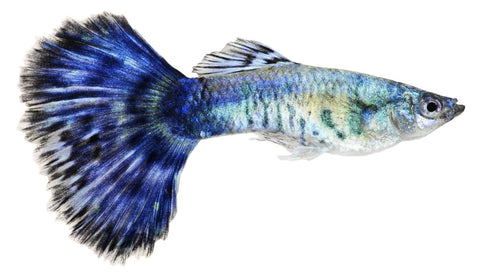
Blue Snakeskin Guppy (Pair)
$20.00

Every fish passes through our dedicated quarantine system and strict biosecurity monitoring before sale - so it arrives healthy, settled and ready to thrive. How we quarantine →
| Tasmania | NO |
| Western Australia | NO |
| Northern Territory | NO |
| All Other States | YES |
The Hengel's Rasbora is a graceful and colourful nano schooling fish, admired for its shimmering copper-orange body and brilliant fluorescent orange stripe that glows under aquarium lighting. Native to the blackwater streams, peat swamps, and forest waterways of Indonesia, Malaysia, and Borneo, this peaceful species is a favourite among aquascapers for its elegant appearance and calm temperament.
Often confused with the Harlequin and Lambchop Rasboras, Hengel's Rasbora is distinguished by its slimmer body, smaller black triangular marking, and vivid neon-orange lateral stripe. When kept in large schools, they create a spectacular display as they glide through planted aquariums in perfect synchrony.
Hengel's Rasboras thrive in mature aquariums with dense planting, driftwood, leaf litter, floating plants, and open swimming areas. They are highly social fish and should always be kept in groups of at least 8–10, although larger schools display the most natural behaviour and strongest colouration. Their peaceful temperament makes them excellent companions for Ember Tetras, Cardinal Tetras, Corydoras, Celestial Pearl Danios, Gouramis, Otocinclus, Pygmy Corydoras, and freshwater shrimp.
A varied diet of premium nano pellets, crushed flakes, baby brine shrimp, daphnia, microworms, cyclops, and other quality live or frozen foods will maximise their brilliant colours and maintain excellent health.
Elegant, hardy, and easy to care for, the Hengel's Rasbora is one of the finest schooling fish for planted aquariums and peaceful freshwater community tanks.
Trigonostigma hengeli
Hengel's Rasbora
Indonesia, Malaysia, and Borneo
3–4 cm
Peaceful
Omnivore
60 Litres
24–28°C
5.5–7.5
1–10 dGH
Beginner
4–6 Years
Planted aquariums, blackwater aquariums, nano community tanks, and shrimp aquariums
Hengel's Rasboras are schooling fish and should always be kept in groups of at least 8–10. Schools of 15 or more produce the most impressive display and encourage natural behaviour.
Yes. They are extremely peaceful and are ideal companions for other small community fish and freshwater shrimp.
They thrive on premium nano pellets, crushed flakes, baby brine shrimp, daphnia, microworms, cyclops, and other live or frozen foods.
Yes. They are excellent tank mates for Cherry Shrimp, Crystal Shrimp, Amano Shrimp, and other dwarf shrimp. Newly hatched shrimplets may occasionally be eaten, but adults are generally safe.
Hengel's Rasboras are smaller and slimmer than Harlequin Rasboras and feature a bright fluorescent orange stripe with a much smaller black triangular patch. Harlequins have a deeper body and a much larger black wedge marking.
Hengel's Rasboras become shy and less colourful when kept in groups smaller than eight.
Floating plants, driftwood, and dense planting help recreate their natural habitat and encourage vibrant colouration.
Their small mouths require fine pellets, crushed flakes, and appropriately sized live or frozen foods.
Stable water parameters, excellent filtration, and regular water changes are essential for long-term health.
Choose peaceful nano and community species that won't intimidate or prey on these small schooling fish.
Livestock is dispatched with heat/cool packs and oxygen from our Melbourne facility, timed for the safest transit. Live arrivals may be scheduled for the best shipping window. A live arrival guarantee applies - contact us within the required window if anything is not right.
We stand behind everything we sell. If something is not right, get in touch and we will make it right. See our returns policy for the details.
This fish has been through our dedicated quarantine system and is feeding, settled and health-checked before sale. We still recommend acclimating slowly and quarantining new additions at home. Our team is happy to talk you through the right setup - just ask.
Choose gender