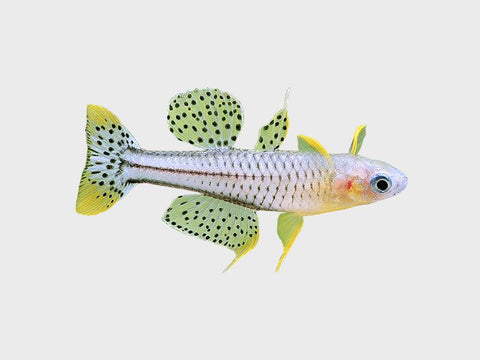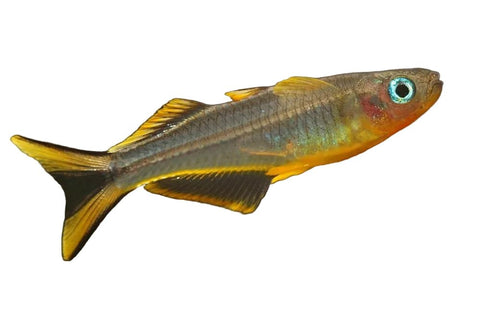
Fork-Tail Blue Eye (Pairs)
$45.00

Every fish passes through our dedicated quarantine system and strict biosecurity monitoring before sale - so it arrives healthy, settled and ready to thrive. How we quarantine →
| Tasmania | NO |
| Western Australia | NO |
| Northern Territory | NO |
| All Other States | YES |
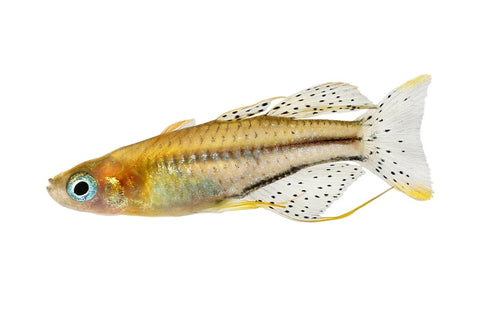
The Ivantsoff's Blue-eye is a rare and highly sought-after nano rainbowfish, celebrated for its brilliant electric blue eyes, delicate translucent body, and beautifully extended fins. Native to the coastal swamps and slow-moving freshwater habitats of southern New Guinea, this peaceful species is a favourite among aquascaping enthusiasts and collectors of Pseudomugil species.
Mature males are especially spectacular, displaying elongated dorsal and anal fins adorned with bright yellow, orange, and black highlights. During courtship, males perform elegant display dances, flaring their fins and intensifying their colours to attract females. Their vivid blue eyes and graceful movements make them a captivating feature in any planted aquarium.
Ivantsoff's Blue-eyes thrive in mature, heavily planted aquariums with floating plants, mosses, driftwood, and gentle water movement. They are highly social and should be kept in groups of at least 8–10, where they display natural schooling behaviour and become significantly more confident. Their peaceful temperament makes them excellent companions for Celestial Pearl Danios, Ember Tetras, Chili Rasboras, Strawberry Rasboras, Pygmy Corydoras, Otocinclus, Medaka, and freshwater shrimp.
A varied diet of premium nano pellets, crushed flakes, baby brine shrimp, microworms, vinegar eels, daphnia, cyclops, and other tiny live or frozen foods will maximise their colouration, health, and breeding behaviour.
Graceful, colourful, and full of personality, the Ivantsoff's Blue-eye is a superb choice for planted nano aquariums and peaceful freshwater community tanks.
Pseudomugil ivantsoffi
Ivantsoff's Blue-eye
Southern New Guinea
3–4 cm
Peaceful
Omnivore
40 Litres
24–28°C
6.5–7.8
3–15 dGH
Beginner
2–4 Years
Nano aquariums, planted tanks, shrimp aquariums, and peaceful community aquariums
Ivantsoff's Blue-eyes are schooling fish and should always be kept in groups of at least 8–10. Larger groups encourage natural display behaviour and improve confidence.
Yes. They are extremely peaceful and are ideal companions for other nano fish and freshwater shrimp.
They thrive on premium nano pellets, crushed flakes, baby brine shrimp, microworms, vinegar eels, daphnia, cyclops, and other tiny live or frozen foods.
Yes. They are excellent tank mates for Cherry Shrimp, Crystal Shrimp, Amano Shrimp, and other dwarf shrimp. Newly hatched shrimplets may occasionally be eaten, but adults are generally left alone.
Yes. They are continuous egg scatterers that readily spawn among fine-leaved plants, mosses, and spawning mops in well-maintained aquariums.
Ivantsoff's Blue-eyes become shy and lose their vibrant display behaviour when kept in insufficient numbers.
Their tiny mouths require appropriately sized foods such as micro pellets, crushed flakes, and small live or frozen foods.
Floating plants, dense vegetation, and subdued lighting help bring out their best colours and reduce stress.
Clean, stable water with regular maintenance is essential for their health and longevity.
Choose peaceful nano species that won't outcompete or intimidate these delicate Blue-eyes.
The Ivantsoff's Blue-eye is a rare and highly sought-after nano rainbowfish, celebrated for its brilliant electric blue eyes, delicate translucent body, and beautifully extended fins. Native to the coastal swamps and slow-moving freshwater habitats of southern New Guinea, this peaceful species is a favourite among aquascaping enthusiasts and collectors of Pseudomugil species.
Mature males are especially spectacular, displaying elongated dorsal and anal fins adorned with bright yellow, orange, and black highlights. During courtship, males perform elegant display dances, flaring their fins and intensifying their colours to attract females. Their vivid blue eyes and graceful movements make them a captivating feature in any planted aquarium.
Ivantsoff's Blue-eyes thrive in mature, heavily planted aquariums with floating plants, mosses, driftwood, and gentle water movement. They are highly social and should be kept in groups of at least 8–10, where they display natural schooling behaviour and become significantly more confident. Their peaceful temperament makes them excellent companions for Celestial Pearl Danios, Ember Tetras, Chili Rasboras, Strawberry Rasboras, Pygmy Corydoras, Otocinclus, Medaka, and freshwater shrimp.
A varied diet of premium nano pellets, crushed flakes, baby brine shrimp, microworms, vinegar eels, daphnia, cyclops, and other tiny live or frozen foods will maximise their colouration, health, and breeding behaviour.
Graceful, colourful, and full of personality, the Ivantsoff's Blue-eye is a superb choice for planted nano aquariums and peaceful freshwater community tanks.
Pseudomugil ivantsoffi
Ivantsoff's Blue-eye
Southern New Guinea
3–4 cm
Peaceful
Omnivore
40 Litres
24–28°C
6.5–7.8
3–15 dGH
Beginner
2–4 Years
Nano aquariums, planted tanks, shrimp aquariums, and peaceful community aquariums
Ivantsoff's Blue-eyes are schooling fish and should always be kept in groups of at least 8–10. Larger groups encourage natural display behaviour and improve confidence.
Yes. They are extremely peaceful and are ideal companions for other nano fish and freshwater shrimp.
They thrive on premium nano pellets, crushed flakes, baby brine shrimp, microworms, vinegar eels, daphnia, cyclops, and other tiny live or frozen foods.
Yes. They are excellent tank mates for Cherry Shrimp, Crystal Shrimp, Amano Shrimp, and other dwarf shrimp. Newly hatched shrimplets may occasionally be eaten, but adults are generally left alone.
Yes. They are continuous egg scatterers that readily spawn among fine-leaved plants, mosses, and spawning mops in well-maintained aquariums.
Ivantsoff's Blue-eyes become shy and lose their vibrant display behaviour when kept in insufficient numbers.
Their tiny mouths require appropriately sized foods such as micro pellets, crushed flakes, and small live or frozen foods.
Floating plants, dense vegetation, and subdued lighting help bring out their best colours and reduce stress.
Clean, stable water with regular maintenance is essential for their health and longevity.
Choose peaceful nano species that won't outcompete or intimidate these delicate Blue-eyes.
Livestock is dispatched with heat/cool packs and oxygen from our Melbourne facility, timed for the safest transit. Live arrivals may be scheduled for the best shipping window. A live arrival guarantee applies - contact us within the required window if anything is not right.
We stand behind everything we sell. If something is not right, get in touch and we will make it right. See our returns policy for the details.
This fish has been through our dedicated quarantine system and is feeding, settled and health-checked before sale. We still recommend acclimating slowly and quarantining new additions at home. Our team is happy to talk you through the right setup - just ask.
Choose quantity