Sold out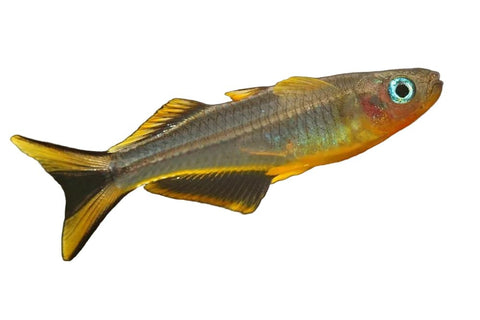
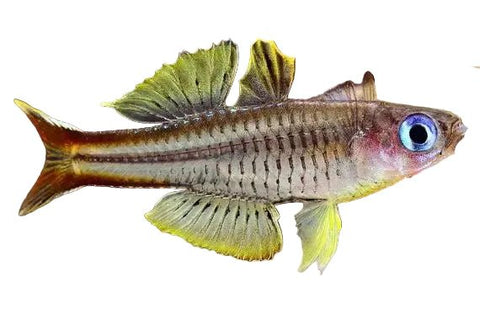
Fork-Tail Blue Eye (Pairs)
$45.00

Every fish passes through our dedicated quarantine system and strict biosecurity monitoring before sale - so it arrives healthy, settled and ready to thrive. How we quarantine →
| Tasmania | NO |
| Western Australia | NO |
| Northern Territory | NO |
| All Other States | YES |
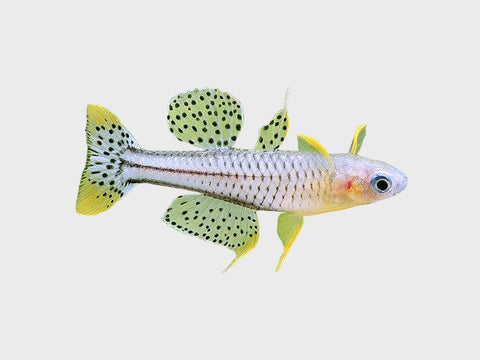
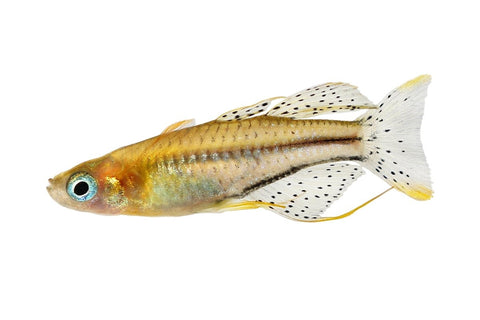
The Luminatus Blue Eye (Pseudomugil luminatus), also known as the Red Neon Blue-eye, is a spectacular small freshwater fish admired for its brilliant electric-blue eyes, glowing orange-red body and delicate, ornate fins. Its vibrant colours and active schooling behaviour make it an outstanding choice for planted aquariums and carefully selected nano community setups.
Native to the lowlands around Timika in the Indonesian province of Papua, on the island of New Guinea, this species inhabits swampy environments with aquatic vegetation and slow-moving, often dark-stained water. It was formally described as a distinct species in 2016 and has become increasingly popular among freshwater aquarium enthusiasts.
Males are particularly striking, displaying warm orange to reddish body colours, a vivid neon-blue stripe along the upper body and elongated fin filaments with pale highlights. Their fins may feature scattered dark spots, adding to their intricate appearance. Females are generally less intensely coloured, with more translucent fins and subtler body markings.
Luminatus Blue Eyes are peaceful, active shoaling fish that thrive when kept in groups. A group of at least six is a sensible starting point, with eight to ten or more recommended where aquarium space allows. Keeping several males alongside females can encourage natural display behaviour, with males spreading their fins and showing off their colours.
A mature aquarium of at least 40 litres is a practical starting point for a small group. Provide dense planting around the sides and back, floating plants for shelter, and open swimming space. Gentle to moderate water movement, good oxygenation and stable water quality help create a suitable environment.
Although peaceful, these fish are relatively small and can be outcompeted for food by larger or more boisterous tankmates. Choose similarly sized, gentle community fish and avoid aggressive species or persistent fin-nippers.
Luminatus Blue Eyes are omnivorous micro-predators that naturally feed on tiny aquatic invertebrates and other small food organisms. In captivity, offer fine-quality tropical flakes, small floating micro-pellets and appropriately sized frozen or live foods.
Suitable supplementary foods include baby brine shrimp, daphnia and microworms. Small food particles are especially important because their mouths are tiny. Feeding small portions once or twice daily, adjusted to appetite and water quality, helps maintain condition and encourages healthy colour development.
This species suits peaceful planted community aquariums containing appropriately sized fish with similar water requirements. Small rasboras, selected small tetras and other gentle nano fish may be suitable companions. Adult dwarf shrimp can sometimes coexist with them, although newly hatched shrimplets may be eaten.
Maintain a stable, fully cycled aquarium and avoid sudden changes in temperature or water chemistry. Fine-leaved plants and moss provide shelter for young fish if breeding is desired. Luminatus Blue Eyes scatter their eggs among vegetation, and successful breeding is possible in a well-maintained aquarium.
With their brilliant blue eyes, fiery body colour and lively display behaviour, Luminatus Blue Eyes are an excellent choice for aquarists wanting a colourful, small schooling fish for a planted freshwater display.
|
Care requirement |
Details |
|---|---|
|
Scientific name |
Pseudomugil luminatus |
|
Common names |
Luminatus Blue Eye, Red Neon Blue-eye |
|
Family |
Pseudomugilidae |
|
Origin |
Papua Province, Indonesian New Guinea |
|
Care level |
Easy to moderate |
|
Adult size |
Approximately 2–3.5 cm |
|
Minimum aquarium size |
40 litres for a small group |
|
Temperature |
22–26°C |
|
pH |
6.5–7.5 |
|
Water hardness |
Soft to moderately hard |
|
Diet |
Omnivore; small live, frozen and prepared foods |
|
Temperament |
Peaceful, active and social |
|
Swimming level |
Mainly mid-water and upper water |
|
Social requirements |
Keep in groups of 6 or more |
|
Compatibility |
Peaceful nano fish; use caution with tiny shrimp |
|
Aquarium type |
Freshwater planted or nano community aquarium |
|
Lifespan |
Approximately 3 years, potentially longer with good care |
|
Special requirements |
Mature aquarium, fine-sized food and stable water conditions |
Care recommendations are practical aquarium guidelines; adult size and lifespan can vary with genetics, diet and husbandry.
They are a genuinely small aquarium fish, generally reaching around 2–3.5 cm. Their compact size makes them suitable for planted nano aquariums when kept in an appropriately sized group.
Keep at least six, with eight to ten or more preferable when space permits. A group helps them feel secure and encourages males to display their impressive colours and fins.
They can be suitable for beginners who can provide a mature, stable aquarium and appropriately sized food. Their small size means they should not be housed with aggressive fish or species that dominate feeding.
They accept fine flakes and micro-pellets, supplemented with baby brine shrimp, daphnia and other suitably sized frozen or live foods. A varied diet supports good health and colour.
They can coexist with adult dwarf shrimp in suitable aquariums, but tiny shrimplets may be eaten. If breeding shrimp is your priority, a dedicated shrimp aquarium is the safer option.
Males typically develop brighter orange-red colouring, more elaborate fins and longer fin filaments. Females are usually less colourful, with more translucent fins. Sexing can be difficult in young or immature fish.
1. Keeping too few fish: Small groups may be more nervous and display less natural behaviour. Keep an appropriate shoal rather than a single specimen or pair.
2. Choosing aggressive tankmates: Larger or boisterous fish can intimidate these small blue-eyes and prevent them from feeding properly. Choose peaceful nano species.
3. Providing food that is too large: Their small mouths make large pellets and flakes difficult to eat. Use fine flakes, micro-pellets and suitably sized live or frozen foods.
4. Adding them to an immature aquarium: Unstable water chemistry can cause stress and losses. Introduce them only after the aquarium is fully cycled and stable.
5. Overlooking water quality: Excess food and accumulated waste can quickly affect a small aquarium. Maintain appropriate filtration, perform regular water changes and avoid overfeeding.
6. Keeping the aquarium too bare: An exposed tank can leave fish feeling vulnerable. Add plants, floating cover and sheltered areas while retaining open swimming space.
Livestock is dispatched with heat/cool packs and oxygen from our Melbourne facility, timed for the safest transit. Live arrivals may be scheduled for the best shipping window. A live arrival guarantee applies - contact us within the required window if anything is not right.
We stand behind everything we sell. If something is not right, get in touch and we will make it right. See our returns policy for the details.
This fish has been through our dedicated quarantine system and is feeding, settled and health-checked before sale. We still recommend acclimating slowly and quarantining new additions at home. Our team is happy to talk you through the right setup - just ask.
Choose quantity