Sold out
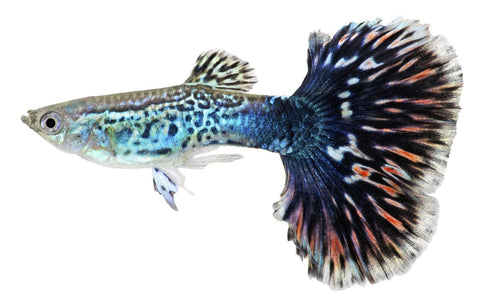
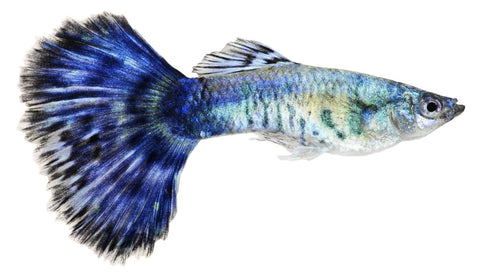
Blue Snakeskin Guppy (Pair)
$20.00

Every fish passes through our dedicated quarantine system and strict biosecurity monitoring before sale - so it arrives healthy, settled and ready to thrive. How we quarantine →
The Maculata Rasbora, also known as the Dwarf Rasbora or Pygmy Rasbora, is one of the smallest freshwater fish in the world. Native to the blackwater peat swamps and slow-moving forest streams of Malaysia, Singapore, and Indonesia, this tiny species is prized for its brilliant ruby-red colouration, distinctive black spots, and peaceful schooling behaviour.
Growing to just 2–2.5 cm, the Maculata Rasbora is a perfect choice for nano aquariums, aquascapes, and shrimp tanks. Mature fish develop vibrant crimson-red bodies highlighted by three distinctive black spots along the flank, creating a striking contrast against lush green aquatic plants and dark substrates.
Maculata Rasboras thrive in mature, heavily planted aquariums with driftwood, leaf litter, floating plants, and gentle water movement. They are highly social and should always be kept in schools of at least 10, where they become more confident and display their brightest colours. Their peaceful nature makes them excellent companions for Celestial Pearl Danios, Ember Tetras, Strawberry Rasboras, Pygmy Corydoras, Otocinclus, Medaka, and freshwater shrimp.
A varied diet of premium nano pellets, crushed flakes, baby brine shrimp, microworms, vinegar eels, daphnia, cyclops, and other tiny live or frozen foods will maximise their colouration and maintain excellent health.
Tiny, peaceful, and brilliantly coloured, the Maculata Rasbora is one of the finest nano fish for planted aquariums and shrimp-focused aquascapes.
Boraras maculatus
Maculata Rasbora (Dwarf Rasbora)
Malaysia, Singapore, and Indonesia
2–2.5 cm
Peaceful
Omnivore
30 Litres
24–28°C
4.5–7.0
1–8 dGH
Beginner
3–5 Years
Nano aquariums, planted tanks, blackwater aquariums, shrimp tanks, and peaceful community aquariums
Maculata Rasboras are schooling fish and should always be kept in groups of at least 10. Schools of 20 or more create a spectacular display and encourage natural behaviour.
Yes. They are among the most peaceful freshwater fish available and are ideal for nano aquariums and shrimp tanks.
They thrive on premium nano pellets, crushed flakes, baby brine shrimp, microworms, vinegar eels, daphnia, cyclops, and other tiny live or frozen foods.
Yes. They are excellent tank mates for Cherry Shrimp, Crystal Shrimp, Amano Shrimp, and other dwarf shrimp. Newly hatched shrimplets may occasionally be eaten, but adults are completely safe.
Stress, poor water quality, bright lighting, or being kept in small groups can reduce their vibrant colouration. Dense planting, subdued lighting, clean water, and a varied diet will help maintain their brilliant red colours.
Maculata Rasboras become shy and lose colour when kept in groups smaller than ten.
Their tiny mouths require fine pellets, crushed flakes, and appropriately sized live or frozen foods.
Floating plants, mosses, driftwood, and leaf litter help recreate their natural habitat and encourage stronger colouration.
Stable water conditions and regular water changes are essential for maintaining healthy fish.
Choose peaceful nano species that won't intimidate or prey on these tiny schooling fish.
The Maculata Rasbora, also known as the Dwarf Rasbora or Pygmy Rasbora, is one of the smallest freshwater fish in the world. Native to the blackwater peat swamps and slow-moving forest streams of Malaysia, Singapore, and Indonesia, this tiny species is prized for its brilliant ruby-red colouration, distinctive black spots, and peaceful schooling behaviour.
Growing to just 2–2.5 cm, the Maculata Rasbora is a perfect choice for nano aquariums, aquascapes, and shrimp tanks. Mature fish develop vibrant crimson-red bodies highlighted by three distinctive black spots along the flank, creating a striking contrast against lush green aquatic plants and dark substrates.
Maculata Rasboras thrive in mature, heavily planted aquariums with driftwood, leaf litter, floating plants, and gentle water movement. They are highly social and should always be kept in schools of at least 10, where they become more confident and display their brightest colours. Their peaceful nature makes them excellent companions for Celestial Pearl Danios, Ember Tetras, Strawberry Rasboras, Pygmy Corydoras, Otocinclus, Medaka, and freshwater shrimp.
A varied diet of premium nano pellets, crushed flakes, baby brine shrimp, microworms, vinegar eels, daphnia, cyclops, and other tiny live or frozen foods will maximise their colouration and maintain excellent health.
Tiny, peaceful, and brilliantly coloured, the Maculata Rasbora is one of the finest nano fish for planted aquariums and shrimp-focused aquascapes.
Boraras maculatus
Maculata Rasbora (Dwarf Rasbora)
Malaysia, Singapore, and Indonesia
2–2.5 cm
Peaceful
Omnivore
30 Litres
24–28°C
4.5–7.0
1–8 dGH
Beginner
3–5 Years
Nano aquariums, planted tanks, blackwater aquariums, shrimp tanks, and peaceful community aquariums
Maculata Rasboras are schooling fish and should always be kept in groups of at least 10. Schools of 20 or more create a spectacular display and encourage natural behaviour.
Yes. They are among the most peaceful freshwater fish available and are ideal for nano aquariums and shrimp tanks.
They thrive on premium nano pellets, crushed flakes, baby brine shrimp, microworms, vinegar eels, daphnia, cyclops, and other tiny live or frozen foods.
Yes. They are excellent tank mates for Cherry Shrimp, Crystal Shrimp, Amano Shrimp, and other dwarf shrimp. Newly hatched shrimplets may occasionally be eaten, but adults are completely safe.
Stress, poor water quality, bright lighting, or being kept in small groups can reduce their vibrant colouration. Dense planting, subdued lighting, clean water, and a varied diet will help maintain their brilliant red colours.
Maculata Rasboras become shy and lose colour when kept in groups smaller than ten.
Their tiny mouths require fine pellets, crushed flakes, and appropriately sized live or frozen foods.
Floating plants, mosses, driftwood, and leaf litter help recreate their natural habitat and encourage stronger colouration.
Stable water conditions and regular water changes are essential for maintaining healthy fish.
Choose peaceful nano species that won't intimidate or prey on these tiny schooling fish.
Livestock is dispatched with heat/cool packs and oxygen from our Melbourne facility, timed for the safest transit. Live arrivals may be scheduled for the best shipping window. A live arrival guarantee applies - contact us within the required window if anything is not right.
We stand behind everything we sell. If something is not right, get in touch and we will make it right. See our returns policy for the details.
This fish has been through our dedicated quarantine system and is feeding, settled and health-checked before sale. We still recommend acclimating slowly and quarantining new additions at home. Our team is happy to talk you through the right setup - just ask.
Choose gender