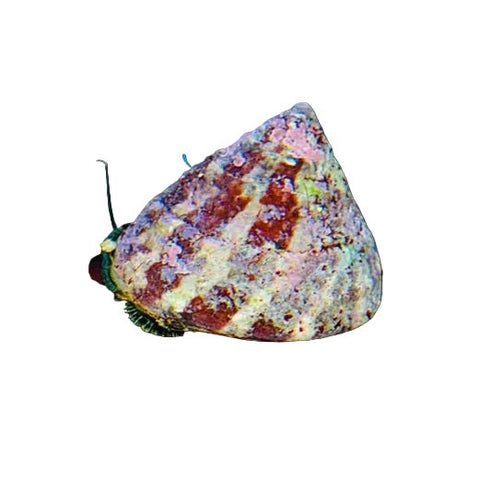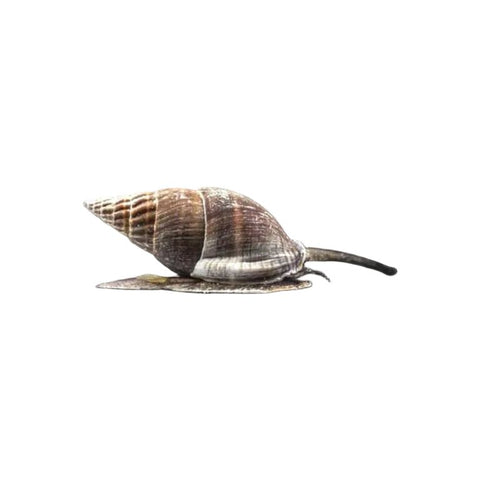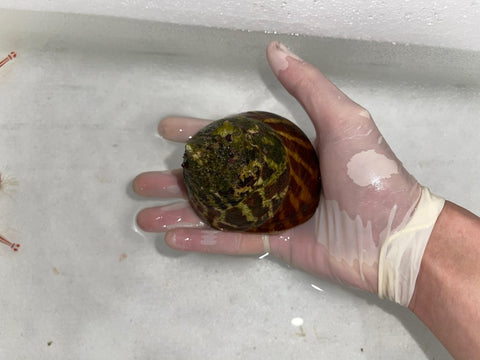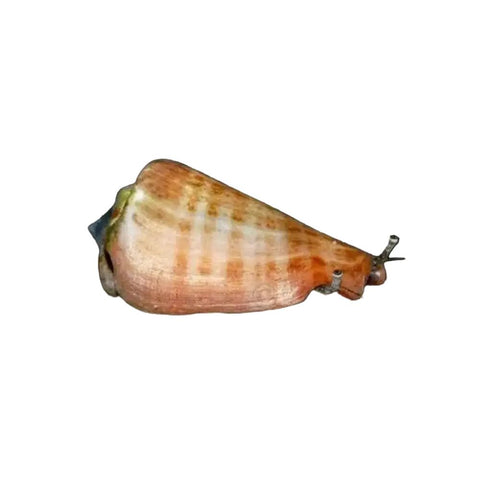
Strombus
$20.00

Hand-selected, acclimated and inspected by our team under strict biosecurity monitoring - so it arrives healthy, settled and ready to thrive. Our biosecurity →
| Tasmania | YES |
| Western Australia | NO |
| Northern Territory | NO |
| All Other States | YES |
The Mantis Shrimp is one of the most fascinating and intelligent marine invertebrates available to aquarium keepers. Known for its incredible eyesight, lightning-fast strikes and highly developed hunting behaviour, the mantis shrimp is a true standout species.
Depending on the species, mantis shrimp can be smashers or spearers, with some capable of breaking shells and glass. They are best kept in a dedicated aquarium with secure rockwork and a tight-fitting lid. They are generally unsuitable for community reef aquariums because they may prey on fish, shrimp, crabs and other invertebrates.
Provide a deep, secure burrow or suitable rockwork where the mantis shrimp can establish a territory.
It is generally not recommended. Mantis Shrimp are predators and may attack or consume fish and other tank inhabitants.
Some larger smasher species are capable of damaging glass, particularly if the aquarium is unsuitable or the animal repeatedly strikes at the walls. Acrylic or appropriately designed systems are often preferred.
They are carnivorous predators and can be fed marine shrimp, mussels, snails, crabs and other suitable meaty foods.
Absolutely. Providing a secure burrow or cave is important for their natural behaviour and helps reduce stress.
Mantis Shrimp can prey on fish and invertebrates and are best kept in a dedicated setup.
Make sure the aquarium is appropriate for the species and size, particularly with larger smashers.
Mantis Shrimp are capable escape artists. Keep the aquarium securely covered.
Without suitable shelter, the animal may become stressed and behave unnaturally.
Provide a varied, appropriately sized carnivorous diet rather than relying solely on opportunistic feeding.
Livestock is dispatched with heat/cool packs and oxygen from our Melbourne facility, timed for the safest transit. Live arrivals may be scheduled for the best shipping window. A live arrival guarantee applies - contact us within the required window if anything is not right.
We stand behind everything we sell. If something is not right, get in touch and we will make it right. See our returns policy for the details.
This animal has been hand-selected, acclimated and inspected before sale. We still recommend acclimating slowly at home - inverts are sensitive to sudden parameter swings. Our team is happy to talk you through the right setup - just ask.