Sale
Sold out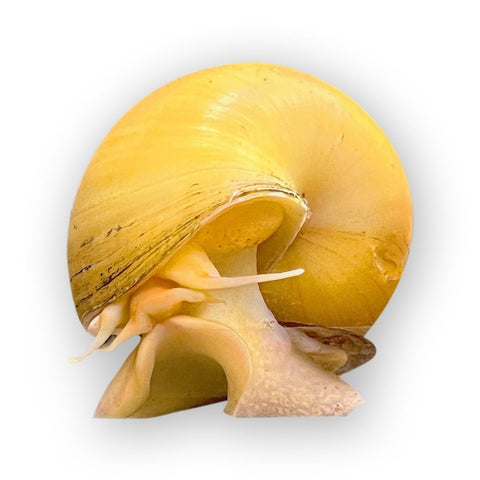
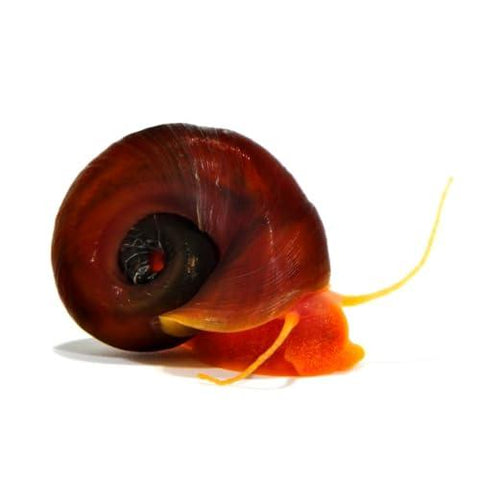
Assorted Mystery Snail
$7.00
$10.00

| Tasmania | NO |
| Western Australia | NO |
| Northern Territory | NO |
| All Other States | YES |
Nerite Snails are among the most popular freshwater aquarium snails, highly valued for their excellent algae-grazing abilities, attractive shell patterns and peaceful nature. Belonging to the family Neritidae, these small aquatic snails are available in a variety of colours and patterns, making them both a practical and decorative addition to freshwater aquariums.
Common varieties include Zebra Nerites, Tiger Nerites, Olive Nerites, Red Racer Nerites and Horned Nerites. Their shells can feature intricate stripes, spots, ridges and contrasting colours, giving each variety a distinctive appearance.
One of the biggest advantages of Nerite Snails is their ability to consume algae without damaging healthy aquatic plants. They spend much of their time grazing across aquarium glass, driftwood, rocks, decorations and plant surfaces, helping control unwanted algae growth.
Natural Habitat and Behaviour
Nerite Snails occur throughout tropical and subtropical coastal regions, including parts of Southeast Asia, the Indo-Pacific and Africa. Different species inhabit freshwater streams, rivers, estuaries and coastal environments.
Many freshwater aquarium Nerites naturally inhabit waterways that connect to estuaries. Their life cycles can involve freshwater adults and larvae that require brackish or marine conditions to develop successfully.
They are generally peaceful and spend most of their time grazing. They are not aggressive towards fish, shrimp or other snails and are suitable for peaceful community aquariums.
Aquarium Suitability and Compatibility
Nerite Snails are excellent additions to planted freshwater aquariums and community tanks. They are particularly useful for controlling soft green algae, diatoms and biofilm growing on aquarium surfaces.
They are completely plant safe and will not normally consume healthy aquatic plants.
Suitable tank mates include:
Tetras.
Rasboras.
Guppies.
Corydoras Catfish.
Bristlenose Catfish.
Peaceful freshwater shrimp.
Other non-aggressive community fish.
Avoid keeping them with pufferfish, loaches, large cichlids and other snail-eating species.
Feeding and Nutrition
Nerite Snails are primarily algae grazers and naturally feed on algae, biofilm and microorganisms growing on submerged surfaces.
In established aquariums, they can obtain much of their nutrition naturally. However, aquariums with limited algae growth may require supplementary feeding.
Suitable supplementary foods include:
Algae wafers.
Spirulina-based foods.
Specialised snail foods.
Algae-based sinking pellets.
Blanched zucchini.
Natural biofilm on driftwood and rocks.
Avoid overfeeding, as uneaten food can quickly deteriorate water quality. It is important not to rely entirely on supplementary foods, as some Nerites can be reluctant to accept prepared alternatives.
Aquarium Requirements
Nerite Snails are relatively easy to maintain when provided with stable water conditions and sufficient natural food.
They prefer established aquariums with plenty of grazing surfaces, good water quality and adequate mineral content to support healthy shell development.
Calcium availability is particularly important. Soft, acidic water can gradually damage their shells, resulting in erosion or pitting.
A secure aquarium lid is recommended because Nerite Snails are capable of climbing above the waterline and may escape through small openings.
Breeding and Reproduction
Nerite Snails have separate male and female individuals. Females may deposit small, hard white egg capsules on driftwood, rocks, glass and aquarium decorations.
Although eggs may appear throughout the aquarium, most commonly traded freshwater Nerites require brackish or marine conditions during their larval development. Consequently, they generally do not establish breeding populations in freshwater community aquariums.
Their inability to reproduce successfully in typical freshwater conditions makes them particularly attractive to aquarists who want algae-eating snails without uncontrolled population growth.
Species Information
|
Care Requirement |
Details |
|---|---|
|
Common Name |
Nerite Snail |
|
Scientific Family |
Neritidae |
|
Common Genera |
Vittina, Neritina, Clithon |
|
Origin |
Indo-Pacific, Africa and tropical coastal regions |
|
Care Level |
Easy |
|
Adult Size |
Approximately 1–3 cm, variety dependent |
|
Minimum Aquarium |
20 litres recommended |
|
Temperature |
22–28°C |
|
pH |
7.0–8.5 |
|
General Hardness |
6–20 dGH |
|
Diet |
Algae / Biofilm |
|
Temperament |
Peaceful |
|
Swimming Level |
All levels / Aquarium surfaces |
|
Plant Compatibility |
Completely plant safe |
|
Aquarium Type |
Tropical Freshwater |
|
Social Behaviour |
Solitary or group |
|
Breeding |
Generally unsuccessful in freshwater |
Recommended Aquarium Setup
Established aquarium with natural algae growth.
Plenty of rocks, driftwood and grazing surfaces.
Moderately hard, mineral-rich water.
Stable water parameters.
Secure aquarium lid.
Peaceful community fish and shrimp.
Avoid copper-based medications.
Care parameters are general recommendations for commonly traded freshwater Nerites. Exact requirements vary between species and varieties.
1. Are Nerite Snails good algae eaters?
Yes. Nerite Snails are excellent algae grazers and consume soft green algae, diatoms and biofilm from aquarium glass, rocks, driftwood and decorations. They are particularly useful in planted aquariums.
2. Will Nerite Snails eat my aquarium plants?
No. They are considered completely plant safe and primarily feed on algae and biofilm. They will not normally damage healthy aquatic plants.
3. Do Nerite Snails reproduce in freshwater?
Most commonly traded freshwater Nerites lay eggs in freshwater, but their larvae generally require brackish or marine conditions to develop. This means they rarely establish breeding populations in freshwater aquariums.
4. Why are there little white eggs on my aquarium glass?
These are Nerite Snail egg capsules. Females attach them to hard surfaces such as glass, driftwood and rocks. They are harmless but can be difficult to remove once attached.
5. What do Nerite Snails eat?
They primarily graze on algae and biofilm. Supplementary foods can include algae wafers, spirulina-based foods and blanched vegetables, particularly when natural algae is limited.
6. Why is my Nerite Snail's shell becoming damaged?
Shell erosion can occur when water is too soft or acidic, particularly when calcium and other minerals are insufficient. Maintaining suitable hardness and a stable, neutral-to-alkaline pH helps support healthy shell development.
1. Adding them to newly established aquariums: New tanks often lack sufficient algae and biofilm. Nerites can starve even when supplementary foods are available.
2. Keeping them in soft, acidic water: Insufficient minerals and low pH can cause shell erosion and deterioration.
3. Overstocking algae eaters: Too many Nerites in an aquarium can quickly exhaust available natural food, leading to starvation.
4. Keeping them with snail predators: Pufferfish, loaches, crayfish and certain cichlids may attack or consume Nerite Snails.
5. Using copper-based medications: Copper is highly toxic to aquatic snails. Always check medication ingredients before treating an aquarium containing invertebrates.
6. Leaving the aquarium uncovered: Nerite Snails can climb above the waterline and escape through small gaps. A secure lid helps prevent accidental loss.
Dispatched from our Melbourne facility, usually within 1-2 business days. Delivery time and cost are calculated at checkout based on your address.
We stand behind everything we sell. If something is not right, get in touch and we will make it right. See our returns policy for the details.