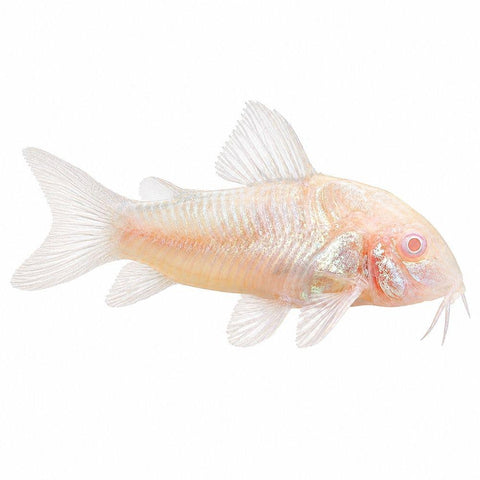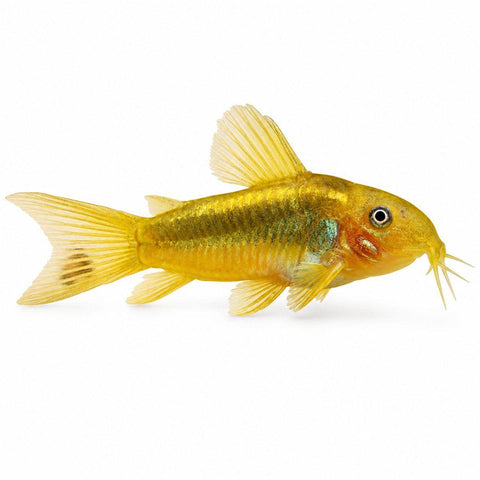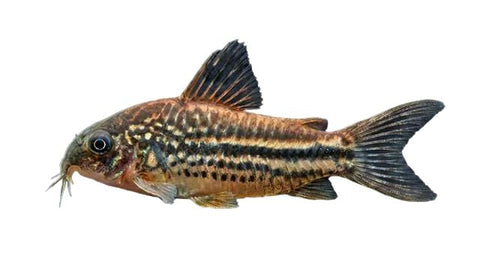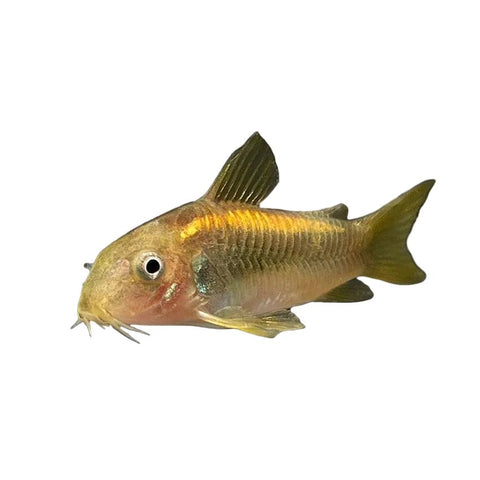
Assorted Corydora
$10.00

Every fish passes through our dedicated quarantine system and strict biosecurity monitoring before sale - so it arrives healthy, settled and ready to thrive. How we quarantine →
| Tasmania | NO |
| Western Australia | NO |
| Northern Territory | NO |
| All Other States | YES |
The Pygmy Corydoras is one of the smallest Corydoras species, making it an excellent choice for nano and community aquariums. They have a subtle silver body with a dark horizontal stripe and an active, endearing personality.
Unlike many larger Corydoras, Pygmy Corydoras frequently spend time midwater as well as along the substrate, often schooling together in groups. Their peaceful nature makes them ideal companions for other small, community-friendly fish.
They should be kept in a group of at least 6, with larger groups allowing them to display more confident and natural behaviour. Fine sand or smooth substrate is preferred to protect their delicate barbels.
Scientific Name: Corydoras pygmaeus
Common Name: Pygmy Corydoras / Pygmy Cory
Family: Callichthyidae
Type: Freshwater Fish / Bottom Dweller
Adult Size: Approximately 2.5–3 cm
Temperament: Peaceful
Care Level: Easy
Minimum Aquarium: 40 L+
Temperature: Approximately 22–27°C
pH: Approximately 6.0–7.5
Diet: Omnivore
Tank Level: Bottom to Midwater
Group Size: 6+ Recommended
Suitable For: Nano, Community and Planted Aquariums
Yes. They are very peaceful community fish and are ideal for aquariums containing other small, non-aggressive species.
Keep them in a group of at least 6, although a larger group is even better. They become much more confident and active when kept in numbers.
They remain very small, reaching approximately 2.5–3 cm as adults.
Fine sand or smooth, rounded substrate is ideal. Avoid sharp gravel that can damage their sensitive barbels and mouths.
They accept sinking foods such as micro pellets and Corydoras wafers, along with frozen or live foods including baby brine shrimp and bloodworms.
Yes. They are excellent planted-tank inhabitants and appreciate plants, driftwood and other areas of cover.
Keeping only one or two Corydoras
They are social schooling fish and should be kept in a proper group.
Using sharp gravel
Sharp substrate can damage their barbels and mouths.
Assuming they only eat leftover food
Provide dedicated sinking foods to ensure they receive adequate nutrition.
Keeping them with large predatory fish
Their tiny size makes them vulnerable to larger tank mates.
Overcleaning the aquarium
A mature aquarium with natural biofilm and microorganisms provides additional grazing opportunities.
Livestock is dispatched with heat/cool packs and oxygen from our Melbourne facility, timed for the safest transit. Live arrivals may be scheduled for the best shipping window. A live arrival guarantee applies - contact us within the required window if anything is not right.
We stand behind everything we sell. If something is not right, get in touch and we will make it right. See our returns policy for the details.
This fish has been through our dedicated quarantine system and is feeding, settled and health-checked before sale. We still recommend acclimating slowly and quarantining new additions at home. Our team is happy to talk you through the right setup - just ask.