Sold out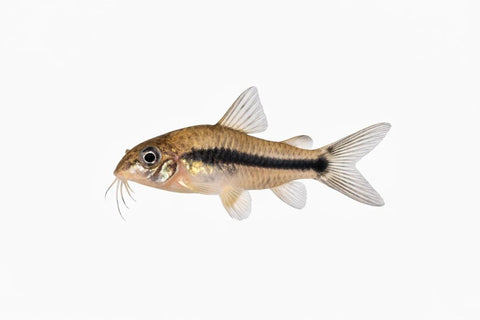
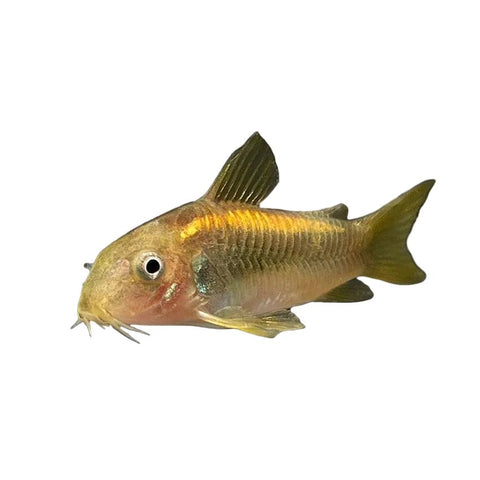
Pygmy Corydora
$15.00

Every fish passes through our dedicated quarantine system and strict biosecurity monitoring before sale - so it arrives healthy, settled and ready to thrive. How we quarantine →
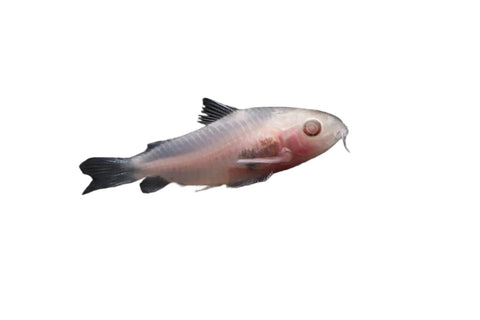
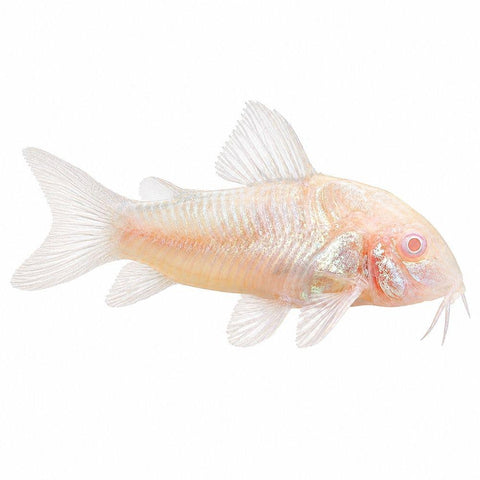
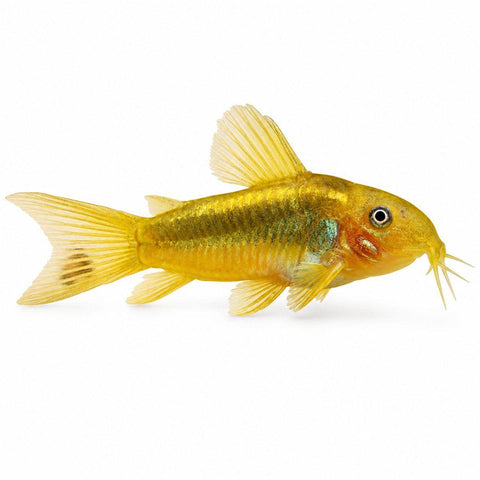
Napoensis Corydoras are small, peaceful bottom-dwelling catfish from South America, prized for their attractive patterning, active behaviour and manageable adult size. Their pale body is decorated with dark markings and spotting, giving them a distinctive appearance among the smaller Corydoras species.
Like other Corydoras, Napoensis are social fish that spend much of their time exploring the substrate with their sensitive barbels. They are particularly entertaining in groups, frequently swimming together before returning to the bottom to forage.
A fine sand substrate is ideal, allowing them to naturally sift through the substrate without damaging their barbels. Plants, driftwood and other décor provide additional shelter and help create a comfortable environment.
They are peaceful community fish and can be kept with small tetras, rasboras, peaceful livebearers and other non-aggressive species. Their relatively small size also makes them a good option for smaller community aquariums.
A group of six or more is recommended. They are social fish and generally become more confident and active when kept in groups.
Yes. They are relatively easy to care for when provided with clean, stable water, appropriate food and suitable substrate.
Fine sand is ideal. Smooth, rounded gravel can also be used, but sharp or abrasive gravel should be avoided because it can damage their barbels.
They help consume food that reaches the bottom, but they are not a substitute for regular water changes and aquarium maintenance.
Yes. They are peaceful and generally compatible with adult freshwater shrimp. Very small shrimp fry may occasionally be eaten while the Corydoras forage.
Provide quality sinking Corydoras pellets or wafers, supplemented with frozen or live foods such as bloodworms and baby brine shrimp.
Livestock is dispatched with heat/cool packs and oxygen from our Melbourne facility, timed for the safest transit. Live arrivals may be scheduled for the best shipping window. A live arrival guarantee applies - contact us within the required window if anything is not right.
We stand behind everything we sell. If something is not right, get in touch and we will make it right. See our returns policy for the details.
This fish has been through our dedicated quarantine system and is feeding, settled and health-checked before sale. We still recommend acclimating slowly and quarantining new additions at home. Our team is happy to talk you through the right setup - just ask.