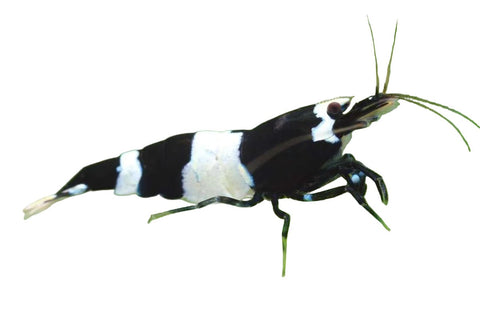
Shadow Panda Shrimp
From $15.00
Choose quantity

Hand-selected, acclimated and inspected by our team under strict biosecurity monitoring - so it arrives healthy, settled and ready to thrive. Our biosecurity →
| Tasmania | NO |
| Western Australia | NO |
| Northern Territory | NO |
| All Other States | YES |
Red Cherry Shrimp are one of the most popular freshwater aquarium shrimp, prized for their bright red colouration, peaceful nature and excellent algae-grazing abilities. They are a great choice for planted aquariums and nano tanks, where their small size and active behaviour make them fascinating to watch.
They spend much of their time grazing on algae, biofilm and leftover food across plants, rocks, driftwood and other surfaces. Providing plenty of mature biofilm and hiding places will help them thrive.
Red Cherry Shrimp are relatively easy to care for and breed readily in established aquariums. Females are generally larger and more intensely coloured than males and will carry eggs beneath their abdomen when breeding.
They are peaceful, but their small size means they should be kept with compatible tank mates. Many fish will eat baby shrimp, so a dedicated shrimp aquarium or heavily planted community tank is ideal.
Scientific Name: Neocaridina davidi
Common Name: Red Cherry Shrimp
Family: Atyidae
Type: Freshwater Shrimp / Invertebrate
Adult Size: Approximately 2–3 cm
Temperament: Peaceful
Care Level: Easy
Minimum Aquarium: 20 L+
Temperature: Approximately 18–26°C
pH: Approximately 6.5–8.0
Diet: Omnivore / Algae Grazer
Tank Level: All Levels
Reef Safe: Freshwater Species
Breeding: Readily Breeds in Aquariums
Suitable For: Planted, nano and shrimp aquariums
Yes. Red Cherry Shrimp are considered one of the easier freshwater shrimp species and are suitable for beginners when kept in a stable, established aquarium.
They naturally graze on biofilm, algae and organic matter. They can also be fed specialised shrimp foods, algae wafers and small amounts of blanched vegetables.
Yes. Once established, they can breed readily in freshwater aquariums. Females carry eggs until they hatch into miniature versions of the adults.
Yes, but tank mates should be chosen carefully. Small peaceful fish are generally safer, while larger or predatory fish may eat both adult and baby shrimp.
They are social and do well in groups. Starting with 10 or more shrimp gives them a good opportunity to establish a colony.
They don't strictly require live plants, but heavily planted aquariums are highly beneficial. Plants provide grazing surfaces, shelter and protection for baby shrimp.
Adding shrimp to an immature aquarium
Established aquariums provide valuable biofilm and more stable water conditions.
Keeping them with predatory fish
Baby shrimp are particularly vulnerable to being eaten.
Overfeeding
Shrimp need surprisingly little food when plenty of natural biofilm is available. Excess food can quickly affect water quality.
Using copper-based medications
Copper can be highly toxic to shrimp and other aquatic invertebrates.
Ignoring water parameter stability
Sudden changes in temperature, pH or mineral content can cause stress and failed moults.
Not providing hiding places
Plants, moss, driftwood and other structures provide important shelter, particularly for juveniles.
Livestock is dispatched with heat/cool packs and oxygen from our Melbourne facility, timed for the safest transit. Live arrivals may be scheduled for the best shipping window. A live arrival guarantee applies - contact us within the required window if anything is not right.
We stand behind everything we sell. If something is not right, get in touch and we will make it right. See our returns policy for the details.
This animal has been hand-selected, acclimated and inspected before sale. We still recommend acclimating slowly at home - inverts are sensitive to sudden parameter swings. Our team is happy to talk you through the right setup - just ask.
Choose quantity

Choose quantity
Choose quantity