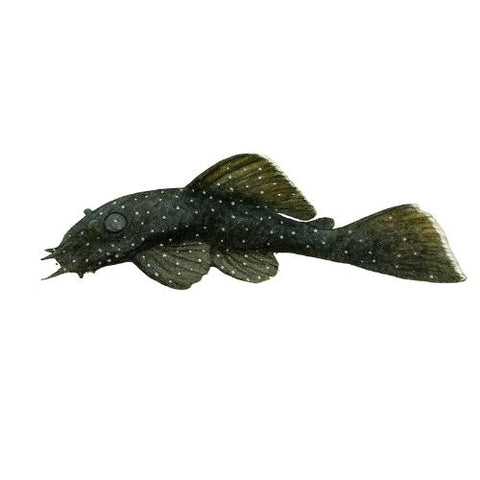
Peppermint Bristlenose
$25.00

Every fish passes through our dedicated quarantine system and strict biosecurity monitoring before sale - so it arrives healthy, settled and ready to thrive. How we quarantine →
| Tasmania | NO |
| Western Australia | NO |
| Northern Territory | NO |
| All Other States | YES |
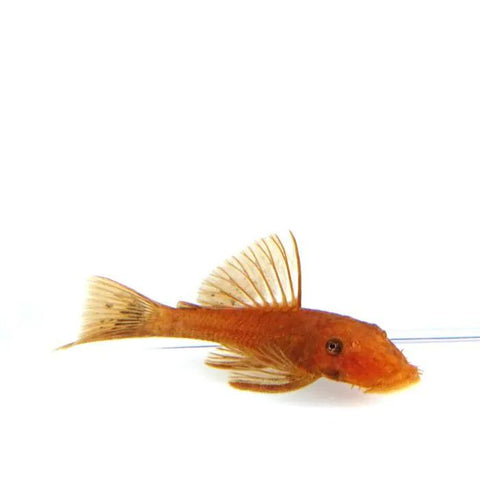
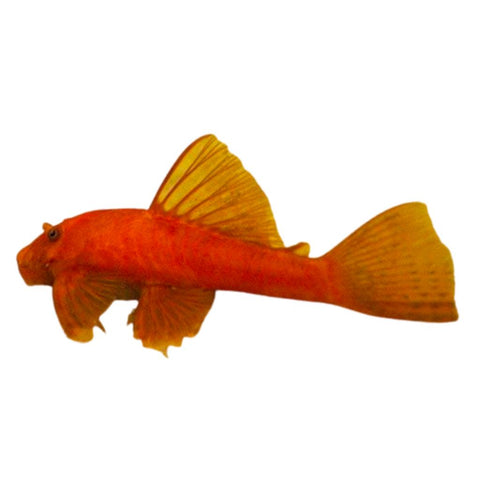
The Albino Bristlenose Catfish is one of the most popular algae-eating fish in the aquarium hobby, loved for its creamy white to pale yellow body, bright red eyes, and exceptional algae-grazing ability. A selectively bred albino form of the Common Bristlenose, this peaceful catfish is ideal for planted aquariums and freshwater community tanks.
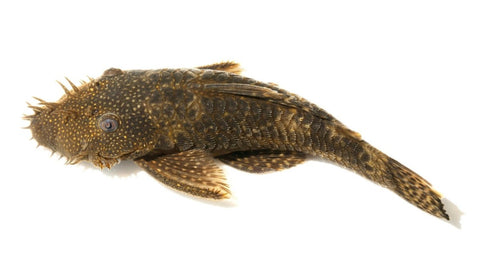
Unlike larger Plecos, the Albino Bristlenose remains compact, making it suitable for medium-sized aquariums while still providing excellent algae control. Adult males develop distinctive fleshy bristles across the snout, giving the species its common name, while females have smaller or no visible bristles.
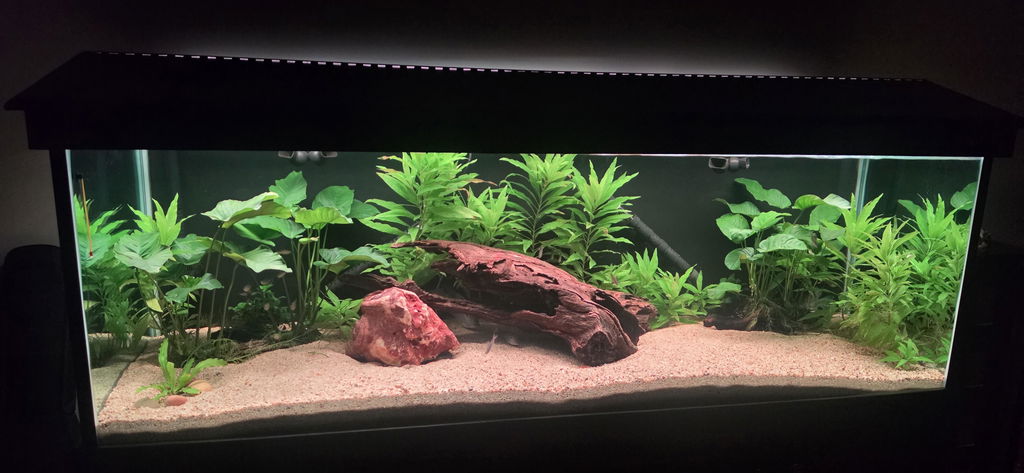
Albino Bristlenose Catfish thrive in aquariums with driftwood, caves, smooth rocks, and plenty of hiding places. They spend much of their day grazing on algae, biofilm, and aquarium surfaces but should also receive a varied diet of algae wafers, spirulina pellets, fresh vegetables, driftwood, and occasional protein-rich foods.
Hardy, peaceful, and incredibly useful, the Albino Bristlenose Catfish is a favourite among beginner and experienced aquarists looking for an attractive and practical addition to their aquarium.
Ancistrus cf. cirrhosus "Albino"
Albino Bristlenose Catfish
Captive-bred variety of a South American species
10–13 cm
Peaceful
Omnivore (Primarily Herbivorous)
75 Litres
22–28°C
6.2–7.8
2–15 dGH
Beginner
8–12 Years
Planted aquariums, freshwater community tanks, and shrimp-safe aquariums
Yes. They are excellent algae grazers and help control soft algae on glass, rocks, driftwood, and decorations. They should also receive supplemental foods for balanced nutrition.
Adult males develop large fleshy bristles across the centre of the snout, while females have few or no bristles.
They thrive on algae wafers, spirulina pellets, zucchini, cucumber, pumpkin, spinach, driftwood, and occasional frozen foods such as bloodworms.
Yes. They are peaceful and generally safe with Cherry Shrimp, Amano Shrimp, and other dwarf shrimp species.
Yes. Driftwood is highly recommended as it provides natural grazing surfaces and beneficial fibre that aids digestion.
Supplementary feeding is essential once natural algae becomes limited.
Driftwood supports healthy digestion and provides natural grazing opportunities.
Although smaller than Common Plecos, they still require adequate space, filtration, and hiding places.
Their diet should primarily consist of vegetable matter and algae-based foods, with protein offered only occasionally.
Regular maintenance and stable water conditions are essential for keeping Albino Bristlenose healthy and active.
Livestock is dispatched with heat/cool packs and oxygen from our Melbourne facility, timed for the safest transit. Live arrivals may be scheduled for the best shipping window. A live arrival guarantee applies - contact us within the required window if anything is not right.
We stand behind everything we sell. If something is not right, get in touch and we will make it right. See our returns policy for the details.
This fish has been through our dedicated quarantine system and is feeding, settled and health-checked before sale. We still recommend acclimating slowly and quarantining new additions at home. Our team is happy to talk you through the right setup - just ask.
Choose size