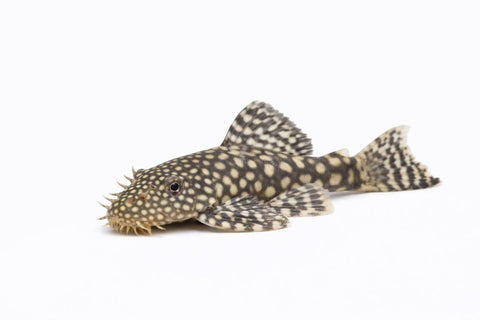
Bristlenose Catfish
From $10.00
Choose size

Every fish passes through our dedicated quarantine system and strict biosecurity monitoring before sale - so it arrives healthy, settled and ready to thrive. How we quarantine →
| Tasmania | NO |
| Western Australia | NO |
| Northern Territory | NO |
| All Other States | YES |
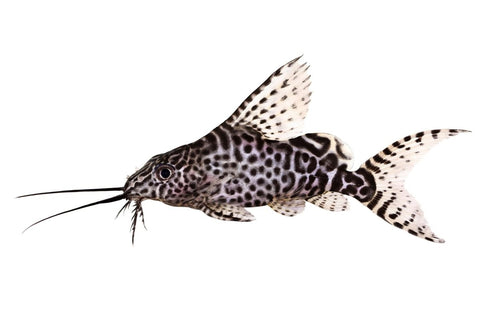
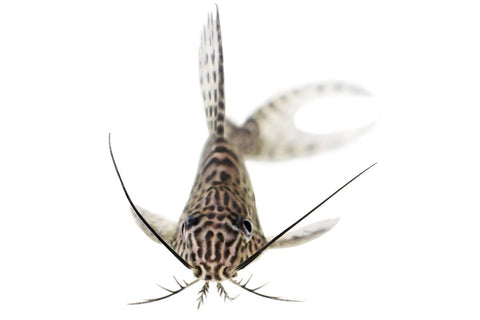
The Petricola Catfish is a beautiful African catfish native to the rocky shores of Lake Tanganyika. Loved for its striking black body covered in crisp white spots, this active bottom-dweller is one of the smallest and most peaceful members of the Synodontis family, making it an excellent choice for both African cichlid and larger community aquariums.
Unlike many nocturnal catfish, Petricola Catfish are often active throughout the day, constantly exploring caves, rockwork, and crevices in search of food. Their inquisitive nature and attractive spotted pattern make them a favourite amongst aquarists keeping Tanganyikan cichlids.
Petricolas thrive in aquariums with rocky caves, strong filtration, and excellent water quality. They are happiest when kept in small groups of three or more, where they display natural social behaviour. They readily accept sinking carnivore pellets, algae wafers, frozen bloodworms, brine shrimp, mysis shrimp, and other meaty foods.
Hardy, peaceful, and full of personality, the Petricola Catfish is one of the best catfish species for African cichlid aquariums.
Synodontis petricola
Petricola Catfish
Lake Tanganyika, Africa
10–12 cm
Peaceful
Omnivore
120 Litres
24–28°C
7.8–9.0
10–25 dGH
Beginner to Intermediate
8–12 Years
African cichlid aquariums and larger community tanks
Yes. They are one of the best catfish for Lake Tanganyika aquariums and are commonly kept with Tanganyikan cichlids.
Yes. They are social fish and do best in groups of three or more, where they become more confident and active.
They enjoy sinking carnivore pellets, algae wafers, frozen bloodworms, brine shrimp, mysis shrimp, and other meaty foods.
No. They are peaceful and generally ignore other fish, although they may compete for hiding places with other bottom dwellers.
Due to their size and opportunistic feeding habits, shrimp are not recommended as tank mates.
Petricola Catfish are naturally social and thrive when kept in small groups.
Rock piles and caves provide security and encourage natural behaviour.
As Lake Tanganyika natives, they require hard, alkaline water to remain healthy.
Although they will eat algae-based foods, they require a balanced omnivorous diet with plenty of protein.
Excellent filtration and strong water movement help replicate their natural environment and keep them healthy.
Livestock is dispatched with heat/cool packs and oxygen from our Melbourne facility, timed for the safest transit. Live arrivals may be scheduled for the best shipping window. A live arrival guarantee applies - contact us within the required window if anything is not right.
We stand behind everything we sell. If something is not right, get in touch and we will make it right. See our returns policy for the details.
This fish has been through our dedicated quarantine system and is feeding, settled and health-checked before sale. We still recommend acclimating slowly and quarantining new additions at home. Our team is happy to talk you through the right setup - just ask.
Choose size
Choose size