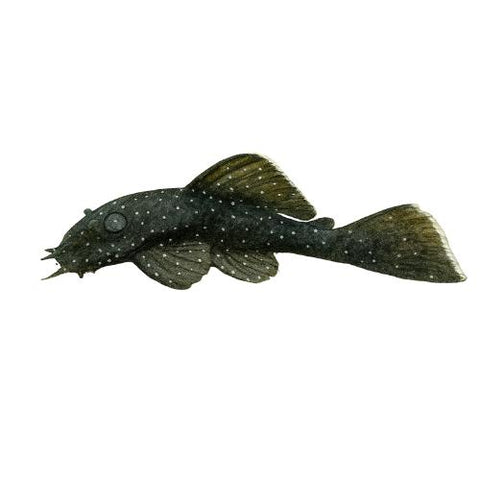
Peppermint Bristlenose
$25.00

Every fish passes through our dedicated quarantine system and strict biosecurity monitoring before sale - so it arrives healthy, settled and ready to thrive. How we quarantine →
| Tasmania | NO |
| Western Australia | NO |
| Northern Territory | NO |
| All Other States | YES |
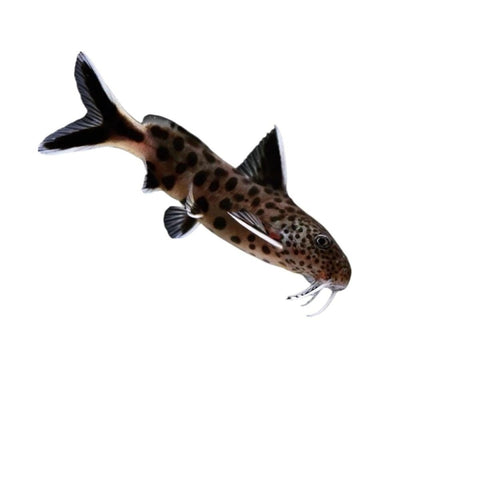
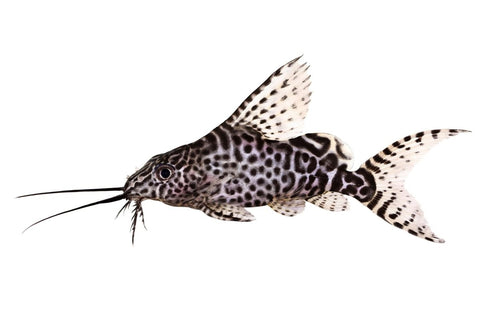
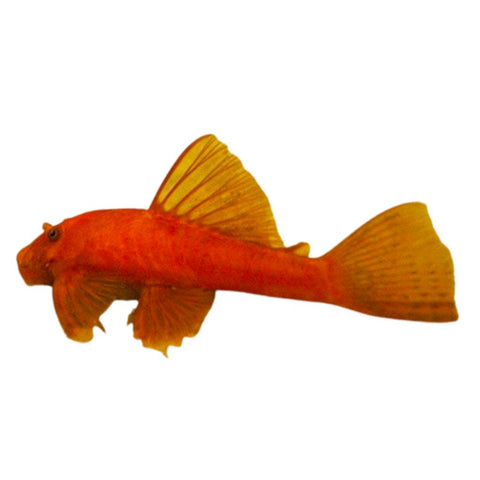
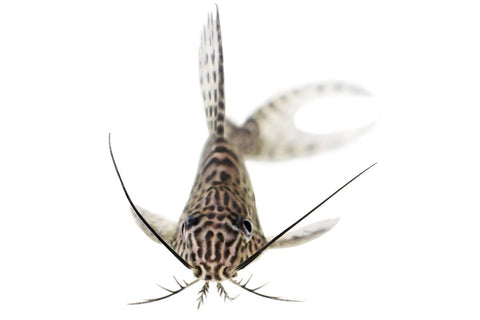
The Bristlenose Catfish is one of the most popular freshwater aquarium fish in the world, prized for its exceptional algae-eating ability, peaceful temperament, and hardy nature. Unlike the much larger Common Pleco, Bristlenose Catfish remain a manageable size, making them an ideal choice for community and planted aquariums.
Named for the fleshy bristles that develop on the snout of mature males, Bristlenose Catfish spend much of their time grazing on algae, biofilm, driftwood, and aquarium surfaces. Their constant grazing helps keep aquariums clean while adding an interesting bottom-dwelling species to the tank.
They thrive in aquariums with driftwood, caves, rocks, and plenty of hiding places. Although they are excellent algae eaters, they require a balanced diet consisting of algae wafers, quality sinking pellets, fresh vegetables such as zucchini and cucumber, and occasional protein-rich foods. Driftwood is also an important part of their diet, aiding digestion and providing natural grazing surfaces.
Easy to care for and highly adaptable, the Bristlenose Catfish is an excellent choice for beginner and experienced aquarists alike.
Ancistrus cirrhosus
Bristlenose Catfish
South America
10–15 cm
Peaceful
Omnivore (primarily herbivorous)
80 Litres
22–28°C
6.5–7.8
2–20 dGH
Beginner
5–10 Years
Community aquariums and planted tanks
Yes. They are among the best freshwater algae eaters and constantly graze on soft algae and biofilm throughout the aquarium.
Most adults reach between 10 and 15 cm, making them much smaller than Common Plecos.
They enjoy algae wafers, sinking pellets, zucchini, cucumber, spinach, pumpkin, driftwood, and occasional frozen foods such as bloodworms.
Yes. They are peaceful and generally ignore shrimp, making them excellent additions to shrimp and community aquariums.
The bristles develop as males mature and are believed to play a role in attracting females and protecting eggs during breeding.
While excellent algae eaters, Bristlenose Catfish require a balanced diet with vegetables and quality sinking foods.
Driftwood is beneficial for digestion and provides natural grazing surfaces.
Established aquariums provide the biofilm and stable conditions Bristlenose Catfish prefer.
Remove uneaten food promptly to maintain excellent water quality.
Although hardy, Bristlenose Catfish thrive in clean, well-filtered aquariums with good oxygenation.
Livestock is dispatched with heat/cool packs and oxygen from our Melbourne facility, timed for the safest transit. Live arrivals may be scheduled for the best shipping window. A live arrival guarantee applies - contact us within the required window if anything is not right.
We stand behind everything we sell. If something is not right, get in touch and we will make it right. See our returns policy for the details.
This fish has been through our dedicated quarantine system and is feeding, settled and health-checked before sale. We still recommend acclimating slowly and quarantining new additions at home. Our team is happy to talk you through the right setup - just ask.
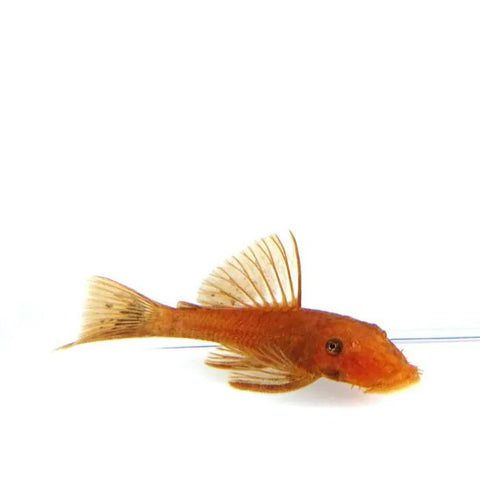
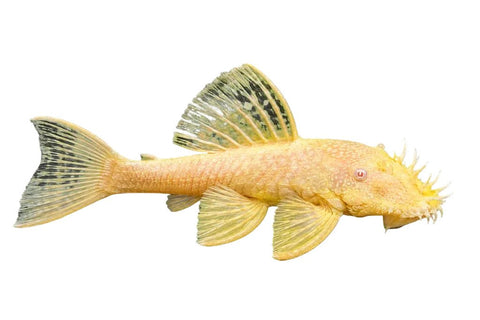
Choose size