Sale
Sold out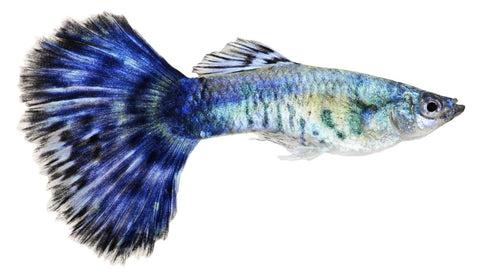
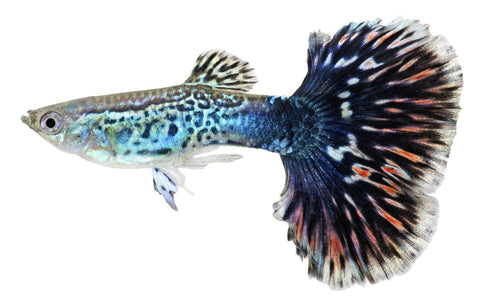
Assorted Guppy
From $4.90
$7.00

Every fish passes through our dedicated quarantine system and strict biosecurity monitoring before sale - so it arrives healthy, settled and ready to thrive. How we quarantine →
| Tasmania | NO |
| Western Australia | NO |
| Northern Territory | NO |
| All Other States | YES |
Assorted Medaka, also known as Japanese Rice Fish, are small, hardy freshwater fish available in a variety of colours, patterns and fin types. Their peaceful nature, active swimming behaviour and ability to tolerate a relatively wide range of conditions have made them increasingly popular with both aquarium and outdoor pond keepers.
Medaka are available in an enormous range of selectively bred varieties, including metallic, orange, white, black, gold and patterned forms. With assorted stock, the exact colouration and pattern of individual fish will vary depending on the varieties available.
They are active near the surface and middle levels of the aquarium and look particularly attractive in planted setups. Floating plants are especially useful, providing shade, cover and a more natural environment.
Medaka are also prolific egg layers. Females regularly carry clusters of adhesive eggs beneath their bodies before attaching them to plants or spawning materials. If breeding is desired, providing fine-leaved plants or a spawning mop gives eggs somewhere to attach.
The exact varieties depend on available stock. Assorted Medaka may include different colours, patterns and selectively bred strains.
A group of six or more is recommended. Larger groups allow them to display more natural social behaviour.
Yes. Medaka are particularly popular for outdoor tubs and ponds because they tolerate cooler temperatures better than many tropical aquarium fish. Outdoor setups should still provide protection from extreme temperatures and predators.
Yes. Healthy Medaka can produce eggs regularly. Females carry adhesive eggs before attaching them to plants or spawning material.
They readily accept quality flakes and micro pellets. Small frozen or live foods such as baby brine shrimp and daphnia can be offered for additional variety.
Yes, with peaceful species of similar size and temperament. Avoid larger or predatory fish that may eat them.
Livestock is dispatched with heat/cool packs and oxygen from our Melbourne facility, timed for the safest transit. Live arrivals may be scheduled for the best shipping window. A live arrival guarantee applies - contact us within the required window if anything is not right.
We stand behind everything we sell. If something is not right, get in touch and we will make it right. See our returns policy for the details.
This fish has been through our dedicated quarantine system and is feeding, settled and health-checked before sale. We still recommend acclimating slowly and quarantining new additions at home. Our team is happy to talk you through the right setup - just ask.