Pygmy Corydora
$15.00

Every fish passes through our dedicated quarantine system and strict biosecurity monitoring before sale - so it arrives healthy, settled and ready to thrive. How we quarantine →
| Tasmania | NO |
| Western Australia | NO |
| Northern Territory | NO |
| All Other States | YES |
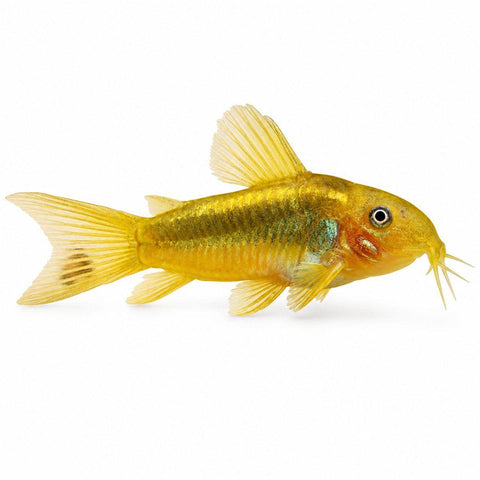
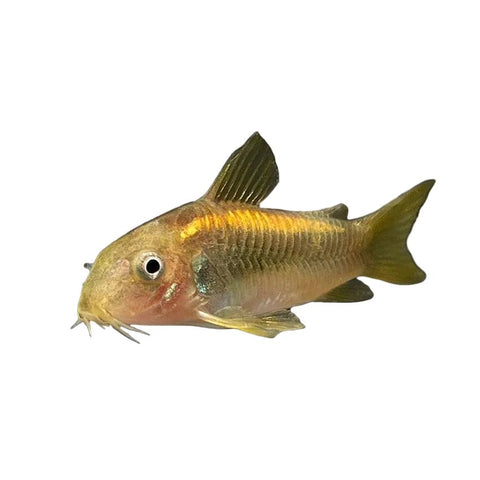
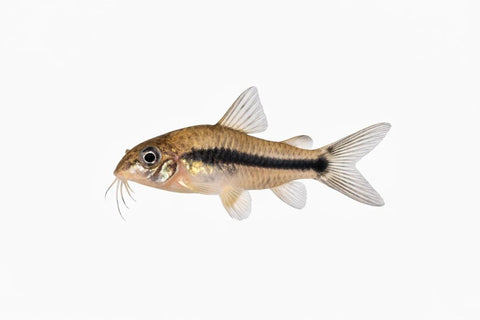
The Barbatus Corydoras is a unique and highly sought-after South American catfish, admired for its elongated body, striking metallic colouration, and impressive facial bristles that develop in mature males. Formerly classified as a Corydoras, this fascinating species now belongs to the genus Scleromystax and is one of the largest and most distinctive members of the Corydoradinae family.
Native to the cool, clear coastal streams of southeastern Brazil, the Barbatus Corydoras displays beautiful shades of bronze, green, blue, and silver that shimmer under aquarium lighting. Mature males develop long odontodes (bristle-like growths) around the cheeks and pectoral fins during breeding, giving them a unique appearance unlike any other Corydoras.
These peaceful bottom-dwellers thrive in well-oxygenated aquariums with a fine sand substrate, driftwood, smooth rocks, and dense planting. They should be kept in groups of at least six and make excellent companions for tetras, rasboras, rainbowfish, peaceful dwarf cichlids, and other community fish.
Hardy, active, and full of personality, the Barbatus Corydoras is an outstanding choice for aquarists looking for a rare and impressive bottom-dwelling species.
Scleromystax barbatus
Barbatus Corydoras
Southeastern Brazil
9–10 cm
Peaceful
Omnivore
90 Litres
20–25°C
6.0–7.5
2–12 dGH
Intermediate
8–10 Years
Community aquariums, planted tanks, and cool tropical aquariums
Although commonly known as the Barbatus Corydoras, this species is now scientifically classified as Scleromystax barbatus, a closely related genus of armoured catfish.
They are social fish and should always be kept in groups of at least six to encourage natural behaviour and reduce stress.
They readily accept quality sinking pellets, Corydoras wafers, frozen bloodworms, blackworms, brine shrimp, and other protein-rich sinking foods.
Mature males develop prominent bristle-like odontodes around their cheeks and pectoral fins during breeding, making them easy to distinguish from females.
Yes. A fine sand substrate allows them to forage naturally and helps protect their sensitive barbels.
Barbatus Corydoras prefer cooler tropical temperatures than many other Corydoras species.
They are social fish and should always be maintained in groups.
Coarse substrates can damage their barbels and discourage natural feeding behaviour.
Provide dedicated sinking foods to ensure they receive a balanced diet.
Clean, well-oxygenated water and regular maintenance are essential for keeping this species healthy.
Livestock is dispatched with heat/cool packs and oxygen from our Melbourne facility, timed for the safest transit. Live arrivals may be scheduled for the best shipping window. A live arrival guarantee applies - contact us within the required window if anything is not right.
We stand behind everything we sell. If something is not right, get in touch and we will make it right. See our returns policy for the details.
This fish has been through our dedicated quarantine system and is feeding, settled and health-checked before sale. We still recommend acclimating slowly and quarantining new additions at home. Our team is happy to talk you through the right setup - just ask.