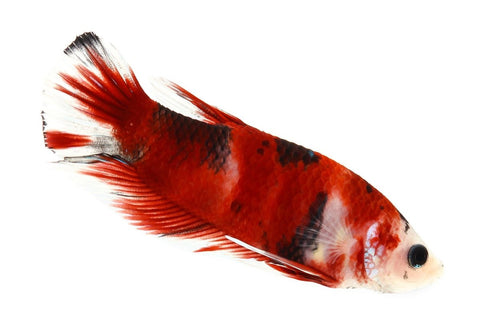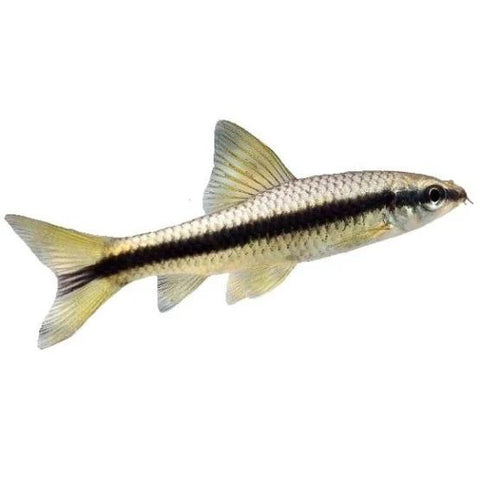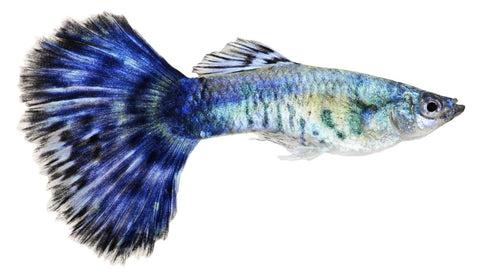
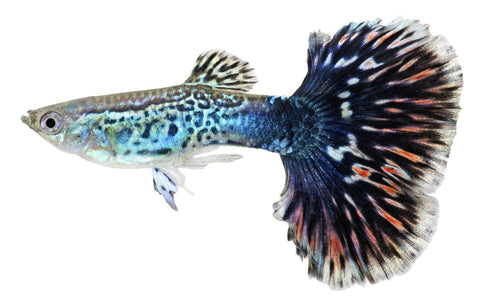
Assorted Guppy
From $7.00
Choose gender

Every fish passes through our dedicated quarantine system and strict biosecurity monitoring before sale - so it arrives healthy, settled and ready to thrive. How we quarantine →
| Tasmania | NO |
| Western Australia | NO |
| Northern Territory | NO |
| All Other States | YES |
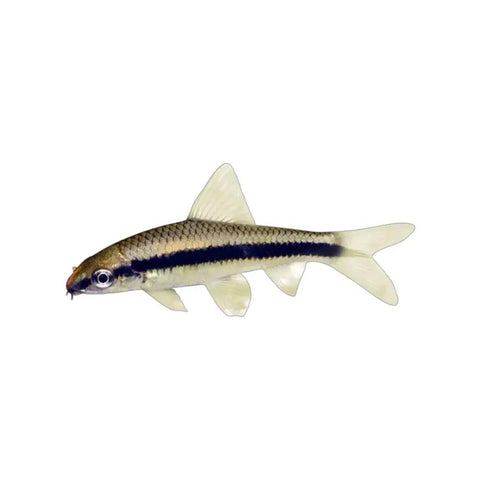
The Black Emperor Tetra is a striking freshwater aquarium fish valued for its dark, iridescent body, subtle metallic highlights and elegant fins. The name can be used commercially for dark-coloured Emperor Tetra varieties, but the exact identity should be confirmed before assigning a scientific name: the standard Emperor Tetra is Nematobrycon palmeri, while other dark tetras may be sold under similar trade names.
The Emperor Tetra originates from freshwater streams and tributaries in western Colombia, where it inhabits shaded waters with vegetation and submerged branches. Its reflective scales can display purple, blue or bronze tones depending on lighting, making it an attractive choice for planted aquariums and darker aquascapes.
Black Emperor Tetras are peaceful, active shoaling fish that spend much of their time swimming through the middle levels of the aquarium. They are well suited to planted freshwater community tanks and generally do best in groups of at least six, with eight to ten fish ideal where space permits.
An aquarium of 75 litres or larger is a practical starting point for a group. Provide live plants, driftwood, a darker substrate and open swimming areas. Subdued lighting can help accentuate their dark body colour and iridescent highlights.
Males may display and chase one another when establishing social hierarchies, but this behaviour is usually manageable when the group has sufficient space and cover. Avoid aggressive tankmates and larger predatory fish that may eat or intimidate them.
Black Emperor Tetras are omnivores and readily accept quality tropical flakes, micro-pellets and small granules. Supplement their diet with frozen or live foods such as brine shrimp, daphnia and bloodworms.
Offer small portions once or twice daily, providing only what the fish can consume within a few minutes. A varied diet supports healthy growth, good condition and rich dark colouration.
These tetras generally make excellent community fish when housed with similarly sized, peaceful species. Suitable companions include other small tetras, rasboras, corydoras catfish and other gentle community fish with compatible water requirements.
Avoid aggressive fish, large predators and persistent fin-nippers. Adult ornamental shrimp may sometimes coexist with them, but very small shrimplets could be eaten.
Maintain a fully cycled aquarium with good filtration, stable water parameters and regular partial water changes. With suitable group size, a balanced diet and a well-planted environment, Black Emperor Tetras are a rewarding choice for aquarists wanting a darker, more unusual schooling fish.
|
Care requirement |
Details |
|---|---|
|
Scientific name |
Nematobrycon palmeri — black colour form |
|
Common names |
Black Emperor Tetra, Black Emperor |
|
Family |
Characidae |
|
Origin |
Western Colombia; ornamental black form is selectively bred |
|
Care level |
Easy |
|
Adult size |
Approximately 4–5 cm |
|
Minimum aquarium size |
Around 75 litres for a group |
|
Temperature |
23–27°C |
|
pH |
Approximately 6.0–7.5 |
|
Water hardness |
Soft to moderately hard |
|
Diet |
Omnivore |
|
Temperament |
Peaceful; males may display or chase one another |
|
Swimming level |
Mainly mid-water |
|
Social requirements |
Groups of at least 6; 8–10 preferred |
|
Compatibility |
Peaceful, similarly sized community fish |
|
Aquarium type |
Freshwater planted or community aquarium |
|
Lifespan |
Approximately 3–6 years with good care |
|
Special requirements |
Stable water quality, plants and open swimming space |
The Black Emperor Tetra is commonly sold as a dark colour form of Nematobrycon palmeri. Nematobrycon amphiloxus, sometimes used in the trade, is generally treated as a synonym of this species.
They typically reach around 4–5 cm as adults, making them suitable for medium-sized planted community aquariums.
Keep at least six, with eight to ten preferred when aquarium space permits. A group helps them feel secure and encourages natural social behaviour.
Yes. They are generally hardy and readily accept prepared foods, making them a good option for beginners with a fully cycled aquarium.
They eat tropical flakes, micro-pellets, frozen foods and small live foods such as daphnia and brine shrimp. A varied diet helps maintain good condition.
Yes. They generally coexist well with peaceful tetras, rasboras and suitable bottom-dwelling fish. Avoid aggressive or predatory tankmates.
Provide a stable environment, a varied diet, a suitable shoal and a planted aquarium with a darker substrate. Subdued lighting can make their dark colour and iridescent highlights more noticeable.
1. Keeping too few fish: Small groups may be more nervous and display less natural behaviour. Maintain a shoal of at least six.
2. Using an undersized aquarium: These are active schooling fish that need room to swim. Choose a suitably sized tank with open swimming areas.
3. Choosing aggressive tankmates: Larger predators or persistent fin-nippers can cause stress and injury. Select peaceful species of a compatible size.
4. Feeding only one food type: A varied diet provides better nutritional balance than flakes alone. Include suitable frozen or live foods.
5. Neglecting water quality: Poor filtration and excess food can lead to harmful water conditions. Maintain biological filtration and perform regular partial water changes.
6. Keeping the aquarium too exposed: A bare, brightly lit tank may leave the fish feeling less secure. Add plants and driftwood while maintaining adequate swimming space.
Livestock is dispatched with heat/cool packs and oxygen from our Melbourne facility, timed for the safest transit. Live arrivals may be scheduled for the best shipping window. A live arrival guarantee applies - contact us within the required window if anything is not right.
We stand behind everything we sell. If something is not right, get in touch and we will make it right. See our returns policy for the details.
This fish has been through our dedicated quarantine system and is feeding, settled and health-checked before sale. We still recommend acclimating slowly and quarantining new additions at home. Our team is happy to talk you through the right setup - just ask.
Choose gender
Choose size