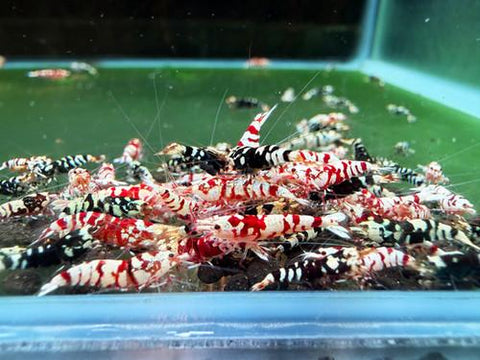
Mixed Galaxy Shrimp
From $18.00
Choose quantity

| Tasmania | NO |
| Western Australia | NO |
| Northern Territory | NO |
| All Other States | YES |
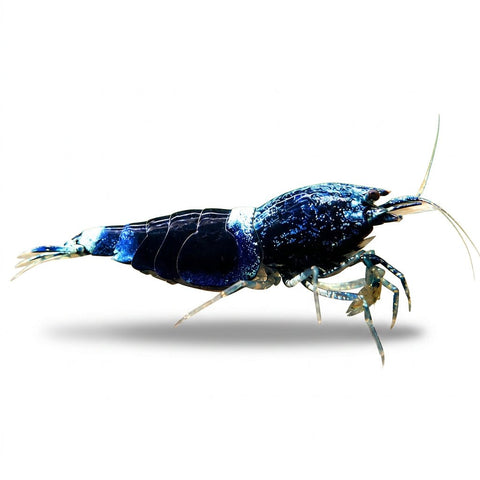
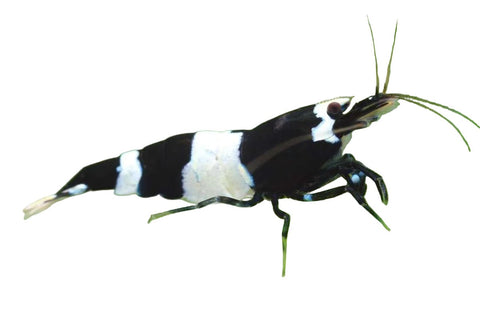
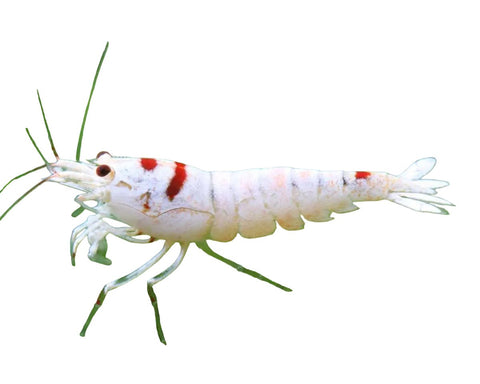
The Black Galaxy Shrimp is a stunning selectively bred freshwater ornamental shrimp, prized for its deep black body and distinctive white galaxy-like spotting. Its intricate markings create a striking contrast, making it a highly sought-after addition to specialist shrimp aquariums and planted nano tanks.
Belonging to the Caridina group, Black Galaxy Shrimp are selectively bred ornamental varieties associated with Taiwan Bee and Pinto shrimp genetics. They are not a separate scientifically recognised species, and their exact patterns can vary between individual shrimp.
These shrimp are peaceful, active grazers that spend much of their time exploring aquarium surfaces, plants, moss and driftwood in search of biofilm, algae and other naturally occurring food. Their small size and attractive markings make them particularly appealing for detailed aquascapes and dedicated shrimp displays.
Black Galaxy Shrimp prefer soft, slightly acidic water with low carbonate hardness and consistent mineral levels. They are more sensitive to water fluctuations than common Cherry Shrimp, making them better suited to established aquariums with carefully maintained water parameters. Using reverse osmosis (RO) water remineralised with a suitable shrimp mineral product is recommended.
Their diet should include specialist Caridina shrimp foods, biofilm, algae and occasional supplementary foods. Avoid overfeeding, as excess food can quickly affect water quality in smaller aquariums.
Black Galaxy Shrimp are generally peaceful and can be maintained with other similarly sized, non-aggressive invertebrates. However, a dedicated shrimp aquarium is recommended for the best breeding results. Fish may eat newly hatched shrimplets, so tankmates should be chosen carefully.
With suitable water conditions, plenty of grazing surfaces and a mature aquarium, Black Galaxy Shrimp can reproduce in freshwater. Females carry their eggs beneath their abdomen until miniature versions of the adults hatch.
|
Care Information |
Details |
|---|---|
|
Scientific Name |
Caridina sp. (selectively bred variety) |
|
Family |
Atyidae |
|
Origin |
Selectively bred ornamental variety |
|
Care Level |
Moderate to Advanced |
|
Adult Size |
2–3 cm |
|
Minimum Aquarium Size |
20 litres |
|
Temperature |
20–24°C |
|
pH |
5.8–6.5 |
|
GH |
4–6 dGH |
|
KH |
0–1 dKH |
|
TDS |
100–150 ppm |
|
Diet |
Omnivore / Biofilm grazer |
|
Temperament |
Peaceful |
|
Swimming Level |
All aquarium levels, primarily surfaces |
|
Compatibility |
Best with other peaceful shrimp |
|
Aquarium Type |
Freshwater, planted shrimp aquarium |
1. Are Black Galaxy Shrimp difficult to keep?
They require more attention than beginner shrimp varieties such as Cherry Shrimp. Stable, soft and slightly acidic water is essential for their long-term health.
2. What do Black Galaxy Shrimp eat?
They graze on biofilm and algae and should also receive specialist shrimp pellets, mineral foods and occasional supplementary vegetable-based foods.
3. Can Black Galaxy Shrimp live with fish?
They can coexist with some very small, peaceful fish, but fish may eat baby shrimp. A dedicated shrimp-only aquarium offers the best breeding success.
4. What water parameters do Black Galaxy Shrimp need?
They prefer soft, slightly acidic water with a GH of 4–6, KH of 0–1 and TDS around 100–150 ppm. Stability is particularly important.
5. Will Black Galaxy Shrimp breed in an aquarium?
Yes. They reproduce in freshwater, with females carrying eggs until they hatch into miniature shrimp. A mature aquarium with plenty of biofilm improves juvenile survival.
6. What is the difference between Black Galaxy and Black Galaxy Fishbone Shrimp?
Both are selectively bred Caridina varieties. Galaxy patterns feature distinctive white spotting, while Fishbone varieties display additional branching markings along the body resembling a fish skeleton.
1. Keeping them in unsuitable water: Avoid hard, alkaline water. Maintain the soft, slightly acidic conditions they require.
2. Introducing them into immature aquariums: Newly established tanks often lack sufficient biofilm and may experience unstable water parameters.
3. Allowing temperature fluctuations: Sudden temperature changes can cause significant stress. Maintain a consistent temperature.
4. Overfeeding: Excess food can quickly deteriorate water quality. Feed small portions and remove uneaten food.
5. Keeping them with unsuitable tankmates: Larger or predatory fish may eat adult shrimp or newly hatched shrimplets.
6. Skipping proper acclimatisation: Always drip acclimatise carefully, particularly when transferring shrimp between aquariums with different TDS and mineral levels.
Dispatched from our Melbourne facility, usually within 1-2 business days. Delivery time and cost are calculated at checkout based on your address.
We stand behind everything we sell. If something is not right, get in touch and we will make it right. See our returns policy for the details.
Choose quantity
Choose quantity
Choose quantity