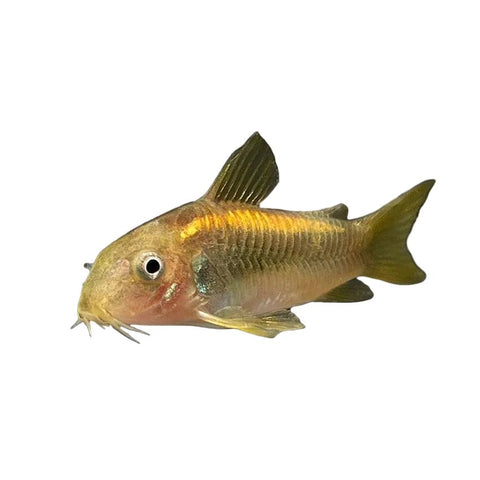
Assorted Corydora
$10.00

Every fish passes through our dedicated quarantine system and strict biosecurity monitoring before sale - so it arrives healthy, settled and ready to thrive. How we quarantine →
| Tasmania | NO |
| Western Australia | NO |
| Northern Territory | NO |
| All Other States | YES |
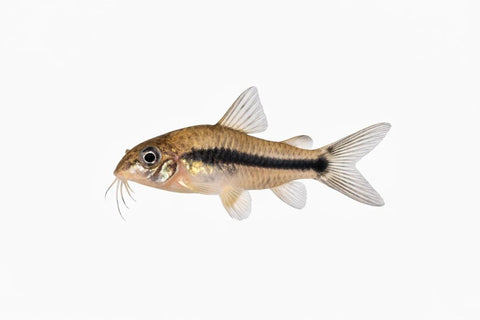
The Black Venezuela Corydora is a striking, dark-coloured freshwater catfish that brings beautiful contrast and constant activity to the bottom of a community aquarium. Its deep black to dark chocolate body, sometimes displaying subtle bronze or reddish highlights, makes it especially eye-catching against light sand and lush green aquatic plants.
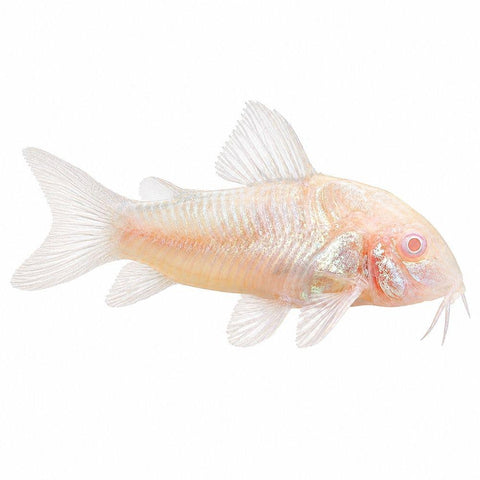
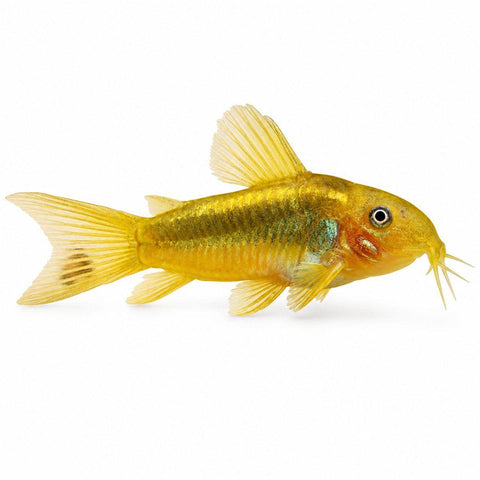
Like other Corydoras, this peaceful bottom-dweller has protective bony plates and sensitive barbels around its mouth, which it uses to explore the substrate and locate food. It spends much of its day actively sifting through the bottom of the aquarium, searching for edible particles and interacting with other members of its group.
Black Venezuela Corydoras are social fish and should be kept in groups of at least six. In a suitable group, they often display more confident, natural behaviour as they forage and rest together. They generally make excellent additions to peaceful community aquariums with compatible tetras, rasboras and other non-aggressive tropical fish.
Provide fine sand or smooth substrate, plants, driftwood and sheltered resting areas. Although these fish are adaptable, maintaining clean, stable water conditions is important for their long-term health.
Feed a varied diet of quality sinking pellets or catfish wafers, supplemented with frozen or live foods such as bloodworms, daphnia and brine shrimp. While they are enthusiastic scavengers, they still require dedicated feeding rather than relying on leftover food from other fish
Yes. They are peaceful bottom-dwelling fish that suit community aquariums with compatible, non-aggressive tank mates.
Keep a group of at least six of the same type. Larger groups can encourage more natural shoaling behaviour.
They accept sinking pellets and catfish wafers, as well as frozen or live foods such as bloodworms, daphnia and brine shrimp.
They forage for food scraps, but they still need dedicated feeding. They should never be relied upon to survive on leftover food alone.
Fine sand or smooth, rounded substrate is recommended to help protect their sensitive barbels while foraging.
They may coexist with larger shrimp, but tiny shrimplets can be eaten opportunistically.
Keeping a single Corydoras instead of a group.
Using sharp gravel that can damage their barbels.
Assuming they will survive on leftover food.
Housing them with aggressive fish.
Neglecting water quality and regular maintenance.
Making sudden changes to temperature or water chemistry.
Livestock is dispatched with heat/cool packs and oxygen from our Melbourne facility, timed for the safest transit. Live arrivals may be scheduled for the best shipping window. A live arrival guarantee applies - contact us within the required window if anything is not right.
We stand behind everything we sell. If something is not right, get in touch and we will make it right. See our returns policy for the details.
This fish has been through our dedicated quarantine system and is feeding, settled and health-checked before sale. We still recommend acclimating slowly and quarantining new additions at home. Our team is happy to talk you through the right setup - just ask.