Sold out
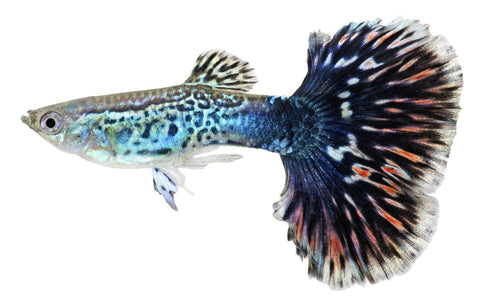
Assorted Guppy
From $7.00

Every fish passes through our dedicated quarantine system and strict biosecurity monitoring before sale - so it arrives healthy, settled and ready to thrive. How we quarantine →
| Tasmania | NO |
| Western Australia | NO |
| Northern Territory | NO |
| All Other States | YES |
The Bleeding Heart Tetra is one of the most elegant and distinctive South American tetras, instantly recognised by the vivid crimson "bleeding heart" spot located behind its gills. Native to the upper Amazon River Basin in Peru and Colombia, this peaceful schooling fish is prized for its graceful swimming, shimmering silver body, and flowing black-and-white fins.
Unlike many smaller tetras, the Bleeding Heart Tetra has a deeper body and develops beautiful extended dorsal and anal fins as it matures, particularly in males. Their calm temperament makes them ideal for peaceful community aquariums where they can be kept alongside Angelfish, Corydoras, Rainbowfish, Gouramis, Dwarf Cichlids, and other non-aggressive species.
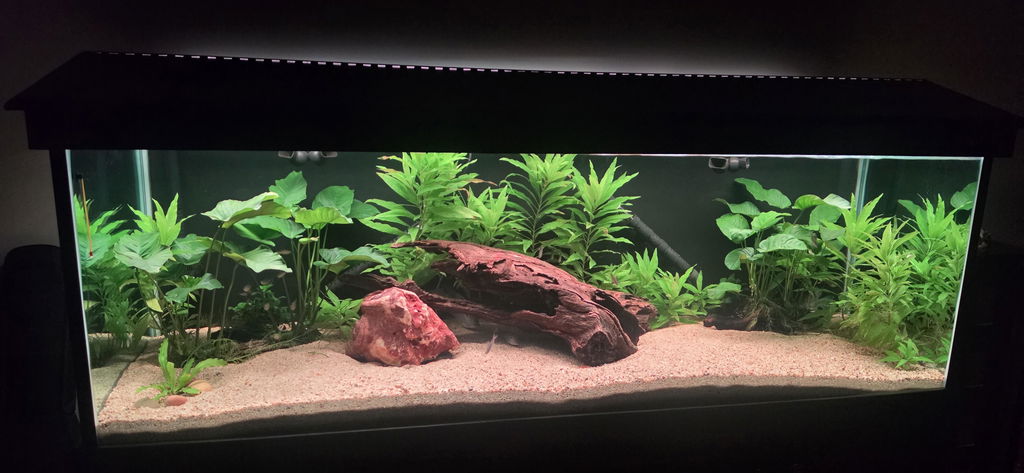
They thrive in heavily planted aquariums with driftwood, subdued lighting, and open swimming areas. Keeping them in schools of at least six encourages natural behaviour, improves confidence, and results in a much more impressive display. A varied diet of premium flakes, micro pellets, frozen bloodworms, brine shrimp, daphnia, and live foods will maximise their colouration and overall health.
Graceful, peaceful, and beautifully marked, the Bleeding Heart Tetra is an outstanding addition to any planted or South American community aquarium.
Hyphessobrycon erythrostigma
Bleeding Heart Tetra
Upper Amazon Basin (Peru and Colombia)
6–7 cm
Peaceful
Omnivore
90 Litres
24–28°C
5.5–7.5
2–12 dGH
Beginner
5–7 Years
Planted aquariums and peaceful community tanks
Bleeding Heart Tetras are schooling fish and should always be kept in groups of at least six. Schools of eight or more encourage natural behaviour and create a stunning display.
Yes. They are extremely peaceful and make excellent companions for other calm tropical fish.
They readily accept quality flakes, micro pellets, frozen bloodworms, brine shrimp, daphnia, mosquito larvae, and other live or frozen foods.
Yes. Their peaceful temperament and larger size make them one of the best tetra species to keep with freshwater Angelfish.
Stress, poor water quality, inadequate nutrition, or being kept in small groups can reduce colour intensity. Excellent water quality and a varied diet will help maintain vibrant colours.
Bleeding Heart Tetras are schooling fish and become shy or stressed when kept in groups smaller than six.
Driftwood, floating plants, and dense vegetation help them feel secure and display their best colours.
Stable water parameters and regular water changes are essential for healthy, vibrant fish.
A varied diet including frozen and live foods helps maximise colouration and overall health.
Choose peaceful community species that won't harass or outcompete these graceful tetras.
Livestock is dispatched with heat/cool packs and oxygen from our Melbourne facility, timed for the safest transit. Live arrivals may be scheduled for the best shipping window. A live arrival guarantee applies - contact us within the required window if anything is not right.
We stand behind everything we sell. If something is not right, get in touch and we will make it right. See our returns policy for the details.
This fish has been through our dedicated quarantine system and is feeding, settled and health-checked before sale. We still recommend acclimating slowly and quarantining new additions at home. Our team is happy to talk you through the right setup - just ask.
Choose size