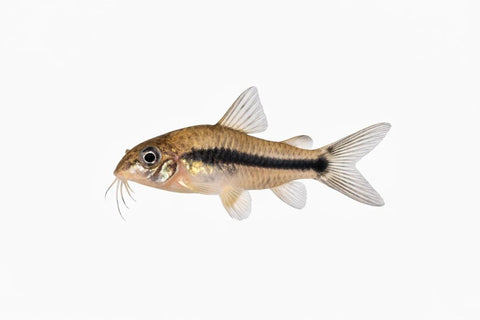
Pygmy Corydora
$15.00

Every fish passes through our dedicated quarantine system and strict biosecurity monitoring before sale - so it arrives healthy, settled and ready to thrive. How we quarantine →
| Tasmania | NO |
| Western Australia | NO |
| Northern Territory | NO |
| All Other States | YES |
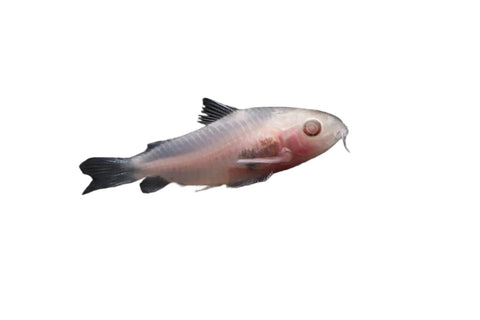
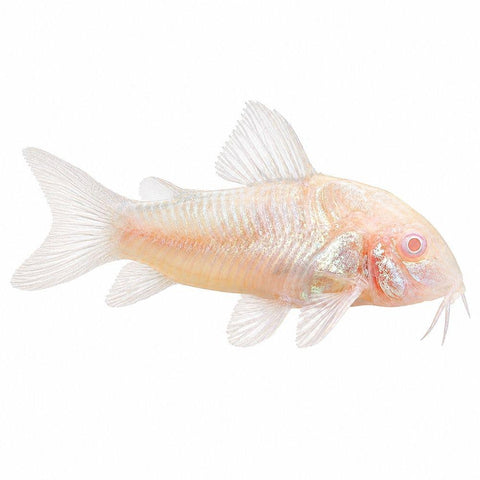
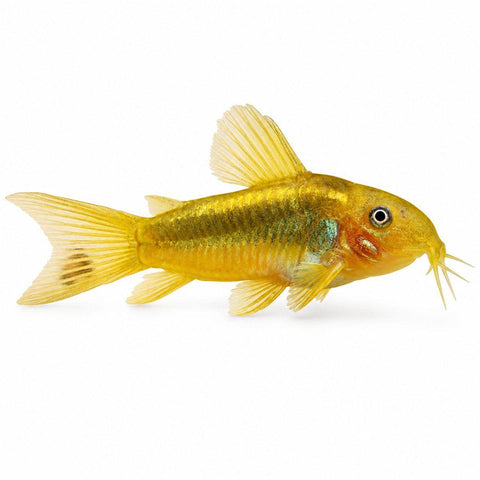
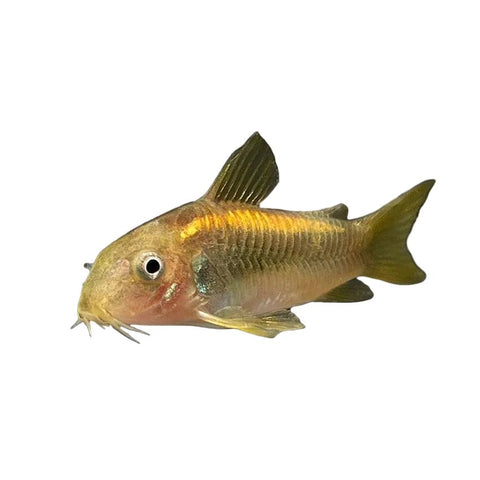
The Brochis, also known as the Emerald Corydoras, is a stunning freshwater catfish admired for its brilliant metallic emerald-green body and peaceful nature. Native to the slow-moving rivers, floodplains, and tributaries of the Amazon Basin in South America, this larger relative of the common Corydoras is a favourite among aquarists looking for an attractive and hardworking bottom dweller.
Unlike smaller Corydoras species, the Emerald Brochis grows to around 8–9 cm and has a more robust body with a taller dorsal fin. Their iridescent green, blue, and bronze colouration changes beautifully under different lighting conditions, making them a striking addition to planted and community aquariums.
Brochis are highly social fish and should always be kept in groups of at least six. They spend much of their day searching the substrate for leftover food while helping to keep the aquarium tidy. A soft sand substrate is highly recommended to protect their sensitive barbels and allow them to forage naturally.
Hardy, peaceful, and easy to care for, the Emerald Brochis is an excellent choice for community aquariums containing tetras, rasboras, gouramis, rainbowfish, dwarf cichlids, and other peaceful tropical species.
Brochis splendens
Brochis / Emerald Corydoras
Amazon Basin, South America
8–9 cm
Peaceful
Omnivore
90 Litres
22–28°C
6.0–7.5
2–15 dGH
Beginner
8–10 Years
Community aquariums and planted tanks
Yes. Brochis splendens is commonly known as the Emerald Corydoras or Emerald Brochis. Although historically placed in the genus Brochis, it is often grouped with Corydoras due to updated scientific classification.
They are schooling fish and should always be kept in groups of at least six. Larger groups display more natural behaviour and are much more confident.
They enjoy quality sinking pellets, algae wafers, frozen bloodworms, blackworms, brine shrimp, and other sinking foods. They should not rely solely on leftover food.
Yes. They are peaceful and generally ignore adult shrimp and most juvenile shrimp, making them excellent tank mates for shrimp aquariums.
A fine sand substrate is highly recommended, allowing them to forage naturally without damaging their sensitive barbels.
Emerald Brochis are social fish that become stressed when kept individually or in small groups.
Sharp gravel can damage their barbels and prevent natural feeding behaviour.
They require dedicated sinking foods to remain healthy and should not be relied upon as "clean-up fish."
Regular water changes and good filtration are essential for maintaining healthy barbels and vibrant colouration.
Choose peaceful tank mates that won't outcompete or harass these gentle bottom dwellers.
Livestock is dispatched with heat/cool packs and oxygen from our Melbourne facility, timed for the safest transit. Live arrivals may be scheduled for the best shipping window. A live arrival guarantee applies - contact us within the required window if anything is not right.
We stand behind everything we sell. If something is not right, get in touch and we will make it right. See our returns policy for the details.
This fish has been through our dedicated quarantine system and is feeding, settled and health-checked before sale. We still recommend acclimating slowly and quarantining new additions at home. Our team is happy to talk you through the right setup - just ask.