Sold out
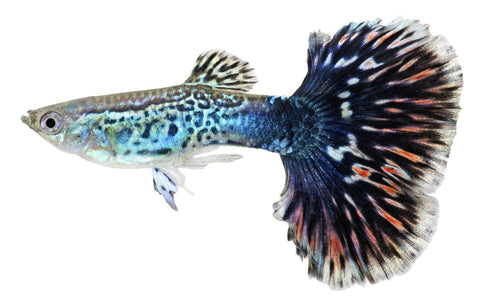
Assorted Guppy
From $7.00

Every fish passes through our dedicated quarantine system and strict biosecurity monitoring before sale - so it arrives healthy, settled and ready to thrive. How we quarantine →
| Tasmania | NO |
| Western Australia | NO |
| Northern Territory | NO |
| All Other States | YES |
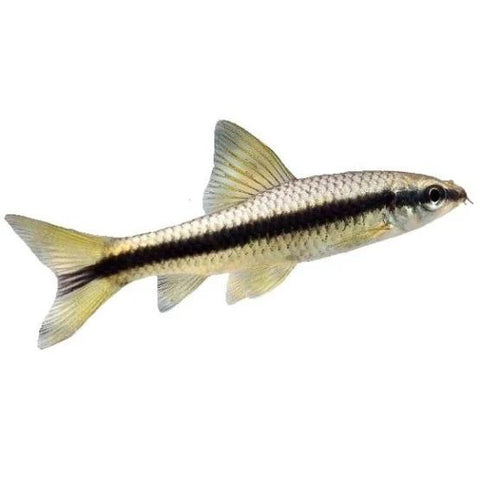
The Croaking Gourami is a peaceful and fascinating freshwater fish, famous for its unique ability to produce an audible "croaking" sound during courtship and territorial displays. Native to the slow-moving swamps, rice paddies, and forest streams of Southeast Asia, this beautifully understated species features an iridescent bronze body adorned with shimmering blue-green scales and delicate horizontal stripes.
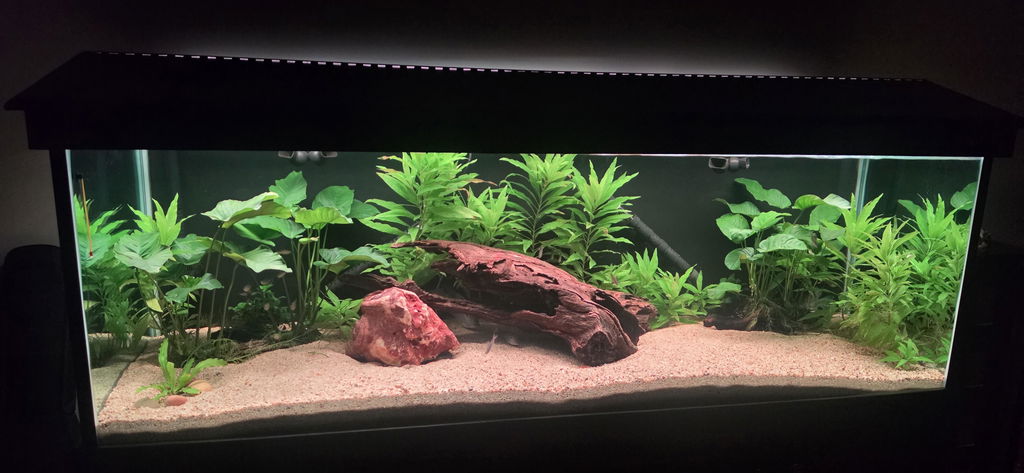
Unlike many larger gouramis, the Croaking Gourami is perfectly suited to nano and planted aquariums. They thrive in heavily planted tanks with floating plants, driftwood, leaf litter, and gentle water movement that closely replicate their natural habitat. Their inquisitive personality and peaceful nature make them excellent companions for small tetras, rasboras, Corydoras, kuhli loaches, and other calm community fish.
As labyrinth fish, Croaking Gouramis can breathe atmospheric oxygen and are frequently seen visiting the water's surface. Males produce their distinctive croaking sound by vibrating specialised muscles attached to their pectoral fins, particularly during breeding displays or when establishing territory.
A varied diet of quality micro pellets, flakes, frozen foods, and live foods will keep them healthy while encouraging their natural colours and fascinating behaviour.
Trichopsis vittata
Croaking Gourami
Thailand, Cambodia, Vietnam, Laos and Malaysia
6–7 cm
Peaceful
Omnivore
60 Litres
24–28°C
6.0–7.5
2–15 dGH
Beginner
4–6 Years
Planted aquariums, nano aquariums, and peaceful community tanks
Males produce a distinctive croaking or clicking sound by vibrating specialised muscles attached to their pectoral fins during courtship and territorial displays.
Yes. They are hardy, peaceful, and relatively easy to care for, making them an excellent choice for beginner aquarists.
They readily accept quality flakes, micro pellets, frozen bloodworms, daphnia, brine shrimp, mosquito larvae, and live foods.
Adult Amano Shrimp and larger Neocaridina shrimp are generally safe, although newly hatched shrimplets may occasionally be eaten.
Yes. Dense planting, floating plants, driftwood, and shaded areas help them feel secure and encourage natural behaviour.
Croaking Gouramis thrive in heavily planted aquariums with plenty of cover.
They naturally inhabit calm waters and prefer gentle filtration.
Avoid fin-nipping or highly active species that may stress these peaceful gouramis.
Stable water conditions and regular maintenance are essential for their long-term health.
Like all gouramis, they require unobstructed access to the water's surface to breathe atmospheric oxygen.
Livestock is dispatched with heat/cool packs and oxygen from our Melbourne facility, timed for the safest transit. Live arrivals may be scheduled for the best shipping window. A live arrival guarantee applies - contact us within the required window if anything is not right.
We stand behind everything we sell. If something is not right, get in touch and we will make it right. See our returns policy for the details.
This fish has been through our dedicated quarantine system and is feeding, settled and health-checked before sale. We still recommend acclimating slowly and quarantining new additions at home. Our team is happy to talk you through the right setup - just ask.
Choose size