Sold out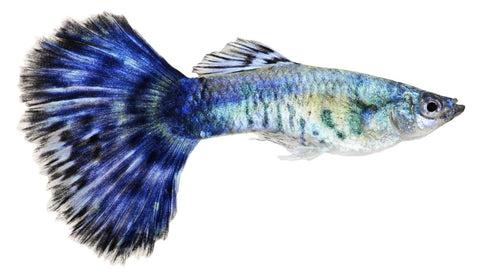
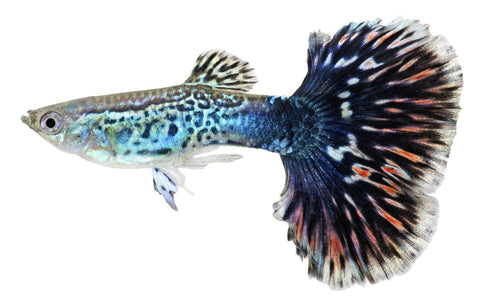
Assorted Guppy
From $7.00

Every fish passes through our dedicated quarantine system and strict biosecurity monitoring before sale - so it arrives healthy, settled and ready to thrive. How we quarantine →
| Tasmania | NO |
| Western Australia | NO |
| Northern Territory | NO |
| All Other States | YES |
The Diamond Tetra is a stunning freshwater schooling fish renowned for its shimmering iridescent scales that sparkle with blue, green, gold, and violet hues under aquarium lighting. Native to Lake Valencia in Venezuela, this peaceful tetra is an excellent addition to planted aquariums and community tanks, where its brilliant colours truly stand out.
While young Diamond Tetras may appear relatively plain, mature fish develop their signature diamond-like iridescence, making them one of the most eye-catching tetra species available. They are active, social fish that should always be kept in schools of at least six, with larger groups displaying more natural behaviour and enhanced colouration.
Diamond Tetras thrive in well-maintained aquariums with live plants, driftwood, and open swimming areas. They are peaceful companions for Corydoras, rasboras, dwarf cichlids, rainbowfish, gouramis, and other non-aggressive community species. Feeding a varied diet of quality flakes, micro pellets, frozen foods, and live treats will help maintain their health and maximise their spectacular colours.
Moenkhausia pittieri
Diamond Tetra
Lake Valencia Basin, Venezuela
5–6 cm
Peaceful
Omnivore
75 Litres
24–28°C
6.0–7.5
2–15 dGH
Beginner to Intermediate
4–6 Years
Peaceful community and planted aquariums
Yes. They are hardy, peaceful, and easy to care for, making them suitable for beginners with a cycled aquarium.
A minimum of six is recommended, although groups of eight or more will display better schooling behaviour and brighter colours.
They readily accept quality flakes, micro pellets, frozen bloodworms, brine shrimp, daphnia, and other small live foods.
Adult shrimp such as Amano Shrimp are generally safe, while very small shrimp and shrimplets may occasionally be eaten.
Young fish often lack their full colouration. Mature fish kept in excellent water conditions with a varied diet and dark surroundings develop the most vibrant iridescence.
Diamond Tetras are schooling fish and become stressed when kept alone or in very small groups.
Their signature diamond-like shimmer develops as they mature.
Avoid keeping them with large or aggressive fish that may bully them.
Stable, clean water is essential for maintaining their health and brilliant colours.
A varied diet helps enhance colour, immunity, and overall wellbeing.
Livestock is dispatched with heat/cool packs and oxygen from our Melbourne facility, timed for the safest transit. Live arrivals may be scheduled for the best shipping window. A live arrival guarantee applies - contact us within the required window if anything is not right.
We stand behind everything we sell. If something is not right, get in touch and we will make it right. See our returns policy for the details.
This fish has been through our dedicated quarantine system and is feeding, settled and health-checked before sale. We still recommend acclimating slowly and quarantining new additions at home. Our team is happy to talk you through the right setup - just ask.
Choose size