Sale

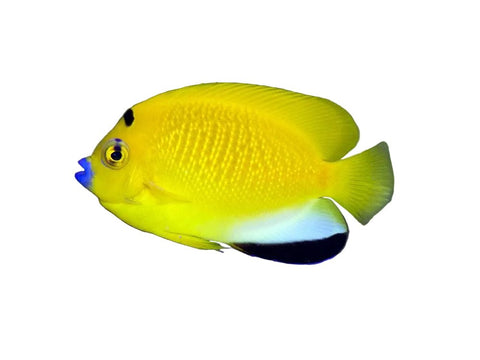
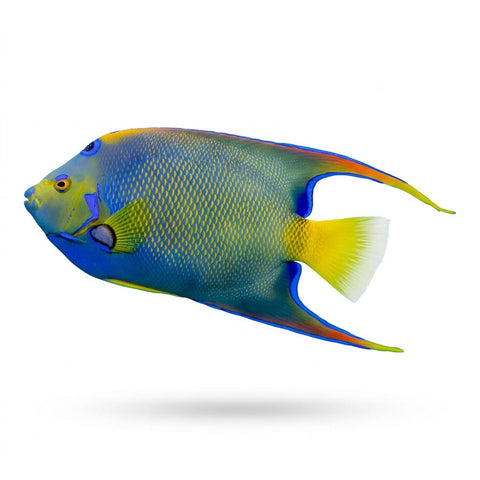
Koran Angel
$126.00
$180.00

Every fish passes through our dedicated quarantine system and strict biosecurity monitoring before sale - so it arrives healthy, settled and ready to thrive. How we quarantine →
| Tasmania | YES |
| Western Australia | YES |
| Northern Territory | NO |
| All Other States | YES |
The Flame Angelfish (Centropyge loricula) is one of the most popular dwarf angelfish in the marine aquarium hobby, admired for its brilliant red-orange body, bold vertical black stripes and electric-blue edging along its fins.
Native to the tropical Pacific Ocean, including parts of the central and western Pacific, this species inhabits coral-rich lagoons and outer reef slopes. It spends much of its time grazing on algae and picking at small organisms among live rock and coral formations.
Despite its small size, the Flame Angelfish has a confident personality and is an active swimmer. It appreciates an established aquarium with plenty of mature live rock, caves and hiding places.
Flame Angels are omnivores and should receive a varied diet containing marine algae, spirulina, mysis shrimp and quality angelfish preparations. Regular feeding and a varied diet help maintain their vibrant colour and overall condition.
This species is considered reef safe with caution. Some individuals coexist peacefully with corals, while others may nip at fleshy LPS corals, zoanthids, clams and other sessile invertebrates. Individual behaviour can vary, so close observation is recommended when introducing one to a reef aquarium.
|
Care Requirement |
Details |
|---|---|
|
Scientific Name |
Centropyge loricula |
|
Family |
Pomacanthidae |
|
Origin |
Central and Western Pacific, including the Great Barrier Reef |
|
Care Level |
Moderate |
|
Maximum Size |
Approximately 10 cm |
|
Minimum Aquarium |
200 litres recommended |
|
Temperature |
24–27°C |
|
pH |
8.1–8.4 |
|
Salinity |
1.023–1.026 SG |
|
Diet |
Omnivore |
|
Temperament |
Semi-aggressive |
|
Swimming Level |
All levels, particularly around rockwork |
|
Reef Compatible |
With caution |
|
Aquarium Type |
Marine reef or fish-only |
|
Special Requirements |
Mature live rock, grazing areas and hiding places |
1. How big does a Flame Angelfish grow?
Flame Angelfish typically reach around 8–10 cm in length. They are active fish that need plenty of swimming space and established rockwork.
2. Are Flame Angelfish reef safe?
They are considered reef safe with caution. Many individuals live successfully in reef aquariums, but some may nip at LPS corals, soft corals, zoanthids and clam mantles. Individual behaviour varies.
3. What do Flame Angelfish eat?
They enjoy a varied diet of marine algae, spirulina, nori, mysis shrimp, enriched brine shrimp and quality angelfish preparations. Sponge-containing angelfish foods are also beneficial.
4. Can Flame Angelfish be kept with other angelfish?
They can become territorial towards other dwarf angelfish, particularly in smaller aquariums. Keeping one specimen is generally the safest approach unless the aquarium is very large and carefully planned.
5. Where do Flame Angelfish come from?
They are native to the tropical Pacific Ocean, including the Marshall Islands, Society Islands, Hawaii and Australia's Great Barrier Reef.
6. How can you tell the difference between male and female Flame Angelfish?
Males are generally larger and often have more pronounced blue markings along their dorsal and anal fins. Like other dwarf angelfish, they are protogynous hermaphrodites, meaning individuals begin life as females and dominant individuals can transition into males.
Assuming they are completely reef safe: Some individuals develop a habit of nipping at corals and clams.
Keeping them in immature aquariums: They benefit from established live rock with natural algae and microorganisms to graze on.
Feeding only meaty foods: Their diet needs plenty of vegetable-based foods and marine algae.
Keeping multiple dwarf angelfish in a small tank: Territorial behaviour can lead to chasing, stress and injuries.
Providing insufficient hiding places: Live rock caves and crevices help them feel secure and establish territories.
Ignoring changes in feeding behaviour: A Flame Angel that stops eating or begins hiding constantly may be experiencing stress, bullying or health problems.
Livestock is dispatched with heat/cool packs and oxygen from our Melbourne facility, timed for the safest transit. Live arrivals may be scheduled for the best shipping window. A live arrival guarantee applies - contact us within the required window if anything is not right.
We stand behind everything we sell. If something is not right, get in touch and we will make it right. See our returns policy for the details.
This fish has been through our dedicated quarantine system and is feeding, settled and health-checked before sale. We still recommend acclimating slowly and quarantining new additions at home. Our team is happy to talk you through the right setup - just ask.