Sold out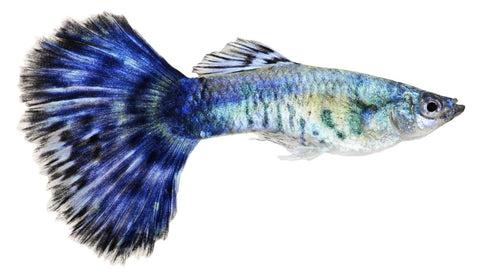
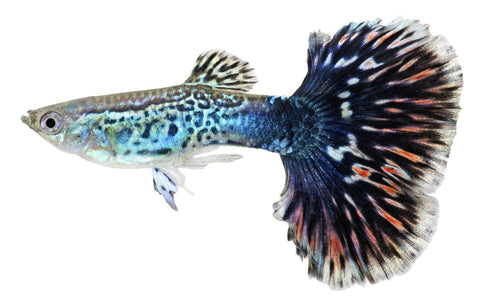
Assorted Guppy
From $7.00

Every fish passes through our dedicated quarantine system and strict biosecurity monitoring before sale - so it arrives healthy, settled and ready to thrive. How we quarantine →
| Tasmania | NO |
| Western Australia | NO |
| Northern Territory | NO |
| All Other States | YES |
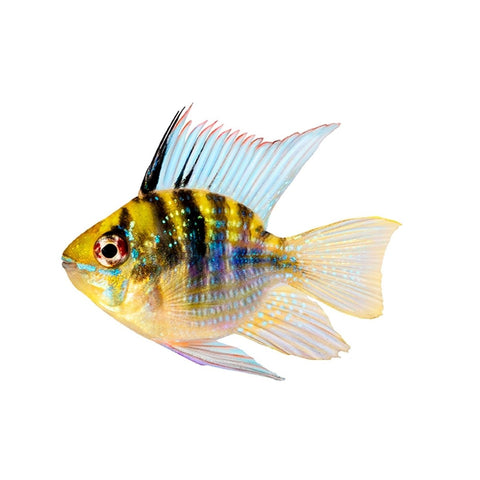
The German Blue Ram (Mikrogeophagus ramirezi) is one of the most colourful and sought-after dwarf cichlids in the freshwater aquarium hobby. Renowned for its vibrant electric blue spangling, golden body, striking black markings and flashes of red and yellow, this peaceful South American species is a favourite among aquascapers and community aquarium enthusiasts alike.
Despite being a cichlid, the German Blue Ram is generally peaceful and thrives in well-maintained planted aquariums with stable water conditions. They are best kept as a bonded pair or alongside other calm community fish such as tetras, rasboras and Corydoras catfish. Their inquisitive personality and fascinating breeding behaviours make them an enjoyable centrepiece for smaller aquariums.
German Blue Rams appreciate warm, clean water with plenty of plants, driftwood and open swimming areas. They readily accept quality pellets, frozen foods and live foods, rewarding owners with exceptional colouration and active behaviour.
Whether you're creating a stunning aquascape or adding a vibrant feature fish to your tropical aquarium, the German Blue Ram is an outstanding choice for aquarists looking for beauty, personality and natural behaviour.
Mikrogeophagus ramirezi
German Blue Ram
Orinoco River Basin, Venezuela and Colombia
6–7 cm
Peaceful
Omnivore
75 Litres
27–30°C
5.5–7.0
1–10 dGH
Intermediate
2–4 Years
Peaceful community aquariums, planted aquariums and aquascapes
German Blue Rams are best suited to aquarists with some experience. They require consistently warm, clean water and are more sensitive to poor water quality than many other tropical fish.
Yes. They are peaceful and do well with other calm tropical fish such as tetras, rasboras, Corydoras and peaceful dwarf cichlids. Avoid aggressive or fin-nipping species.
They are omnivores and enjoy a varied diet including high-quality micro pellets, frozen bloodworms, brine shrimp, daphnia and occasional live foods.
Adult German Blue Rams typically reach around 6–7 cm in length, making them ideal for smaller planted aquariums.
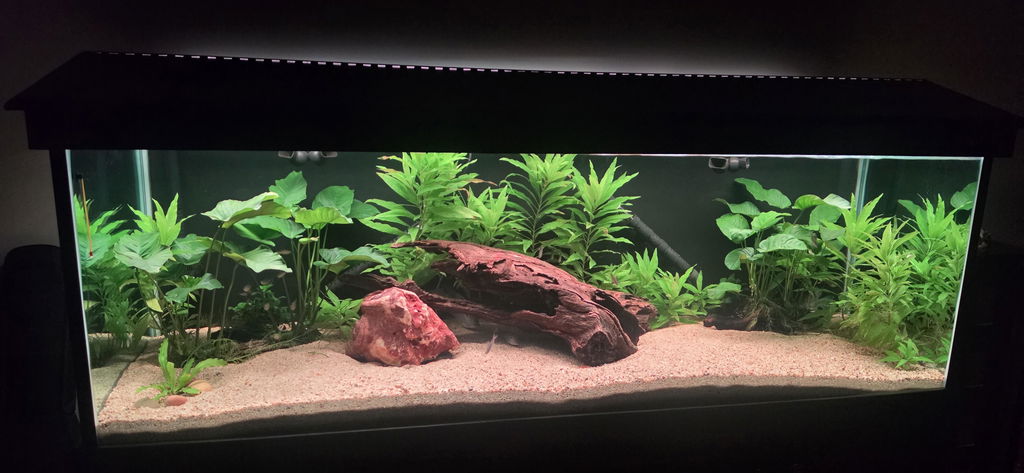
Absolutely. They thrive in heavily planted aquariums with driftwood, rocks and open areas for swimming. Live plants also help maintain excellent water quality.
A compatible pair may breed in a well-maintained aquarium with warm, soft water. They lay eggs on flat stones or broad leaves and both parents often help guard the eggs and fry.
German Blue Rams require warmer temperatures than many tropical fish. Prolonged exposure to cooler water can weaken their immune system and shorten their lifespan.
They are sensitive to ammonia, nitrite and fluctuating water conditions. Regular maintenance and stable parameters are essential.
Large or aggressive tank mates can stress German Blue Rams, causing them to hide, lose colour or stop feeding.
Routine water changes help maintain excellent water quality and reduce the risk of disease.
A varied diet helps maintain vibrant colours, strong immunity and successful breeding behaviour.
German Blue Rams should only be introduced to a fully cycled, stable aquarium, as they are less tolerant of unstable water conditions than many beginner fish.
Livestock is dispatched with heat/cool packs and oxygen from our Melbourne facility, timed for the safest transit. Live arrivals may be scheduled for the best shipping window. A live arrival guarantee applies - contact us within the required window if anything is not right.
We stand behind everything we sell. If something is not right, get in touch and we will make it right. See our returns policy for the details.
This fish has been through our dedicated quarantine system and is feeding, settled and health-checked before sale. We still recommend acclimating slowly and quarantining new additions at home. Our team is happy to talk you through the right setup - just ask.
Choose size