Sale
Sold out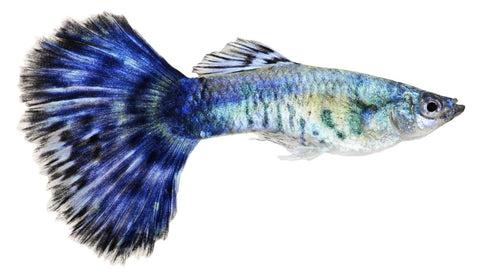
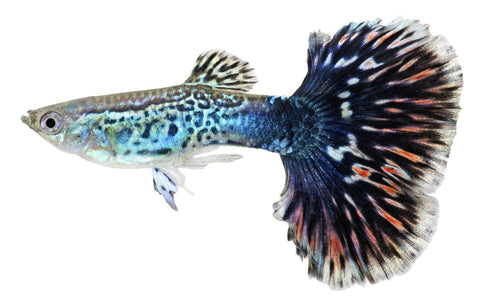
Assorted Guppy
From $4.90
$7.00

Every fish passes through our dedicated quarantine system and strict biosecurity monitoring before sale - so it arrives healthy, settled and ready to thrive. How we quarantine →
| Tasmania | NO |
| Western Australia | NO |
| Northern Territory | NO |
| All Other States | YES |
The Lemon Tetra (Hyphessobrycon pulchripinnis) is a peaceful and attractive South American schooling fish, known for its soft lemon-yellow colouring, translucent silver-gold body and distinctive red eyes. Its dorsal and anal fins feature striking black and yellow markings, which become more pronounced as the fish matures and settles into a suitable aquarium.
Native to Brazil, particularly the Rio Tapajós basin, Lemon Tetras inhabit freshwater environments where vegetation, submerged wood and natural cover provide shelter. They are active mid-water swimmers and thrive in planted aquariums with open swimming areas.
Lemon Tetras are an excellent choice for peaceful community aquariums. They should be kept in a group of at least 6, with 8–10 or more recommended to encourage natural schooling behaviour and help them feel secure. In larger groups, males may display their colours and compete harmlessly with one another.
They are generally compatible with other peaceful fish of a similar size, including other small tetras, rasboras, Corydoras and peaceful dwarf cichlids. Avoid housing them with large predatory fish or aggressive fin-nippers. They are generally safe with aquarium plants and adult ornamental shrimp, although very small shrimp may be eaten.
Lemon Tetras are omnivores and readily accept quality tropical flakes, micro pellets and small frozen or live foods. A varied diet containing brine shrimp, daphnia and bloodworms helps maintain their health and brings out their yellow colouring.
With stable water conditions, a suitable school and good aquarium maintenance, Lemon Tetras are a hardy and rewarding addition to a planted community aquarium.
|
Care Information |
Details |
|---|---|
|
Scientific Name |
Hyphessobrycon pulchripinnis |
|
Family |
Characidae (commonly classified as American tetras) |
|
Origin |
Brazil, South America |
|
Care Level |
Easy |
|
Maximum Size |
Approximately 4–5 cm |
|
Minimum Aquarium |
75 litres recommended |
|
Temperature |
23–28°C |
|
pH |
5.5–7.5 |
|
Water Hardness |
2–15 dGH |
|
Salinity |
Freshwater |
|
Diet |
Omnivore |
|
Temperament |
Peaceful |
|
Swimming Level |
Mid-water |
|
Reef Compatible |
Not applicable – freshwater species |
|
Plant Compatible |
Yes |
|
Aquarium Type |
Planted community aquarium |
|
Special Requirements |
Keep in a school of at least 6, ideally 8–10 or more |
1. How many Lemon Tetras should I keep together?
Lemon Tetras are schooling fish and should be kept in groups of at least 6. A group of 8–10 or more is recommended for more natural behaviour and confidence.
2. Are Lemon Tetras peaceful?
Yes. They are generally peaceful and suitable for community aquariums with other small, non-aggressive fish.
3. What size do Lemon Tetras grow to?
They typically reach approximately 4–5 cm in length when fully grown.
4. What do Lemon Tetras eat?
They accept tropical flakes, micro pellets, frozen bloodworms, brine shrimp and daphnia. Offering a varied diet helps maintain their health and colour.
5. Are Lemon Tetras suitable for planted aquariums?
Absolutely. They are plant-safe and look particularly attractive swimming through planted aquariums with darker substrates and natural decorations.
6. Can Lemon Tetras live with shrimp?
They are generally compatible with adult ornamental shrimp. However, very small shrimplets may be eaten if encountered.
Keeping too few fish: Small groups can leave Lemon Tetras feeling insecure. Aim for at least 6, preferably 8–10 or more.
Housing them with aggressive fish: Large or boisterous tankmates can cause stress and prevent normal feeding behaviour.
Providing a poor diet: Feeding only one type of food can limit nutrition and colour development. Offer a varied diet.
Allowing water quality to deteriorate: Maintain good filtration and perform regular partial water changes.
Keeping them in an unsuitable aquarium: Provide enough swimming length and open mid-water space rather than relying on tank volume alone.
Expecting strong colour immediately: Fish may appear pale after transport or when settling into a new aquarium. Stable conditions, suitable schooling numbers and good nutrition help their colour develop.
Livestock is dispatched with heat/cool packs and oxygen from our Melbourne facility, timed for the safest transit. Live arrivals may be scheduled for the best shipping window. A live arrival guarantee applies - contact us within the required window if anything is not right.
We stand behind everything we sell. If something is not right, get in touch and we will make it right. See our returns policy for the details.
This fish has been through our dedicated quarantine system and is feeding, settled and health-checked before sale. We still recommend acclimating slowly and quarantining new additions at home. Our team is happy to talk you through the right setup - just ask.