Sold out
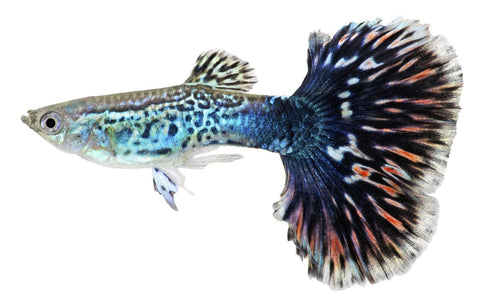
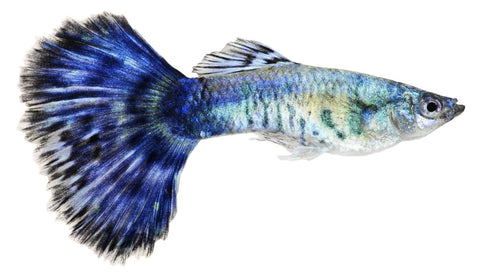
Blue Snakeskin Guppy (Pair)
$20.00

Every fish passes through our dedicated quarantine system and strict biosecurity monitoring before sale - so it arrives healthy, settled and ready to thrive. How we quarantine →
| Tasmania | NO |
| Western Australia | NO |
| Northern Territory | NO |
| All Other States | YES |
The Parva Rainbowfish (Melanotaenia parva), also known as the Dwarf Neon Rainbowfish, is a vibrant freshwater species prized for its brilliant orange-red body and shimmering blue highlights. Endemic to Lake Kurumoi in West Papua, Indonesia, this rare rainbowfish is highly sought after by aquarists looking to add colour, movement and personality to a peaceful community aquarium.
Parva Rainbowfish are active schooling fish that display their best colours when kept in groups of six or more. Males become especially vibrant during displays and breeding, creating an eye-catching spectacle in well-planted aquariums. Their peaceful temperament makes them ideal companions for other non-aggressive species such as tetras, rasboras, Corydoras, dwarf gouramis and other small rainbowfish.
A densely planted aquarium with open swimming space, good filtration and regular water changes will keep this species thriving. They readily accept quality flakes, micro pellets, frozen foods and live foods, with a varied diet helping to maximise their colouration.
Hardy, colourful and full of energy, the Parva Rainbowfish is an excellent choice for aquarists wanting a unique schooling fish that stands out in planted and community aquariums.
Melanotaenia parva
Parva Rainbowfish
Lake Kurumoi, West Papua, Indonesia
6–8 cm
Peaceful
Omnivore
90 Litres
24–28°C
6.5–8.0
5–20 dGH
Easy
5–8 Years
Planted aquariums, peaceful community aquariums and species aquariums
Yes. They are hardy, adaptable and relatively easy to care for, making them an excellent choice for beginner and experienced aquarists alike.
They should be kept in schools of at least six individuals. Larger groups encourage natural behaviour, reduce stress and result in more vibrant colour displays.
They are omnivores and thrive on a varied diet of quality flakes, micro pellets, frozen foods such as brine shrimp and bloodworms, along with occasional live foods.
Absolutely. Their peaceful nature makes them excellent companions for tetras, rasboras, Corydoras, peaceful gouramis and other similarly sized community fish.
Yes. They thrive in planted aquariums that provide open swimming areas alongside dense vegetation, which enhances their colouration and provides security.
Yes. In a mature aquarium with excellent water quality, they readily scatter adhesive eggs among fine-leaved plants or spawning mops. The adults should be separated from the eggs to prevent predation.
Parva Rainbowfish are schooling fish and should be kept in groups of at least six. Small groups can lead to stress and subdued colours.
Although active swimmers, they require open swimming space. Avoid overcrowding the aquarium with too many fish or decorations.
A varied diet including frozen and live foods helps maintain vibrant colours, strong health and breeding condition.
Regular water changes and stable water parameters are essential to keep these active fish healthy and displaying their best colours.
Avoid housing them with aggressive or fin-nipping species, as this can cause stress and prevent natural schooling behaviour.
While they appreciate open swimming space, live plants help replicate their natural habitat and provide areas for spawning and shelter.
Livestock is dispatched with heat/cool packs and oxygen from our Melbourne facility, timed for the safest transit. Live arrivals may be scheduled for the best shipping window. A live arrival guarantee applies - contact us within the required window if anything is not right.
We stand behind everything we sell. If something is not right, get in touch and we will make it right. See our returns policy for the details.
This fish has been through our dedicated quarantine system and is feeding, settled and health-checked before sale. We still recommend acclimating slowly and quarantining new additions at home. Our team is happy to talk you through the right setup - just ask.
Choose gender