Sold out
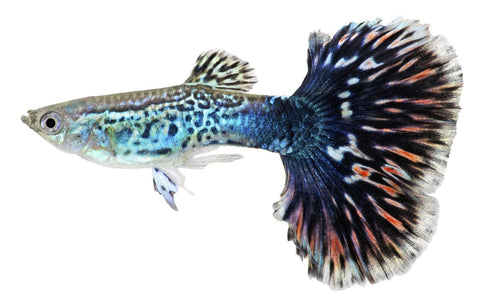
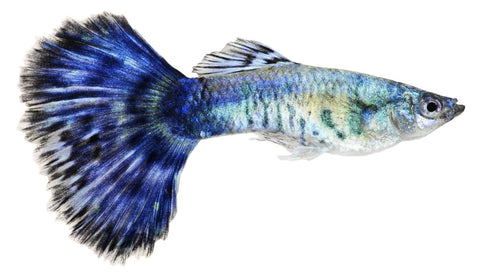
Blue Snakeskin Guppy (Pair)
$20.00

Every fish passes through our dedicated quarantine system and strict biosecurity monitoring before sale - so it arrives healthy, settled and ready to thrive. How we quarantine →
| Tasmania | NO |
| Western Australia | NO |
| Northern Territory | NO |
| All Other States | YES |
The Red Platy is a colourful, peaceful freshwater livebearer known for its vibrant red body, active personality and easy-care nature. It is an excellent choice for beginner aquarists and community aquariums.
Red Platies are active swimmers that spend most of their time in the middle and upper areas of the aquarium. They are highly adaptable and thrive in planted community tanks with open swimming space and gentle filtration.
This species is generally peaceful and can be kept with other suitable community fish, including tetras, rasboras, peaceful barbs, Corydoras and other livebearers. Platies are social fish and are best kept in small groups.
Like other livebearers, Red Platies give birth to free-swimming young rather than laying eggs. They breed readily when males and females are kept together, so population growth should be considered when planning an aquarium.
Scientific Name: Xiphophorus maculatus
Common Name: Red Platy
Family: Poeciliidae
Type: Freshwater livebearer
Adult Size: Approximately 5–7 cm
Temperament: Peaceful
Care Level: Easy
Minimum Aquarium: 60 litres
Temperature: 22–28°C
pH: 7.0–8.2
Water Hardness: Moderate to hard
Diet: Omnivore; quality flakes, pellets, algae-based foods and occasional frozen foods
Tank Level: Middle and upper levels
Group Size: 4 or more
Breeding: Livebearer; gives birth to free-swimming fry
Suitable For: Peaceful community aquariums
Planted Aquarium Suitable: Yes
Yes. They are hardy, adaptable and easy to feed, making them an excellent beginner fish.
A group of four or more is recommended. When keeping males and females together, aim for more females than males to reduce harassment.
Yes. They can be kept with peaceful fish that enjoy similar water conditions, such as Corydoras, tetras, rasboras and other livebearers.
Yes. Females can produce fry regularly when kept with males. Dense plants and floating plants can provide cover for young fish.
Offer a varied diet of quality flakes or small pellets, supplemented with algae-based foods and occasional frozen or live foods.
They generally perform best in neutral to slightly alkaline water with moderate to high mineral content.
Keeping too many males with too few females.
Housing them in very soft or acidic water.
Overfeeding and allowing excess waste to build up.
Keeping them with aggressive or fin-nipping tankmates.
Failing to plan for frequent breeding.
Adding them to an uncycled aquarium.
Livestock is dispatched with heat/cool packs and oxygen from our Melbourne facility, timed for the safest transit. Live arrivals may be scheduled for the best shipping window. A live arrival guarantee applies - contact us within the required window if anything is not right.
We stand behind everything we sell. If something is not right, get in touch and we will make it right. See our returns policy for the details.
This fish has been through our dedicated quarantine system and is feeding, settled and health-checked before sale. We still recommend acclimating slowly and quarantining new additions at home. Our team is happy to talk you through the right setup - just ask.
Choose gender