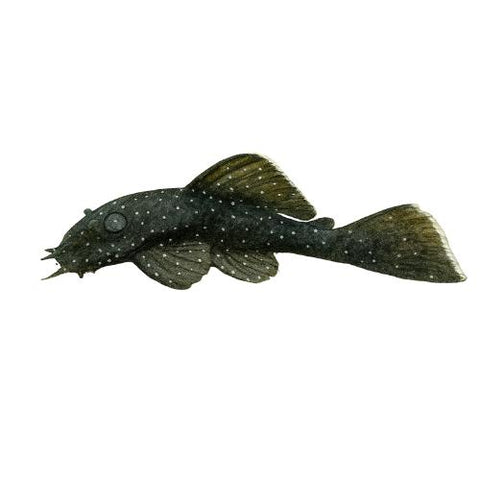
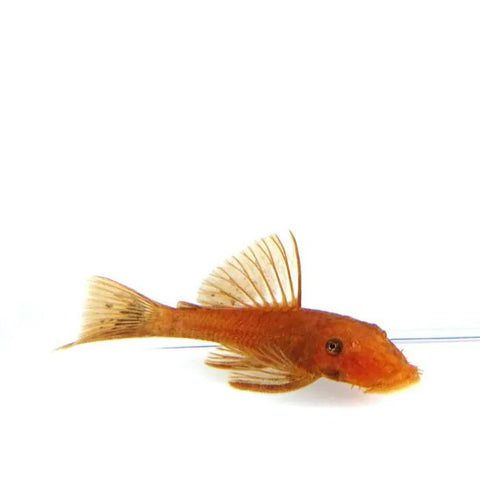
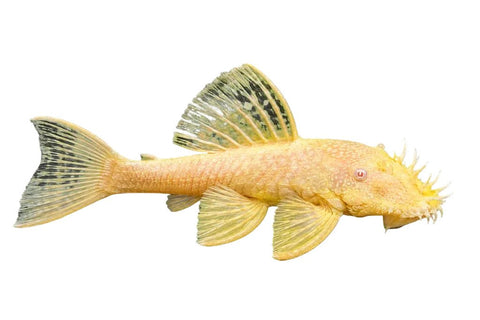
Bristlenose Catfish
From $10.00
Choose size

Every fish passes through our dedicated quarantine system and strict biosecurity monitoring before sale - so it arrives healthy, settled and ready to thrive. How we quarantine →
| Tasmania | NO |
| Western Australia | NO |
| Northern Territory | NO |
| All Other States | YES |
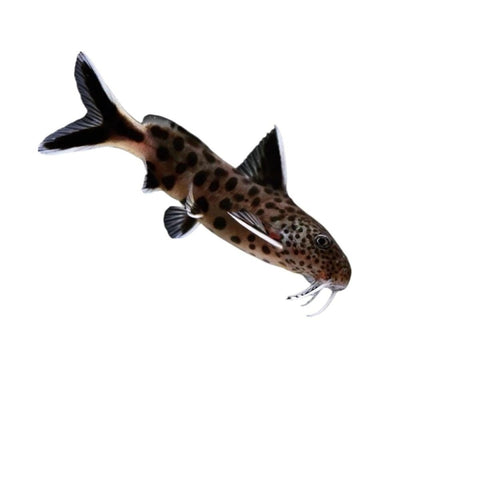
The Royal Whiptail Catfish is an unusual South American freshwater catfish known for its extremely slender body, elongated snout and long, whip-like tail. Its subtle brown and tan markings provide excellent camouflage among submerged wood, rocks and leaf litter, making it a fascinating addition to a peaceful community aquarium.
Royal Whiptail Catfish are generally shy and spend much of their time resting on driftwood, rocks and other surfaces. They use their specialised mouth to graze biofilm and algae, while also feeding on suitable sinking foods. An established aquarium with mature surfaces and plenty of hiding places helps them settle and feed confidently.
They prefer clean, well-oxygenated water with gentle to moderate current. Driftwood, smooth rocks and broad surfaces are particularly useful, while a soft substrate and peaceful tank mates help reduce stress. Avoid housing them with aggressive fish or boisterous species that monopolise food.
Scientific Name: Sturisomatichthys sp. — exact species may vary
Common Name: Royal Whiptail Catfish / Royal Twig Catfish
Family: Loricariidae
Type: Freshwater Fish
Adult Size: Approximately 20–26 cm, depending on species
Temperament: Peaceful
Care Level: Moderate
Minimum Aquarium: 250 L+ with a long footprint
Temperature: 24–28°C
pH: 6.5–7.5
Water Hardness: Soft to moderately hard
Diet: Omnivore, with a strong emphasis on biofilm and plant matter
Food: Algae wafers, spirulina-based foods, blanched vegetables and suitable frozen foods
Tank Level: Bottom and hard surfaces
Group Size: Can be kept singly or in compatible groups with enough space
Substrate: Fine sand or smooth gravel
Suitable For: Peaceful, established community aquariums
Aquascape: Driftwood, smooth rocks and broad, flat grazing surfaces
Water Quality: Clean, well-filtered and highly oxygenated
Royal Whiptail is a trade name used for several related species, so adult size and exact care requirements can differ.
Some species reach around 20–26 cm, including their elongated tail. They need a spacious aquarium with plenty of horizontal swimming room.
It grazes biofilm and algae from surfaces. Supplement with algae wafers, spirulina foods, blanched vegetables and occasional suitable frozen foods. Do not rely on naturally occurring algae alone.
Yes. It is generally peaceful and suitable for community aquariums with calm, compatible fish.
Driftwood provides resting places and surfaces for biofilm growth. Smooth rocks and flat surfaces are also important for grazing.
It can share an aquarium with peaceful catfish, provided there is enough space and food. Avoid overcrowding the bottom of the tank.
It is better suited to aquarists who can maintain excellent water quality and provide a varied diet. Its size and specific grazing needs require planning.
Keeping it in a tank that is too short for its adult size.
Assuming it can live on algae alone.
Providing insufficient oxygenation or water movement.
Neglecting flat surfaces for grazing.
Keeping it with aggressive fish that compete for food.
Allowing nitrate and organic waste to accumulate.
Livestock is dispatched with heat/cool packs and oxygen from our Melbourne facility, timed for the safest transit. Live arrivals may be scheduled for the best shipping window. A live arrival guarantee applies - contact us within the required window if anything is not right.
We stand behind everything we sell. If something is not right, get in touch and we will make it right. See our returns policy for the details.
This fish has been through our dedicated quarantine system and is feeding, settled and health-checked before sale. We still recommend acclimating slowly and quarantining new additions at home. Our team is happy to talk you through the right setup - just ask.
Choose size
Choose size