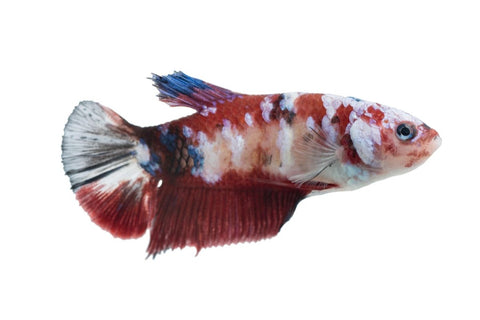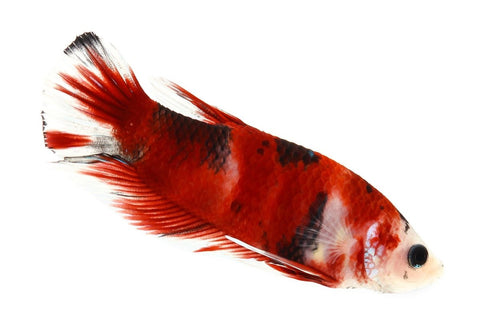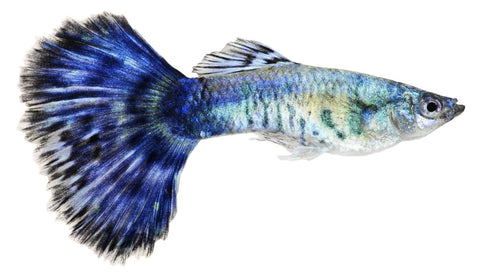
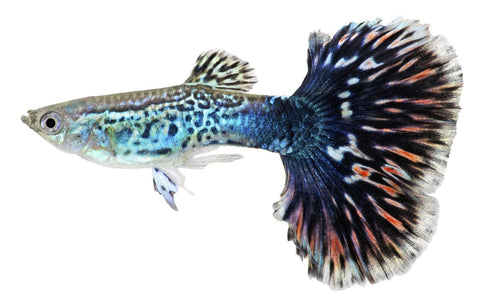
Assorted Guppy
From $7.00
Choose gender

Every fish passes through our dedicated quarantine system and strict biosecurity monitoring before sale - so it arrives healthy, settled and ready to thrive. How we quarantine →
| Tasmania | NO |
| Western Australia | NO |
| Northern Territory | NO |
| All Other States | YES |
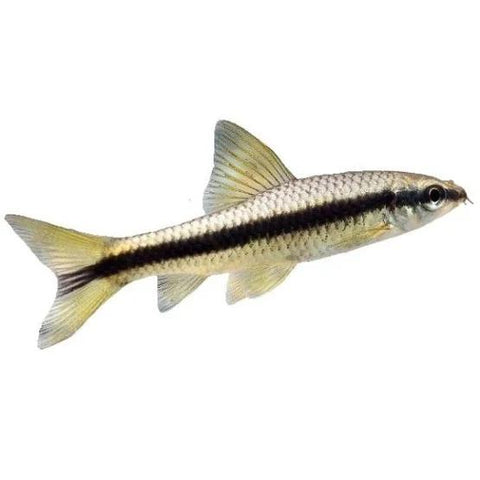
The Sailfin Glass Perch, also known as the Sailfin Glassfish, is a fascinating Australian native fish prized for its translucent body, silvery sheen and distinctive tall dorsal fin. Its subtle yellowish colouring and delicate, net-like scale pattern create an understated appearance that stands out in a natural freshwater aquarium.
Native to northern Australia and parts of New Guinea, this active fish is an interesting choice for aquarists looking to keep less-common freshwater species. Sailfin Glass Perch are generally peaceful with suitable tank mates, although they may compete with one another for food or display aggression if kept in unsuitable groups or cramped conditions.
Provide plenty of open swimming space alongside aquatic plants, driftwood and sheltered areas. Good filtration, stable water quality and regular maintenance are important for keeping these fish healthy.
Sailfin Glass Perch are naturally predatory and often prefer live or frozen foods, including brine shrimp, daphnia and bloodworms. Some individuals may accept prepared foods after acclimating, but a varied diet of appropriately sized food is recommended. Avoid housing them with tiny fish or shrimp that may be small enough to eat.
Scientific Name: Ambassis agrammus
Common Names: Sailfin Glass Perch, Sailfin Glassfish
Origin: Northern Australia and New Guinea
Care Level: Moderate
Adult Size: Approximately 6–7 cm
Temperature: 22–27°C
pH: Approximately 6.5–7.5
Diet: Carnivore
Temperament: Generally peaceful; may be competitive with its own kind
Swimming Level: Middle to upper levels
Aquarium Type: Freshwater; can also tolerate low-brackish conditions
Lifespan: Depends on care and aquarium conditions
Care requirements can vary with the population and the conditions in which the fish have been raised.
Yes. They can be kept in freshwater and are also capable of tolerating low-brackish conditions. Confirm the requirements of your particular stock before changing salinity.
They prefer small animal-based foods, such as frozen or live brine shrimp, daphnia and bloodworms. Some may learn to accept suitable prepared foods.
Yes, with similarly sized, peaceful fish that share their water requirements. Avoid very small fish and shrimp that could be eaten.
They typically reach around 6–7 cm, making them a manageable size for a suitably planned aquarium.
Plants are beneficial because they provide shelter and environmental enrichment. Leave enough open water for swimming.
They are better suited to aquarists comfortable with maintaining stable water quality and providing a varied diet, particularly if the fish initially refuse prepared foods.
Keeping them with fish small enough to be eaten.
Offering only standard flakes when they are not accepting them.
Allowing water quality to deteriorate.
Keeping them in cramped aquariums without swimming space.
Ignoring competition or aggression between individuals.
Changing salinity abruptly when moving between freshwater and brackish conditions.
Livestock is dispatched with heat/cool packs and oxygen from our Melbourne facility, timed for the safest transit. Live arrivals may be scheduled for the best shipping window. A live arrival guarantee applies - contact us within the required window if anything is not right.
We stand behind everything we sell. If something is not right, get in touch and we will make it right. See our returns policy for the details.
This fish has been through our dedicated quarantine system and is feeding, settled and health-checked before sale. We still recommend acclimating slowly and quarantining new additions at home. Our team is happy to talk you through the right setup - just ask.
Choose gender
Choose size