Sale
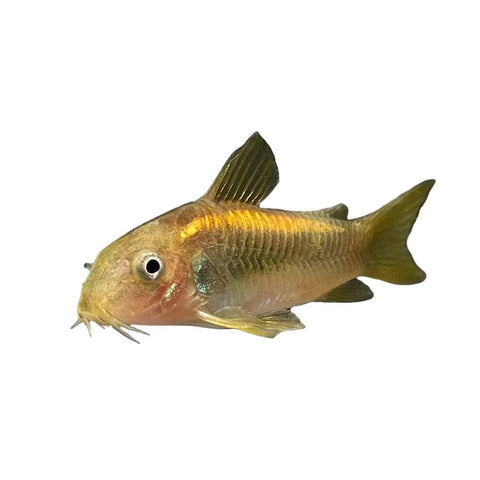
Pygmy Corydora
$10.50
$15.00

Every fish passes through our dedicated quarantine system and strict biosecurity monitoring before sale - so it arrives healthy, settled and ready to thrive. How we quarantine →
| Tasmania | NO |
| Western Australia | NO |
| Northern Territory | NO |
| All Other States | YES |
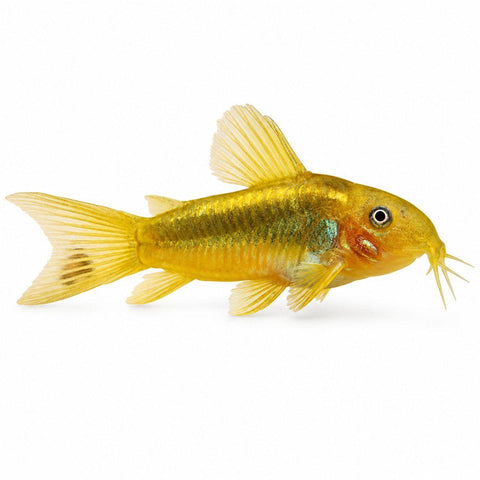
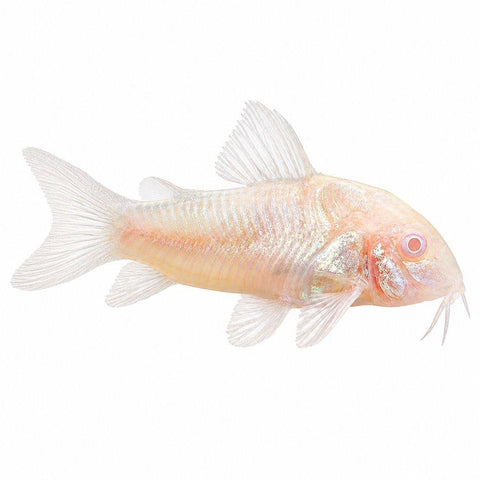
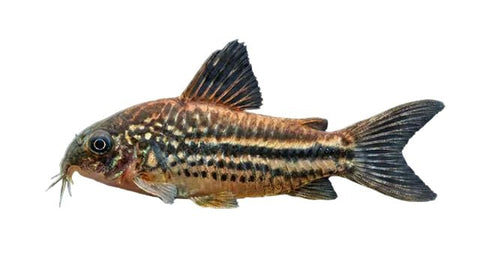
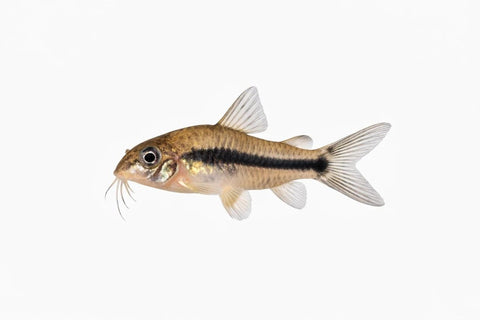
Adolfo’s Corydoras (Hoplisoma adolfoi), traditionally known as Corydoras adolfoi, is a beautiful and highly sought-after freshwater catfish recognised for its striking colour pattern. It has a pale cream to silvery-white body, a distinctive black stripe running along its back, a dark marking across the eyes and a vibrant orange patch behind the head.
Native to the upper Rio Negro basin in Brazil, this species inhabits soft, acidic blackwater streams and forest tributaries. These natural environments are typically shaded, with fine sand, submerged wood, leaf litter and tannin-stained water.
Adolfo’s Corydoras is a peaceful, social bottom-dwelling fish that should be kept in groups of at least six, with larger groups of eight or more preferred. Watching a group forage together across the aquarium floor makes them an excellent feature in natural-style and planted freshwater aquariums.
They are best suited to aquariums with soft, slightly acidic water, gentle water movement and excellent water quality. Fine sand is particularly important because Corydoras use their sensitive barbels to search through the substrate for food. Avoid sharp gravel or coarse substrates that can damage their barbels.
Adolfo’s Corydoras are omnivorous bottom feeders and should receive dedicated sinking foods rather than relying on leftover food from other fish. Quality sinking pellets, catfish wafers, frozen bloodworms, brine shrimp and other small protein-rich foods help maintain their condition.
They are compatible with peaceful community fish such as small tetras, rasboras, pencilfish and other calm South American species. Avoid aggressive or predatory tankmates that may outcompete or harass them.
With suitable water conditions, a proper group and a soft sandy substrate, Adolfo’s Corydoras is a rewarding addition for aquarists looking to create a beautiful South American community aquarium.
|
Care Information |
Details |
|---|---|
|
Scientific Name |
Hoplisoma adolfoi (formerly Corydoras adolfoi) |
|
Family |
Callichthyidae |
|
Origin |
Upper Rio Negro basin, Brazil |
|
Care Level |
Moderate |
|
Maximum Size |
Approximately 5–6 cm |
|
Minimum Aquarium |
80 litres recommended |
|
Temperature |
22–26°C |
|
pH |
5.0–7.0 |
|
Water Hardness |
Soft water, approximately 1–10 dGH |
|
Salinity |
Freshwater |
|
Diet |
Omnivore |
|
Temperament |
Peaceful |
|
Swimming Level |
Bottom |
|
Reef Compatible |
Not applicable – freshwater species |
|
Plant Compatible |
Yes |
|
Aquarium Type |
Planted and South American community aquariums |
|
Special Requirements |
Keep in groups of 6+, fine sand substrate and stable soft water |
1. How many Adolfo’s Corydoras should I keep together?
They are social schooling fish and should be kept in groups of at least six. Groups of eight or more are even better and encourage more confident natural behaviour.
2. How big do Adolfo’s Corydoras grow?
They typically reach approximately 5–6 cm in length as adults.
3. Are Adolfo’s Corydoras peaceful?
Yes. They are very peaceful bottom-dwelling fish and are suitable for community aquariums with other non-aggressive species.
4. What do Adolfo’s Corydoras eat?
They enjoy sinking pellets, catfish wafers, frozen bloodworms, brine shrimp and other small frozen or live foods. A varied diet is important for their health.
5. Do Adolfo’s Corydoras need sand?
Yes. Fine, smooth sand is strongly recommended because they naturally sift through the substrate using their sensitive barbels to find food. Sharp or rough gravel can cause injury.
6. Can Adolfo’s Corydoras live in a planted aquarium?
Absolutely. They are plant-safe and look particularly attractive in planted aquariums with driftwood, leaf litter and open sandy areas for foraging.
Keeping them in small groups: Adolfo’s Corydoras are social fish and can become stressed when kept alone or in insufficient numbers.
Using sharp gravel: Rough substrate can damage their sensitive barbels. Always provide fine sand or smooth substrate.
Keeping them in hard alkaline water: They naturally come from very soft blackwater environments and are best maintained in soft, slightly acidic conditions.
Assuming they survive on leftover food: They need dedicated sinking foods to ensure they receive adequate nutrition.
Combining them with aggressive tankmates: Larger or aggressive fish can intimidate them and prevent normal feeding.
Neglecting aquarium maintenance: They require clean, well-filtered and well-oxygenated water. Poor water quality can quickly affect their health.
Livestock is dispatched with heat/cool packs and oxygen from our Melbourne facility, timed for the safest transit. Live arrivals may be scheduled for the best shipping window. A live arrival guarantee applies - contact us within the required window if anything is not right.
We stand behind everything we sell. If something is not right, get in touch and we will make it right. See our returns policy for the details.
This fish has been through our dedicated quarantine system and is feeding, settled and health-checked before sale. We still recommend acclimating slowly and quarantining new additions at home. Our team is happy to talk you through the right setup - just ask.