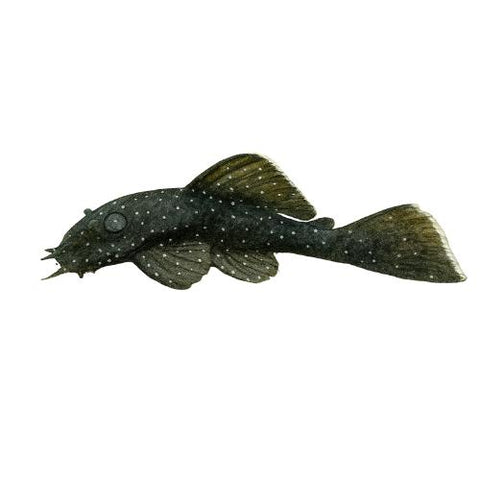
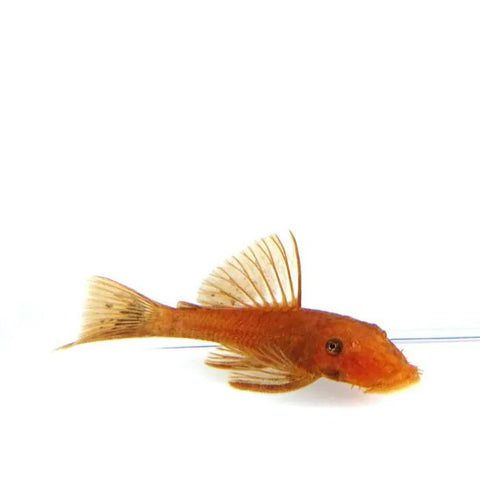
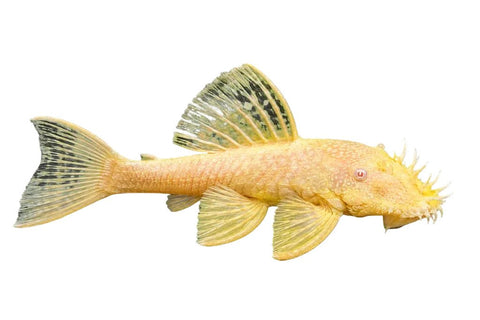
Bristlenose Catfish
From $10.00
Choose size

Every fish passes through our dedicated quarantine system and strict biosecurity monitoring before sale - so it arrives healthy, settled and ready to thrive. How we quarantine →
| Tasmania | NO |
| Western Australia | NO |
| Northern Territory | NO |
| All Other States | YES |
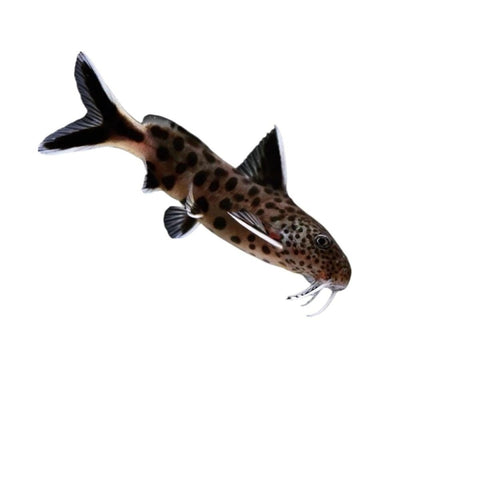
The Driftwood Catfish is a peaceful and intriguing freshwater species, well known for its secretive nature and preference for hiding amongst driftwood and submerged timber. Native to the rivers and tributaries of the Amazon Basin in South America, this attractive catfish displays a beautiful mottled brown and tan pattern that provides excellent camouflage in natural aquascapes.
Primarily nocturnal, Driftwood Catfish spend much of the day resting beneath driftwood, inside caves, or amongst dense vegetation before emerging at dusk to forage. Their calm temperament makes them an excellent addition to peaceful community aquariums with tetras, rasboras, Corydoras, dwarf cichlids, and other non-aggressive tropical fish.
A heavily aquascaped aquarium with driftwood, caves, leaf litter, and subdued lighting will encourage natural behaviour and help these catfish feel secure. They readily accept sinking pellets, frozen bloodworms, blackworms, brine shrimp, and other meaty foods, often feeding most actively after the aquarium lights have been turned off.
For aquarists looking for an unusual and rewarding bottom-dwelling species, the Driftwood Catfish is an excellent choice.
Tatia intermedia
Driftwood Catfish
Amazon Basin, South America
8–10 cm
Peaceful
Omnivore
80 Litres
24–28°C
6.0–7.5
2–12 dGH
Intermediate
5–8 Years
Peaceful community aquariums and planted tanks
Yes. They are peaceful and do well with other calm tropical fish of a similar size.
This species is naturally nocturnal and spends daylight hours resting amongst driftwood, caves, and dense vegetation before becoming active in the evening.
They enjoy quality sinking pellets, frozen bloodworms, blackworms, brine shrimp, insect larvae, and other protein-rich foods.
Large shrimp may coexist successfully, although very small shrimp and shrimplets may occasionally become prey.
Yes. Driftwood provides essential shelter, reduces stress, and closely replicates their natural habitat.
Driftwood, caves, and shaded areas are essential for helping these fish feel secure.
Driftwood Catfish are nocturnal and are naturally more active after dark.
They require a varied diet rich in protein to thrive.
Choose peaceful tank mates that won't outcompete or harass them.
Maintain stable water conditions with regular maintenance to ensure long-term health.
Livestock is dispatched with heat/cool packs and oxygen from our Melbourne facility, timed for the safest transit. Live arrivals may be scheduled for the best shipping window. A live arrival guarantee applies - contact us within the required window if anything is not right.
We stand behind everything we sell. If something is not right, get in touch and we will make it right. See our returns policy for the details.
This fish has been through our dedicated quarantine system and is feeding, settled and health-checked before sale. We still recommend acclimating slowly and quarantining new additions at home. Our team is happy to talk you through the right setup - just ask.
Choose size
Choose size